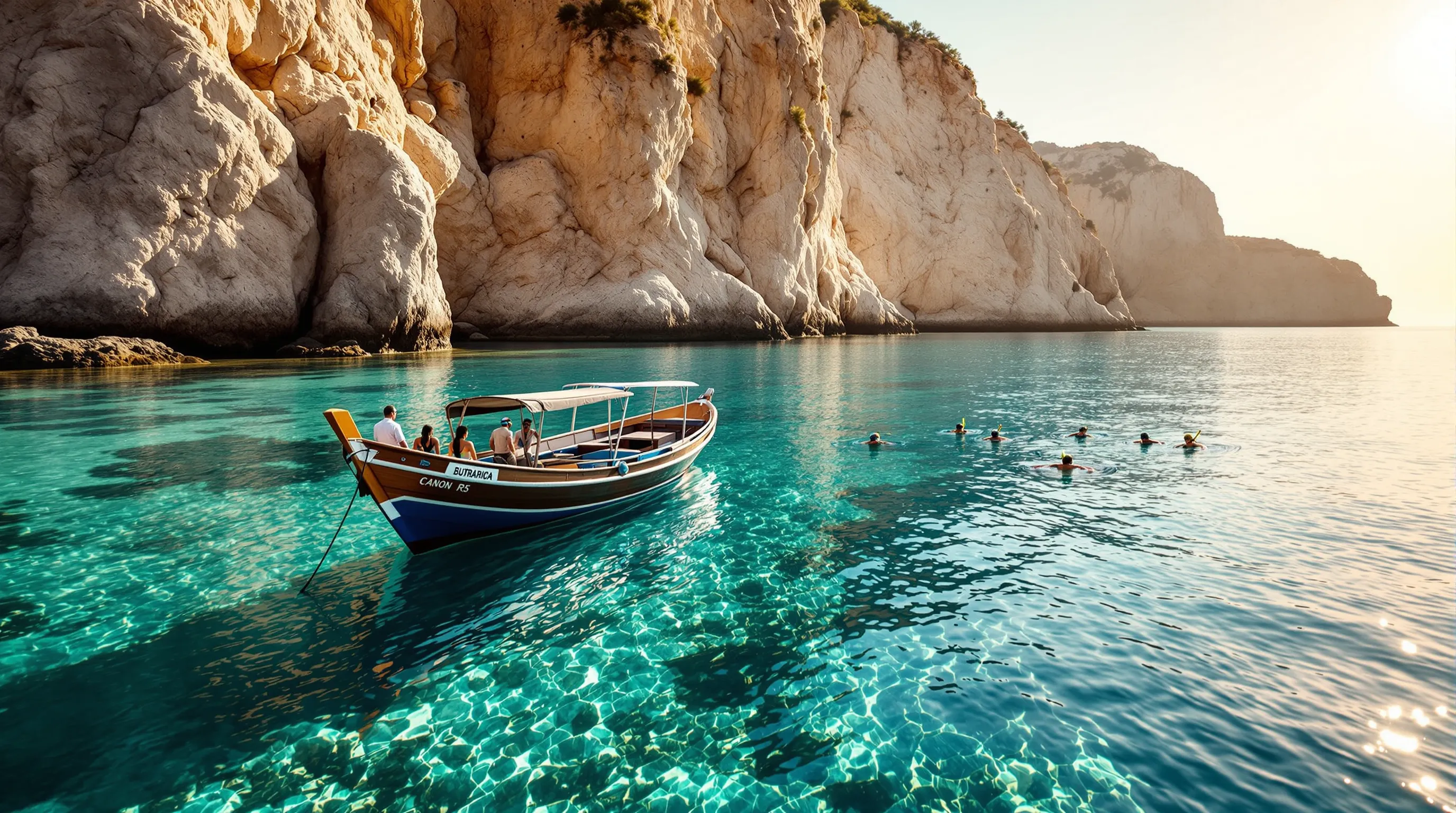
How These Travellers Are Transforming Their Mediterranean Holidays Into Ecological Missions
The Mediterranean welcomes over 350 million tourists annually, representing 30% of global tourism. This influx threatens an already fragile ecosystem: 85% of fish stocks are overexploited and 200,000 tonnes of plastic pollute its waters each year. Faced with these challenges, a new generation of travellers is revolutionising their approach to Mediterranean holidays. They're transforming their trips into genuine environmental protection missions, proving it's possible to discover the wonders of the Great Blue whilst contributing to its preservation.
Eco-diving: Exploring Without Destroying
Eco-diving represents a revolution in Mediterranean underwater exploration. This responsible practice prioritises respectful observation of marine biodiversity without disturbing ecosystems. Certified eco-responsible diving centres limit groups to 6 divers per guide, use permanent mooring buoys to avoid anchoring on reefs, and organise specific training on endemic species. In France, the 'Plongée Bleue' initiative has reduced damage to posidonia seagrass beds by 40% since 2020. Eco-responsible divers also participate in citizen science programmes, collecting data on marine fauna and flora for research organisations.
Sustainable Diving Centre Certification
Centres certified by Green Fins or PADI Green Star apply strict protocols: mandatory environmental briefings, eco-designed equipment, and partnerships with marine protected areas. These establishments achieve customer satisfaction rates 25% higher thanks to their quality educational services and authentic commitment to marine preservation.
Responsible Cetacean Watching in the Mediterranean
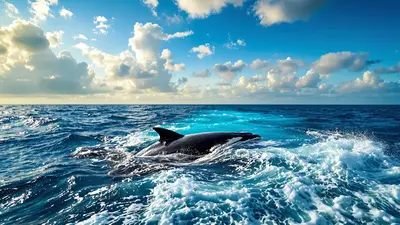
The Mediterranean is home to 21 cetacean species, including sperm whales and fin whales, the second largest animal on Earth. Responsible watching respects the Whale Watching charter: maintaining a minimum distance of 100 metres, reducing speed to 5 knots in presence zones, and limiting trips to 3 hours maximum. High Quality Whale Watching certified operators carry qualified naturalists and contribute financially to scientific research. The Pelagos Sanctuary, a Franco-Italian-Monégasque protected zone covering 87,500 km², records over 2,500 annual sightings thanks to these virtuous practices. The data collected feeds international scientific databases to better understand the migrations and behaviours of these ocean giants.
Sustainable Accommodation and Gentle Mobility
Eco-certified Mediterranean accommodation is revolutionising coastal hospitality through innovative practices. These establishments, bearing Green Key or EU Ecolabel certification, reduce water consumption by 30% through rainwater harvesting and greywater recycling systems. They prioritise renewable energy: solar panels, marine geothermal, and domestic wind turbines. Their restaurants champion short supply chains with 80% of products sourced locally within a 150km radius. For mobility, these accommodations offer electric bicycle rentals, electric shuttles to natural sites, and partnerships with regional public transport. In Catalonia, 'Paradores Sostenibles' have reduced their carbon footprint by 45% over five years whilst increasing occupancy rates.
Innovative Eco-Hotel Initiatives
Pioneer establishments install artificial reefs to restore marine biodiversity, organise awareness workshops for guests, and fund beach cleaning projects. These actions create enriching tourist experiences where holidaymakers become active participants in Mediterranean environmental protection.
Practical Tips for Your Responsible Stay
Planning a responsible Mediterranean stay requires targeted preparation to maximise positive impact. Choose May-June and September-October to avoid summer overcrowding and benefit from 30-40% reduced rates. Book directly with certified providers to guarantee environmental standards compliance. Average budget: £100-150/day for a couple in eco-certified accommodation with responsible activities included. Pack reef-safe sun products, a filtering water bottle, and choose biodegradable cosmetics. Take out travel insurance covering eco-responsible nautical activities. Download iNaturalist and Seek apps to identify local fauna and flora, contributing to citizen science. Prepare your trip by consulting marine protected area websites for specific regulations.
Frequently asked questions
What are the best periods for responsible Mediterranean tourism?
May-June and September-October offer ideal conditions: fewer crowds, advantageous rates, active marine fauna and pleasant temperatures. These periods reduce pressure on fragile ecosystems whilst guaranteeing an authentic experience with optimal underwater visibility of 20-30 metres.
How do I recognise a genuinely responsible marine tourism provider?
Check official certifications: Green Fins for diving, High Quality Whale Watching for cetacean observation, Blue Flag for marinas. Responsible providers limit group sizes, offer detailed environmental briefings, display their scientific partnerships and contribute financially to local marine research.
What budget should I plan for eco-responsible Mediterranean holidays?
Budget £100-150/day for a couple in eco-certified accommodation, including responsible activities and local dining. The 15-25% premium over conventional tourism is offset by service quality, privileged access to protected sites and expert guidance from qualified naturalist guides.
Responsible Mediterranean tourism transforms every holidaymaker into an ambassador for marine preservation. This revolutionary approach combines the pleasure of discovery with ecosystem protection, offering authentic and enriching experiences. Discover how to observe cetaceans ethically with specialist trips at dauphin-mediterranee.com, your partner for responsible and unforgettable maritime tourism.
Read also
These 20-metre giants hiding in our Mediterranean waters will amaze you
Discover the secrets of sperm whales in the Mediterranean: observation zones, fa...
What you didn't know about fin whales, the Mediterranean giants that captivate
Discover fin whales, the world's second-largest marine mammals, thriving in Medi...
Why Mediterranean Fishermen Jealously Guard These 7 Ancestral Recipes
Discover the culinary secrets of the Mediterranean coast: traditional fish recip...
7 Fascinating Things You Didn't Know About Long-finned Pilot Whales in the Mediterranean
Discover the secrets of long-finned pilot whales in the Mediterranean: behaviour...