Why Mediterranean Fishermen Jealously Guard These 7 Ancestral Recipes
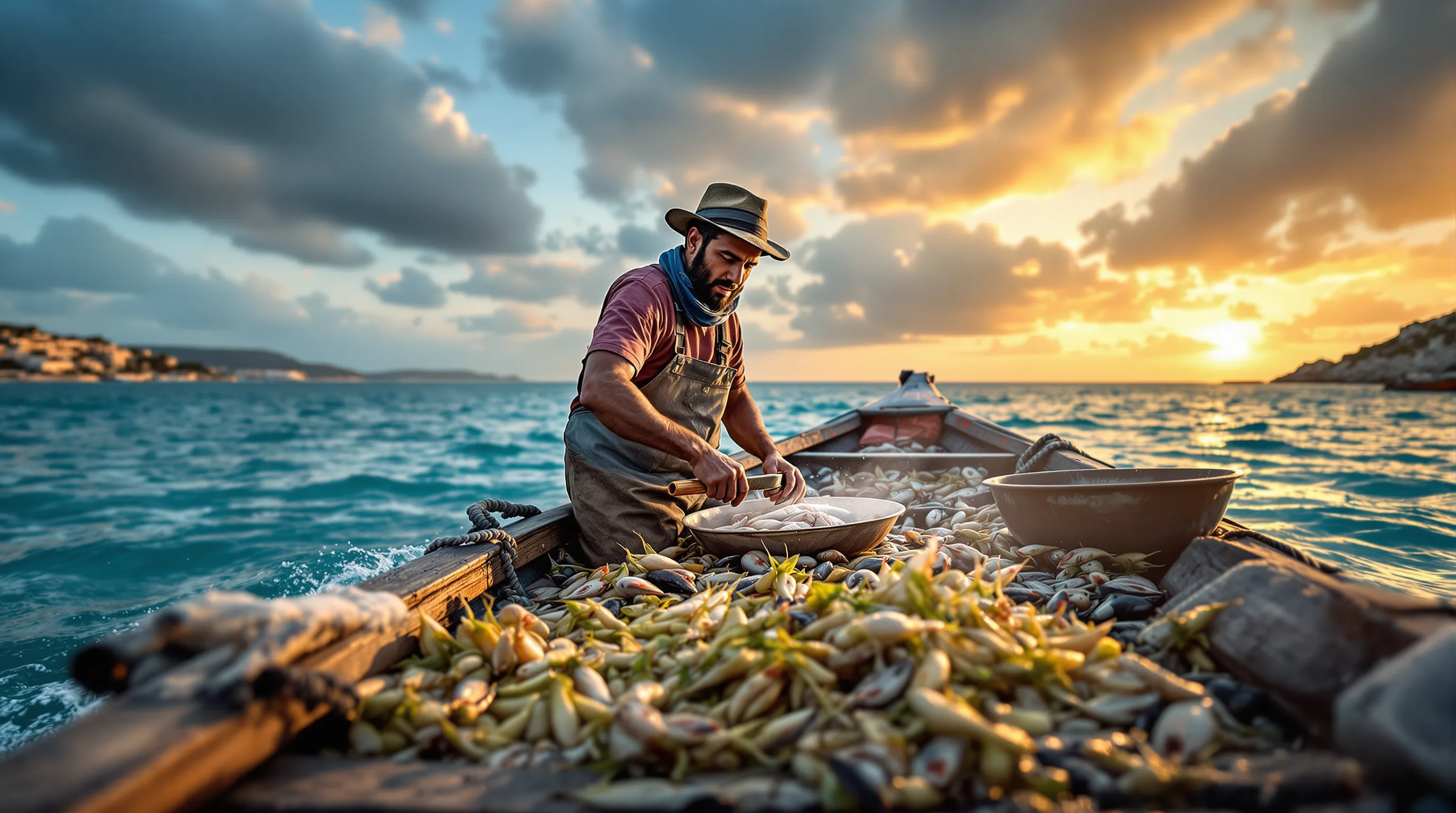
Mediterranean coastal gastronomy reveals culinary treasures passed down through generations. From the fishermen of Marseille to the mariners of Palermo, every Mediterranean port cultivates its own gastronomic secrets. Over 2,000 fish species populate this extraordinary sea, offering unparalleled culinary diversity. Ancient preservation techniques, the art of traditional filleting, and local spice combinations create unique flavours. This gastronomic wealth attracts 8 million food-loving tourists annually to Mediterranean shores, seeking culinary authenticity.
Noble Fish from Traditional Mediterranean Fishing
Mediterranean bluefin tuna, weighing up to 300kg, remains the king of traditional catches. Experienced fishermen recognise 15 distinct varieties of sea bream according to their coastal habitat. The lamparo fishing technique, practised since antiquity, allows sardines and anchovies to be caught without damage. Red mullet stands out for its delicate flesh, particularly prized in Michelin-starred restaurants. Seasonal fishing respects natural cycles: swordfish in summer, sea bass in autumn, John Dory in winter. These noble fish develop incomparable flavours thanks to posidonia seagrass meadows that naturally filter Mediterranean waters.
Ancient Preservation Techniques
Dry salt-curing preserves anchovies for at least 18 months. Fishermen use exclusively Camargue sea salt for its exceptional properties. Natural drying in the mistral wind transforms bottarga into prized Mediterranean caviar. These methods completely preserve the omega-3s and essential vitamins in fish.
Mediterranean Seafood: Diversity and Optimal Seasonality
Purple sea urchins are harvested exclusively from November to March, when their orange flesh reaches maximum richness. Bouzigues mussels benefit from unique terroir thanks to the currents of the Thau lagoon. Mediterranean flat oysters, rarer specimens, offer distinctive salinity of 38 grams per litre. The tellina, a small bivalve filtering 2 litres of water per hour, concentrates incomparable briny flavours. Mediterranean octopus, tenderised by traditional beating on rocks, develops exceptional tenderness. The violet season runs from December to April, coinciding with their reproduction. These shellfish contain three times more zinc than their Atlantic equivalents.
Coastal Culinary Specialities: Emblematic Recipes by Region
Authentic Marseille bouillabaisse requires a minimum of 7 fish according to the official charter established in 1980. Sète bourride is distinguished by its aioli liaison, creating perfect emulsion in 12 minutes of cooking. Catalan escabeche sardines marinate for 48 hours in local red wine vinegar. Traditional Nice pissaladière slowly cooks its onions for 3 hours to reveal their natural sugar. Catalan suquet de peix combines potatoes and local saffron in reduced broth. Collioure anchovies mature for 6 months in oak barrels to develop complex aromas. These recipes respect millennial proportions transmitted orally.
Authentic Mediterranean Spices and Aromatics
Quercy saffron delicately colours Mediterranean fish dishes. Lautrec pink garlic brings its characteristic sweetness to traditional aiolis. Wild Provençal herbs concentrate their essential oils thanks to the dry climate. These natural aromatics enhance without masking original marine flavours.
Practical Tips for Enjoying Coastal Gastronomy
The finest fishermen's restaurants open from 6am to serve fresh night catches. Budget £30-45 per person for an authentic meal in traditional ports. The gastronomic high season runs from May to October, with peak quality in September. Book at least 48 hours ahead at renowned establishments during Mediterranean summer. Fish markets close around 11am, so prioritise morning purchases. Sea urchin tastings cost £7-10 per dozen depending on the port. Traditional accompaniments include country bread and dry local white wine. Coastal gastronomic festivals concentrate between June and September, offering discoveries and attractive prices.
Frequently asked questions
What's the best season for enjoying Mediterranean seafood?
Autumn and winter offer the finest quality for shellfish. Sea urchins are best from November to March, mussels from October to April. This period corresponds to their optimal reproductive cycle, guaranteeing firm flesh and concentrated flavours.
How can you recognise a restaurant serving genuine Mediterranean coastal cuisine?
Choose establishments run by fishing families, displaying menus based on daily catches. Prices fluctuate with the catch, local produce dominates the menu, and the specials board changes daily according to what's landed.
What are the must-try dishes of Mediterranean coastal gastronomy?
Authentic Marseille bouillabaisse, Collioure anchovies, tuna bottarga, purple sea urchins, and Sète bourride represent coastal culinary excellence. Each speciality respects ancestral recipes transmitted orally between generations of fishermen.
Mediterranean coastal gastronomy reveals exceptional culinary heritage, the fruit of millennia of maritime traditions. These authentic flavours transform every meal into a unique sensory journey. To fully experience this gastronomic adventure, explore our discovery cruises at dauphin-mediterranee.com and savour these culinary treasures directly from our traditional ports of call.
Read also

7 Fascinating Things You Didn't Know About Long-finned Pilot Whales in the Mediterranean
Discover the secrets of long-finned pilot whales in the Mediterranean: behaviour...
These Mediterranean Wrecks Will Transform Your Scuba Diving Passion
Discover the legendary Mediterranean shipwrecks for scuba diving. Exceptional si...

Why Provençal Waters Transform Your Kayaking and Paddleboarding Experience
Discover why kayaking and paddleboarding along the Provençal coast offers unique...

What local guides reveal about kayaking in the Provençal Mediterranean
Discover the secrets of kayaking and paddleboarding along the Provençal coast: h...