Dolphins in the Mediterranean: What Marina, a Marine Biologist, Knows Before Heading Out to Sea
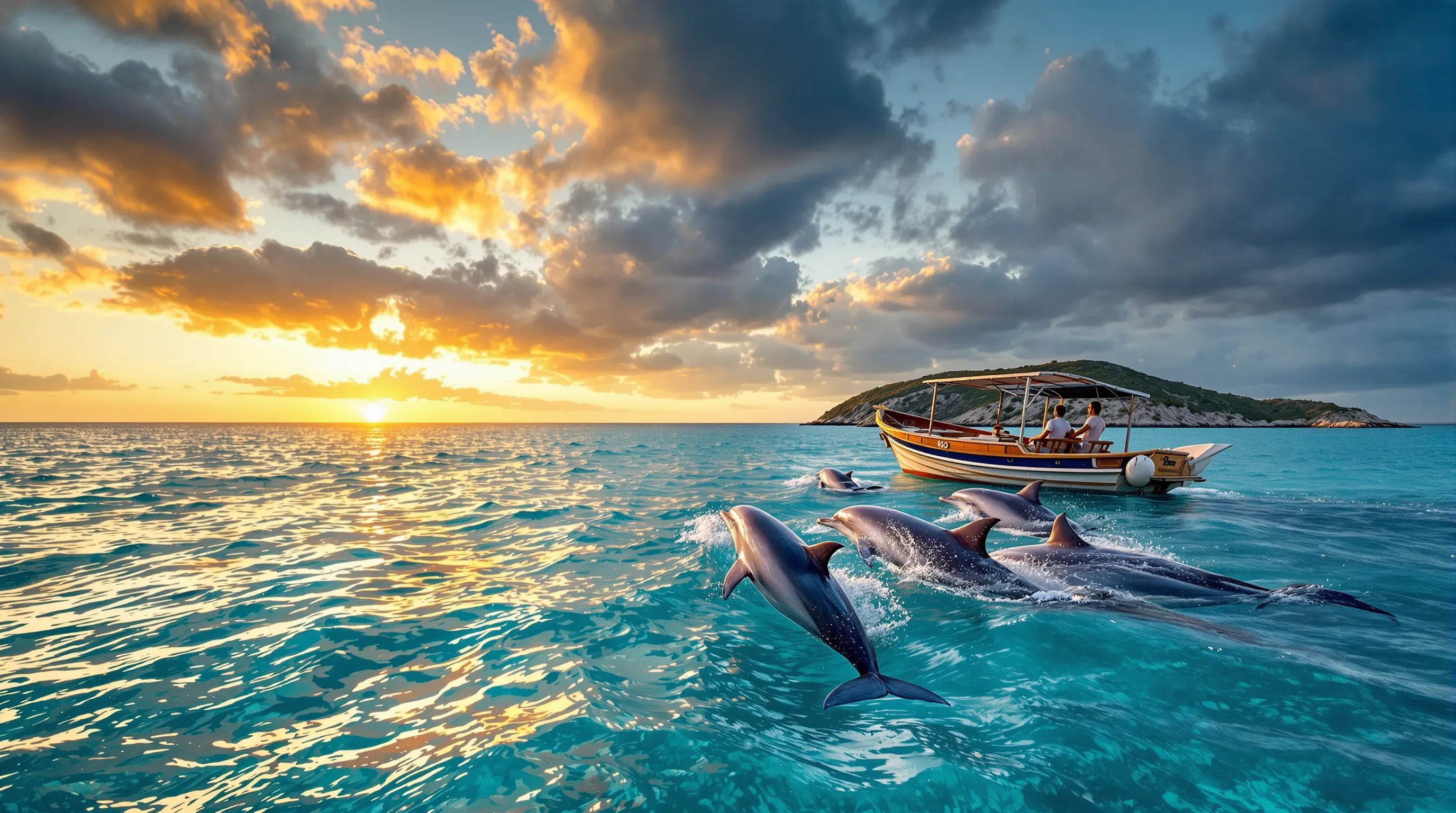
The first time I saw a pod of striped dolphins slicing through the bow wave of a boat off Port-Cros, I understood why this encounter moves visitors so deeply. In fifteen years spent studying cetaceans in the Pelagos Sanctuary, between Toulon, Nice and Corsica, I've watched observation tourism grow, sometimes clumsily, sometimes admirably. The Mediterranean is home to eight resident cetacean species, including the fin whale, the second-largest animal on Earth after the blue whale. Here's how to watch dolphins without disturbing them, where to really go, and the best time to plan your trip.
Which dolphin species live in the Mediterranean
The striped dolphin (Stenella coeruleoalba) is the most common species in the western Mediterranean, living in groups of 10 to several dozen individuals, sometimes over 100 in the waters of the Pelagos Sanctuary. The common bottlenose dolphin (Tursiops truncatus) prefers shallower coastal waters, around the Hyères Islands, the Gulf of Lion or the Sardinian coast, usually in smaller, more settled groups. Rarer still, Risso's dolphin, recognisable by its skin covered in white scars, is found along the continental shelf edge, particularly off Monaco and Liguria. The Pelagos Sanctuary, an 87,500 km² protected marine area shared between France, Monaco and Italy, boasts the greatest diversity of cetaceans in the western Mediterranean, including fin whales, sperm whales and pilot whales. These species don't migrate in the strict sense but follow the availability of their food, mainly shoals of pelagic fish and deep-water krill.
The striped dolphin, the most commonly spotted species
This is the most frequent companion on boat trips, recognisable by its grey coat streaked with dark blue along the flanks. Highly playful, it often approaches boats to surf the bow wave, a natural behaviour that shouldn't be actively encouraged. It's usually seen in lively groups, sometimes hunting at the surface with seabirds circling above. It's regularly spotted off the Provençal, Ligurian and Catalan coasts, typically in deeper waters rather than right along the shoreline.
Where to spot dolphins: the best Mediterranean hotspots
The Hyères roadstead and the islands of Porquerolles, Port-Cros and Le Levant form a prime area, with guided trips departing from La Londe-les-Maures or Hyères. The Pelagos Sanctuary can be reached from Nice, Antibes or Toulon, with crossings of several hours out to the deep waters where fin whales and striped dolphins roam. In Corsica, Calvi and Ajaccio offer direct access to biodiversity-rich waters, occasionally with sightings of bottlenose dolphins close to the rocky coastline. Further west, the Gulf of Lion, between Sète and Port-Vendres, is home to more coastal bottlenose dolphin populations, visible on shorter trips. In Italy, Liguria, around Genoa and Portofino, also forms part of the Pelagos Sanctuary and offers similar excursions. The Spanish coast around the Gulf of Roses and the Strait of Gibraltar, outside Pelagos but rich in cetaceans, round out the recognised watching areas of the western basin.
The Pelagos Sanctuary, the benchmark area
Established in 1999, this international sanctuary protects the waters between Provence, Corsica and Liguria. Its depth, underwater canyons and currents concentrate an abundant food supply that attracts eight cetacean species. Trips here are governed by codes of good practice, notably the High Quality Whale Watching label, which sets minimum approach distances and reduced speeds. Reaching the sanctuary usually takes anywhere from half a day to a full day at sea, departing from French or Italian ports that are part of the network.
When to go: seasons, weather and crowds
The ideal period runs from May to September, when the sea is calmer and surface waters warm up, concentrating cetacean feeding activity nearer the surface. June and July often offer the best balance between stable weather and good sighting odds, just before the peak summer crowds hit the Provençal and Corsican coasts in August. The mistral wind and spells of strong wind can cancel trips in Provence and the Gulf of Lion, particularly in spring; it's worth building in a few days' buffer if spotting dolphins is the main goal of your trip. In the western Mediterranean, waters are generally rougher from October to April, making sightings harder, although cetaceans remain present year-round, including some fin whales spotted in winter off Liguria. Tourist numbers peak in July and August at the best-known spots like Porquerolles or Calvi; booking several weeks ahead becomes essential. May, June and September often allow for trips in smaller groups, which are gentler on the animals and more comfortable for watching.
How to plan it: duration, fitness level and kit
A watching trip typically lasts between 3 and 8 hours depending on the distance to the areas frequented by cetaceans, with trips out to the Pelagos Sanctuary taking longer than those in nearby coastal waters. No particular fitness level is required for a standard boat trip, but anyone prone to seasickness should take preventative measures, as the swell can be significant offshore. Pack warm clothing even in summer, as the wind at sea can feel surprisingly chilly, along with sun protection, binoculars and a camera with a zoom lens, since encounters often happen at a respectful regulatory distance. Paddleboard or kayak trips, rarer and limited to specific coastal areas such as certain spots around the Hyères Islands, require genuine physical stamina and specialist guiding. Choosing an accredited operator makes all the difference: companies affiliated with the High Quality Whale Watching network train their crews in species biology and apply strict approach protocols, which, somewhat paradoxically, boosts the chances of a quality sighting while reducing disturbance.
Choosing the right boat trip
Go for smaller, shallow-draught boats, which are quieter than large catamarans, and ask whether a naturalist will be on board to explain the behaviours you're seeing. Participatory scientific trips, run by certain associations in partnership with research institutes, let you contribute to photo-identification monitoring programmes while watching the animals in a rigorous, respectful and educational setting.
Practical tips and responsible tourism
The cost of a trip varies considerably depending on duration, boat size and whether scientific guidance is included: shorter trips in small groups generally cost less than long expeditions offshore with an onboard naturalist. Always book ahead in high season, directly with operators displaying the High Quality Whale Watching label or a Pelagos charter, which guarantees guiding that respects ACCOBAMS regulations on approaching cetaceans. These regulations set a minimum distance of 100 metres, require reduced speed on approach, ban feeding or swimming with the animals, and limit the time spent with any one group. No serious operator can guarantee a 100% sighting rate, as nature remains unpredictable; be wary of anyone who promises otherwise. Once out on the water, avoid excessive noise, never throw anything overboard, and report any sightings to local stranding or monitoring networks if you get the chance. Choosing local operators, often small family-run businesses involved in conserving the Pelagos Sanctuary, also helps support a more sustainable and ethical tourism economy for these cetacean populations, which already face pressure from shipping traffic and underwater noise pollution.
Frequently asked questions
Can you see dolphins from the beach in the Mediterranean
It's possible but rare and unpredictable, as dolphins mostly stick to deeper offshore waters. Some coastal bottlenose dolphins occasionally venture into calm bays, particularly in Corsica or the Gulf of Lion, early in the morning. For a reliable sighting, a guided boat trip remains the best option, with naturalists who know the areas where dolphins are regularly present.
What's the best time of year to spot dolphins in the Mediterranean
From May to September, with peak conditions in June and July, when the sea is calm and cetacean feeding activity is concentrated near the surface. Cetaceans are present all year round, but sightings become harder in autumn and winter due to more frequent swell and fewer trips running.
Is it ethical to go on a dolphin-watching trip
Yes, provided you choose an operator accredited with the High Quality Whale Watching label, respecting ACCOBAMS distances and never encouraging feeding or direct contact. This kind of guided tourism often helps fund research and awareness programmes that are essential to protecting the Pelagos Sanctuary and its cetacean populations.
How long does a dolphin-watching trip last
Generally between 3 and 8 hours depending on the distance to the areas frequented by dolphins, with coastal trips being shorter than those heading out to the Pelagos Sanctuary. Build in some extra time in case of weather-related cancellations, which are common in the western Mediterranean during spring.
Do you need to book well in advance to see dolphins
Yes, especially in July and August at the most popular spots like Porquerolles, Calvi or the Bay of Nice, where places can sell out weeks in advance. Outside the summer season, booking a few days ahead is usually enough, though it's worth staying flexible to work around the weather.
Watching dolphins in the Mediterranean remains a rare and precious experience, provided it's done with respect for wildlife: the right operator, the right season, the right distance. Between the Pelagos Sanctuary, the Hyères Islands and the Corsican coastline, every encounter is unique and never guaranteed, which is exactly what makes it so special. To plan your trip, choose a spot suited to your level, and keep up with the latest on Mediterranean cetacean populations, you'll find all our guides and expert advice at dauphin-mediterranee.com.
Read also
Fin Whales in the Mediterranean: 7 Secrets of the Giant Few Know
Fin whales in the Mediterranean: where to spot them, when to go and how to watch...
Pelagos Sanctuary: 7 Secrets About the Mediterranean Whale Refuge
Discover the Pelagos Sanctuary, a vast protected area dedicated to cetaceans in ...

Microplastics in the Mediterranean: What's Hiding in Our Turquoise Waters
Microplastics in the Mediterranean: where they accumulate, their impact on dolph...
Fin Whales in the Mediterranean: 7 Truths About This Giant That Fascinates Scientists
Discover the fin whale in the Mediterranean: the Pelagos Sanctuary, best times t...