
Sète and the Thau lagoon: the secrets of a territory between sea and lagoon waiting to be discovered
The first time I saw the Thau lagoon from Mont Saint-Clair, I understood why the people of Sète call their town the singular island. On one side, the Mediterranean and its wind-battered Corniche coves; on the other, 7,500 hectares of calm water dotted with nearly 3,000 oyster tables. This stark contrast between swell and lagoon makes the Thau basin a truly unique site on the French Mediterranean coast, where you can dive into the waves in the morning and savour oysters born just a few hundred metres away by afternoon. A human-scale territory, still largely untouched by mass tourism.
A territory shaped by two seas
Sète was built on a narrow sandbar, wedged between the Mediterranean and the Étang de Thau, the largest lagoon in Languedoc. This unusual geography dates back to the seventeenth century, when Colbert decided to create an artificial port on Mont Saint-Clair to open up Languedoc to trade. Ever since, the town has lived off this dual identity: the bustling quays of the Canal Royal on the sea side, and the shellfish farms on the lagoon side. The Thau basin stretches roughly 20 kilometres in length, spanning Sète, Marseillan, Mèze, Bouzigues and Balaruc-les-Bains. Its shallow depth, rarely more than ten metres, and nutrient-rich waters have made it an exceptional oyster-farming site since the 1970s. Oysters and mussels are grown on suspended tables here, a technique quite different from the flat-bed farming practised at Marennes-Oléron in France's Atlantic region. The basin is also home to a discreet but genuine biodiversity: seahorses, cuttlefish, and abundant birdlife including flamingos, egrets and terns, best spotted around the reed beds of Mèze and the protected areas of the Bagnas nature reserve, just west of Sète.
The Sète Corniche, facing the open Mediterranean
On the open sea side, the Corniche unfurls its beaches between Sète and Cap d'Agde: Plage de la Corniche, Plage du Lazaret, Plage des Quilles. The wind, often present, makes it a popular spot for windsurfers and kitesurfers, particularly around the Môle Saint-Louis. The water here is cooler and choppier than in the lagoon, with sandy seabeds that shelve gradually. This is where the first stretch of coastline begins, leading towards Marseillan-Plage and Cap d'Agde, a nearly unbroken ribbon of sand that gets very busy in summer.
Where to go exactly around the Thau basin
To discover oyster farming, head to Bouzigues and its Musée de l'Étang de Thau, which traces the history of local shellfish farming, with tastings straight from producers along the Corniche road. In Mèze, the oyster harbour and the lanes of the historic centre offer a more authentic atmosphere, less touristy than Sète. Marseillan, at the western tip of the basin, combines a marina, the Noilly Prat cellars and direct beach access via Marseillan-Plage. Balaruc-les-Bains, a spa town renowned since antiquity, lines the northern shore and offers a pleasant lakeside walk, the Chemin du Passeur. In Sète itself, don't miss the climb up Mont Saint-Clair for panoramic views over both seas, then a stroll through the Pointe Courte quarter, an authentic fishing village made famous by Agnès Varda. The covered fish market at Les Halles, in the town centre, remains the best place to try tielles sétoises and the day's fresh catch.
Sailing on the lagoon, a experience apart
Several operators in Sète and Mèze offer trips by electric boat or traditional small craft, the famous barques catalanes, to glide alongside the oyster tables at water level. Some tours combine sailing with tastings held directly on the floating shellfish farms. Allow one to two hours for a leisurely discovery, no particular skill required. It's the most immersive way to understand how the basin works, far from the summer bustle of the Corniche beaches.
When to visit the Thau basin
Spring, from April to June, remains the most pleasant period: mild temperatures, superb light over the lagoon, and crowds still manageable even at weekends. It's also when flamingos and other migratory birds are easiest to spot in the wetlands of the Bagnas and around Mèze. Summer, from July to August, transforms Sète and Marseillan-Plage into heavily visited destinations, with prices climbing and parking becoming a headache in the town centre. The Fêtes de la Saint-Louis in late August, with traditional water jousting on the Canal Royal, are well worth seeing but draw large crowds. September is probably the best compromise: the water is still warm, visitor numbers drop noticeably, prices soften, and the oysters are at their peak flavour after summer. Autumn and winter suit a more contemplative visit, focused on food, museums and walks around the lagoon, though some water-based activities close or reduce their hours. The mistral and tramontane winds can blow strongly year-round, whipping up the sea on the Corniche side while the lagoon usually stays more sheltered.
Planning your stay: duration, fitness level and logistics
Two to three days are enough for a first taste of Sète and the Thau basin, but a week lets you really take your time: beaches, tastings, boat trips and further excursions towards Cap d'Agde or the Pyrénées-Orientales. None of the activities on the lagoon require any particular fitness level, making this an accessible family destination. For water sports on the Corniche, however, an intermediate level is recommended for kitesurfing and windsurfing given the often brisk wind. As for logistics, Sète is served by high-speed rail (TGV) from Paris and Montpellier, and Montpellier-Méditerranée airport is less than an hour away. To explore around the basin, a car remains the most practical option, though cycle paths are gradually linking Sète, Balaruc, Mèze and Bouzigues. Pack swimwear year-round for the Balaruc thermal baths, sturdy closed shoes for the stony paths on Mont Saint-Clair, and book your oyster tastings with producers in advance during peak season.
What to pack
A light windbreaker is essential even in summer, as the tramontane can catch you off guard at any moment. Sun cream and a hat for long walks around the lagoon, which offer little shade. Binoculars for birdwatching over the reed beds of Mèze and the Bagnas reserve. Water shoes for the Corniche beaches near Sète, where the seabed can be rocky in places. Finally, bring cash for small shellfish producers, who don't always accept card payments.
Practical tips and responsible tourism
The cost of a stay in Sète varies considerably with the season: summer pushes up accommodation and dining prices, while spring and autumn offer better value for money. Oyster tastings straight from the producer are generally more affordable than in a restaurant, and choosing shellfish farms away from the main tourist routes often helps support small-scale operators more directly. Book your boat trips and tasting tables in advance in July and August, as demand can outstrip availability. The Thau basin remains a fragile ecosystem: avoid walking on the seagrass beds visible at low tide, which are essential to the reproduction of many species, and never harvest wild shellfish without knowing the local health regulations. If you spot dolphins on a boat trip off the Corniche, keep in mind the approach guidelines recommended by ACCOBAMS: a minimum distance of 100 metres, a slow and never head-on approach, and no more than two boats at a time around a group. Choose operators certified High Quality Whale Watching, who commit to these good practices and often have a naturalist on board. Finally, respect the protected areas of the Bagnas and the Corniche, which are essential nesting grounds for seabirds.
Frequently asked questions
Can you swim in the Étang de Thau?
Yes, certain designated areas exist, notably near Balaruc-les-Bains and Marseillan, but the water there is warmer and less refreshed than on the sea side. Wild swimming near the oyster tables is forbidden for health and safety reasons. Stick to the supervised beaches of the Corniche for a proper swim in open sea.
What is the best time to sample Thau oysters?
Oysters can be enjoyed year-round, but they're particularly plump and flavoursome from September to December, after the summer breeding period. In summer, though milkier, they're still popular with those who like them extra fresh. Head to the shellfish farms of Bouzigues and Mèze for a tasting right on the water.
Can you spot dolphins from Sète?
Dolphins, notably common bottlenose dolphins, are sometimes seen off the Sète Corniche, although it's not as reliable a spotting area as the waters off the Pyrénées-Orientales or the Ligurian Sea. Some certified operators run guided watching trips that respect the required distances.
How long should you allow to visit Sète and the Thau basin?
Allow at least two to three days to discover Sète, Mont Saint-Clair and an oyster-farming village such as Bouzigues or Mèze. A week lets you add Marseillan, Balaruc-les-Bains, boat trips and excursions to nearby Cap d'Agde.
Is it easy to visit oyster farms on the Thau basin?
Yes, many producers in Bouzigues, Mèze and Marseillan offer tours of their operations with on-site tastings, often without the need to book outside peak season. In summer, it's best to reserve ahead, as visitor numbers rise and spots at the most popular farms are limited.
Sète and the Thau lagoon offer that rare contrast between the salty energy of the Mediterranean and the gentle rhythm of an age-old oyster-farming lagoon. Between the windswept coves of the Corniche, the lanes of Pointe Courte and the floating oyster tables, this territory rewards those who take the time to stray off the beaten track. To plan a responsible sea trip and hope to spot dolphins or other cetaceans off the Languedoc coast, check the advice and certified operators listed on dauphin-mediterranee.com.
Read also

Dolphins in the Mediterranean: What Marina, a Marine Biologist, Knows Before Heading Out to Sea
Where and when can you spot dolphins in the Mediterranean? A marine biologist's ...
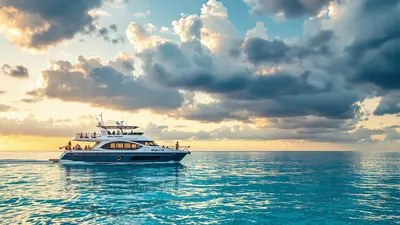
Fin Whales in the Mediterranean: 7 Secrets of the Giant Few Know
Fin whales in the Mediterranean: where to spot them, when to go and how to watch...
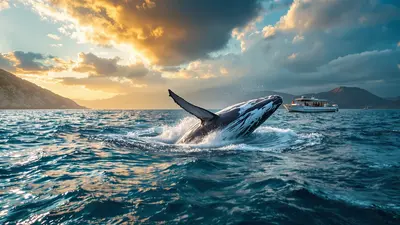
Pelagos Sanctuary: 7 Secrets About the Mediterranean Whale Refuge
Discover the Pelagos Sanctuary, a vast protected area dedicated to cetaceans in ...

Microplastics in the Mediterranean: What's Hiding in Our Turquoise Waters
Microplastics in the Mediterranean: where they accumulate, their impact on dolph...