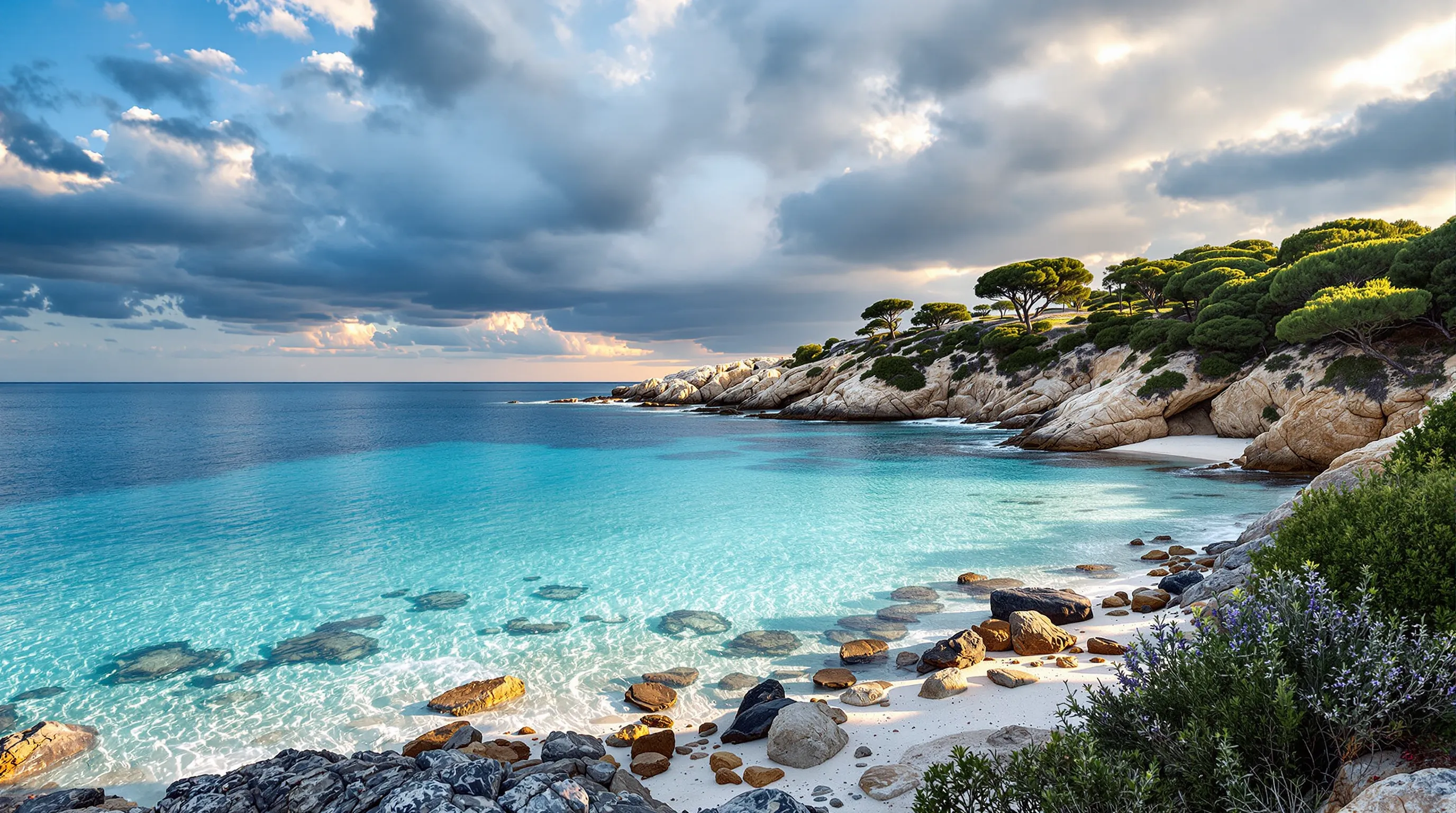
What Sea Lovers Truly Discover at Porquerolles
Porquerolles Island, the jewel of the Hyères Islands, spans 12.5 km² off the Giens Peninsula. This protected nature reserve boasts 7 kilometres of fine sandy beaches and 54 kilometres of waymarked trails. Designated as a National Park since 1963, the island preserves 80% of its territory in a wild state. Its crystal-clear waters, veritable natural aquariums, harbour over 180 marine species. Accessible only by boat from Tour Fondue, Porquerolles offers a Mediterranean sanctuary where cars are banned in favour of walking and cycling.
Hidden Marine Treasures of Porquerolles
The seabed around Porquerolles reveals ecosystems of exceptional richness. The Posidonia seagrass meadows, the lungs of the Mediterranean, extend over 700 hectares around the island. These underwater prairies shelter bream, white seabream, grouper and moray eels in water with visibility sometimes reaching 30 metres. The National Park's marine reserve has rigorously protected these areas since 1979. Divers discover spectacular drop-offs south of the island, where brown meagre, dentex and schools of barracuda roam. The regulated mooring zone preserves the fragile seabed whilst allowing marine wildlife observation. Six waymarked underwater trails offer snorkellers a guided discovery of this preserved aquatic world.
Essential Diving Spots
Roche Percée to the southwest offers dives down to 40 metres depth. The Sarranier plateau, accessible to beginners, reveals colourful fauna between 5 and 15 metres. These protected sites require accompaniment by approved diving centres to preserve the fragile marine ecosystem.
Paradise Beaches and Secret Coves
Notre-Dame Beach, voted Europe's most beautiful beach in 2015, unfolds its 800 metres of white sand bordered by century-old umbrella pines. This lifeguarded summer beach welcomes up to 2,000 visitors daily during peak season. Plage d'Argent, wilder in nature, captivates with its 400 metres of fine sand and shallow waters ideal for families. Courtade Beach, near the harbour, offers comprehensive services with restaurant and water sports equipment hire. To the south, the coves of Langoustier and l'Oustaré reveal havens of tranquillity accessible via footpaths. Grand Langoustier Beach, facing the islets of Petit and Grand Ribaud, provides spectacular sunsets. Each beach has its unique character, from shallow turquoise waters to rocky coves battered by sea spray.
Hiking and Terrestrial Discovery
The Forts Circuit, 9 kilometres long, crosses the island from east to west in 3.5 hours' walking. This trail reveals the 16th-century Fort Sainte-Agathe and the semaphore offering a 360° panorama over neighbouring islands. The 5-kilometre cycle path leads to the lighthouse at Cap d'Arme, the highest point at 142 metres altitude. The 150 bicycles available for hire at the port allow easy island exploration as private motor vehicles are banned. The botanical trail of the Mediterranean National Botanical Conservatory presents 40 endemic species including the Porquerolles rock rose. The vineyards of Domaine de l'île produce AOC Côtes de Provence wines on 200 hectares of terraces. Seven themed waymarked routes reveal historical heritage, fauna and flora according to durations from 1 to 4 hours' walking.
Wildlife Observation
The island harbours 114 species of nesting or migratory birds including the yellow-legged gull and Cory's shearwater. Endemic reptiles like the Turkish gecko populate the dry stone walls. Prime observation occurs early morning or late afternoon.
Practical Tips for Your Stay
The crossing from Tour Fondue lasts 20 minutes and costs €19 return for adults in 2024. TLV-TVM boats provide up to 15 daily rotations in summer, 6 in winter. Booking is essential in July-August, as the island is limited to 5,000 simultaneous visitors to preserve the environment. Island accommodation consists of 3 hotels and a few guesthouses, booking required 6 months in advance. Camping is strictly forbidden. Dining offers 8 establishments from snack bars to gourmet restaurants, budget €25-80 per meal. Bring sufficient water as few sales points exist. The best period runs from May to September; avoid July-August for greater tranquillity. Pack sun cream, hat and walking shoes as shade remains scarce on trails.
Frequently asked questions
How do you reach Porquerolles Island from the mainland?
Embark at Tour Fondue on the Giens Peninsula. TLV-TVM companies provide regular 20-minute connections. 2024 fare: €19 return for adults. Compulsory paid parking at departure (€8/day). Booking recommended in high season via company websites.
Can you stay overnight on Porquerolles Island?
Yes, three hotels offer accommodation: Villa Sainte Anne (5-star), Le Mas du Langoustier (4-star) and several guesthouses. Booking essential 6 months in advance. Wild camping is strictly prohibited. High rates from €150 to €800 per night depending on season and standard.
What water activities can families enjoy at Porquerolles?
Snorkelling on waymarked underwater trails, kayak hire at the harbour to explore coves, dinghy sailing and windsurfing depending on weather conditions. Notre-Dame and Argent beaches offer safe shallow waters. Several nautical centres provide introductions and equipment hire.
Porquerolles reveals its treasures to visitors who respect its fragile ecosystem. This island sanctuary offers total immersion in the preserved Mediterranean, far from continental tumult. To discover other Mediterranean marine wonders and deepen your knowledge of aquatic wildlife, explore our specialist guides at dauphin-mediterranee.com.
Read also
7 Things You Didn't Know About Mediterranean Jellyfish Before Your Holiday
Discover Mediterranean jellyfish: species, invasion periods, first aid and tips ...
How These Travellers Are Transforming Their Mediterranean Holidays Into Ecological Missions
Discover how to practice responsible tourism in the Mediterranean: eco-diving, w...
These 20-metre giants hiding in our Mediterranean waters will amaze you
Discover the secrets of sperm whales in the Mediterranean: observation zones, fa...
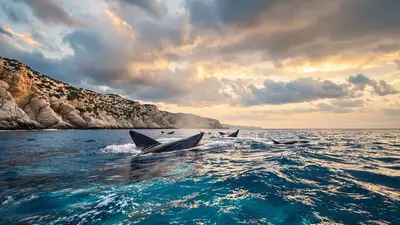
What you didn't know about fin whales, the Mediterranean giants that captivate
Discover fin whales, the world's second-largest marine mammals, thriving in Medi...