
Monaco and the Sea: What Experts Watch for Offshore Before Spotting a Dolphin
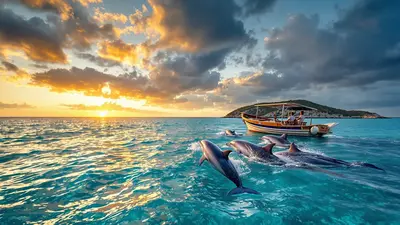
The first time I saw a fin whale surface just a few hundred metres off the Rock of Monaco, I understood why this tiny principality is home to one of the world's most prestigious oceanographic institutes. Founded by Prince Albert I in 1910, the Oceanographic Museum of Monaco overlooks waters that form part of the Pelagos Sanctuary, an 87,500 km2 protected area dedicated to whales and dolphins. From Port Hercule, guided trips allow visitors to spot striped dolphins and even sperm whales, against a backdrop where skyscrapers meet cliffs. Here's how to enjoy this experience without harming the wildlife.
A marine sanctuary right on the principality's doorstep
Monaco sits at the heart of the Pelagos Sanctuary, established in 1999 through an agreement between France, Italy and the Principality to protect cetaceans in the north-western Mediterranean. This area covers the continental slope as far as offshore Corsica, a deep bathymetry that attracts krill and small pelagic fish, the preferred food of large whales. Regular sightings include the striped dolphin (Stenella coeruleoalba), the bottlenose dolphin (Tursiops truncatus), the fin whale, the second-largest mammal on Earth, and, more rarely, sperm whales and long-finned pilot whales. The Oceanographic Museum of Monaco, historically directed by figures such as Commander Cousteau, plays a key role in the scientific monitoring of these populations. The deep waters close to the Monegasque coast, with trenches plunging beyond 2,000 metres just a few kilometres from shore, allow for a swift encounter with pelagic life without hours of sailing. It's this closeness between dense urban development and marine biodiversity that makes Monaco unique on the Riviera.
Why the bathymetry changes everything
Unlike other Mediterranean coastlines where the continental shelf stretches for kilometres, Monaco benefits from a slope that plunges steeply towards open water. This means the hunting grounds of fin whales and dolphins are reachable within 20 to 40 minutes' sailing from the port. This layout cuts travel time, reduces boat fuel consumption and allows for shorter outings, ideally suited to a half-day trip.
Where to set sail: ports and spots around Monaco
Port Hercule, at the foot of the Rock, remains the main departure point for observation trips run by associations partnered with the Pelagos Sanctuary. A few kilometres away, Beaulieu-sur-Mer and Cap d'Ail also offer smaller boats, ideal for reduced group sizes. On the Italian side, the town of Ventimiglia, barely 15 kilometres from the border, serves as a base for several operators specialising in scientific whale watching, with direct access to the underwater Var canyon. Further west, Toulon and its bay offer departures for longer expeditions further offshore, where encounters with fin whales and sperm whales are more frequent due to the greater depth. For visitors staying in Monaco itself, it's possible to combine a morning at the Oceanographic Museum with an afternoon boat trip, without changing base. Boats holding the High Quality Whale Watching label, recognised by Pelagos, guarantee a respectful approach protocol and reliable scientific information on board.
Choosing a certified operator
Always check that the operator displays the High Quality Whale Watching label or membership of the Pelagos charter. These organisations limit the number of boats around an animal, respect minimum distances and often employ a naturalist on board. A good sign: they cancel the trip if weather conditions or animal behaviour don't allow for calm observation, rather than forcing an encounter.
When to go: seasons, weather and crowds
The ideal period for spotting whales and dolphins off Monaco runs from May to September, with peak activity in July and August when the waters warm up and concentrate plankton and shoals of fish. Spring, particularly May and June, tends to offer calmer seas and fewer pleasure boats, allowing for longer and less disturbed sightings. In winter, boat trips remain possible but depend heavily on unpredictable weather: the mistral and easterly gales can halt outings for several days running. August remains the busiest month along the coast, with a high density of yachts and pleasure boats around Monaco, which can make respectful wildlife observation trickier. Choosing an early morning trip, between 7am and 9am, increases the chances of an encounter before maritime traffic picks up. Underwater visibility and clear air, particularly good in late spring, also improve visual comfort from the deck.
How to plan a successful trip
A typical observation trip lasts between 2 and 4 hours, in small groups of 8 to 12 people maximum on the most responsible boats. No particular fitness level is required, but you should be prepared for a good tolerance to seasickness, especially beyond the coastal strip where the swell can pick up. Essential kit includes your own binoculars, a cap, sun cream and a windbreaker even in high summer, as the relative wind at sea stays cool. A camera with a zoom or telephoto lens lets you capture encounters without needing to get closer, which is essential for respecting the required distance. For families, some associations offer educational trips combining observation with awareness-raising, led by marine biologists who explain the behaviour of the animals spotted in real time. It's advisable to book several days in advance during peak season, as places are limited to guarantee a quality experience.
Getting ready without the stress
Arrive at least 20 minutes before departure for the safety briefing and explanations of the observation protocol. Eat light before boarding and avoid alcohol, which worsens seasickness. Bring water and layered clothing, as the temperature can drop quickly once offshore, even during a Monegasque summer.
Practical tips and responsible tourism
The cost of an observation trip varies depending on the duration, the size of the boat and the level of scientific guidance on offer: small association-run boats tend to remain more affordable than the luxury catamarans departing from Port Hercule. Always book online or by phone with operators who clearly display their commitment to the Pelagos Sanctuary and to ACCOBAMS regulations, which set minimum approach distances around whales and dolphins, generally around a hundred metres, and prohibit any chasing or attempts to swim with wild animals. No reputable operator guarantees a hundred percent sighting rate, as nature remains unpredictable, and that's precisely what makes each encounter so precious. Favour operators who limit the number of boats present simultaneously around a group of dolphins, and avoid those who encourage feeding or close approaches by jet ski. Finally, every responsible trip indirectly contributes to scientific research, as identification photos passed on to institutes such as the Oceanographic Museum of Monaco help track populations over the long term.
Frequently asked questions
Can you see dolphins from the shore in Monaco without taking a boat?
It's possible but rare and unpredictable, particularly from the Rock or the Larvotto coastal path on calm days. Striped dolphins generally stay offshore, in deeper waters. A guided boat trip remains the most reliable way to enjoy a genuine and respectful sighting.
What's the difference between the Pelagos Sanctuary and a standard marine reserve?
Pelagos isn't a strict reserve but an international agreement between France, Italy and Monaco aimed at protecting whales and dolphins through maritime traffic regulation, scientific research and awareness campaigns. Boating and fishing remain permitted there under certain conditions, unlike a fully protected reserve where human activities would be entirely restricted.
What's the best time of day to spot whales and dolphins off Monaco?
Morning, between 7am and 9am, generally offers calmer seas and less boat traffic, which favours longer sightings. Animals also tend to be more active at the surface at this time, before the heat and maritime bustle pick up during the middle of the day.
Can children take part in dolphin watching trips?
Yes, most operators welcome families with children from around 5 or 6 years old, provided they have a reasonable tolerance to seasickness. Some educational trips are specifically designed for younger audiences, with simplified explanations of cetacean behaviour and the Mediterranean ecosystem.
What should you do if the boat encounters an unidentified or distressed whale or dolphin?
Report the sighting immediately to the crew, who should contact the national stranding network or relevant maritime authorities. Never attempt to approach or touch the animal. Pelagos-certified operators generally have the contacts and protocols in place for this kind of exceptional situation.
Monaco offers a rare gateway into the Pelagos Sanctuary, where great fin whales and striped dolphins swim just a stone's throw from the skyscrapers. Choosing a certified operator, favouring the months from May to September and respecting observation distances all help guarantee a memorable encounter without harming the wildlife. Every responsible trip thus becomes a concrete act towards protecting the Mediterranean. To plan your next excursion and discover other observation spots along the coastline, explore our guides at dauphin-mediterranee.com.
Read also

Microplastics in the Mediterranean: What the Seabed Reveals
Microplastics in the Mediterranean: origins, impact on cetaceans and practical s...
Bonifacio and Its Cliffs: 8 Things You Never Knew About These Boat Trips
Boat trips in Bonifacio: limestone cliffs, sea caves and offshore wildlife. Comp...
Sète and the Thau lagoon: the secrets of a territory between sea and lagoon waiting to be discovered
Sète and the Thau lagoon: oyster beds, Corniche coves and marine wildlife. Compl...
Dolphins in the Mediterranean: What Marina, a Marine Biologist, Knows Before Heading Out to Sea
Where and when can you spot dolphins in the Mediterranean? A marine biologist's ...