
Microplastics in the Mediterranean: What the Seabed Reveals
The first time I trawled a manta net in the wake of a pod of striped dolphins off Port-Cros, I expected to gather plankton. What I mostly found were plastic fragments under 5 millimetres, tangled up with marine organisms. The Mediterranean, an almost landlocked sea, now holds one of the highest densities of microplastics on the planet, rivalling some parts of the North Pacific. Understanding this phenomenon also means understanding why every choice a coastal traveller makes matters, from the boat trip you book to how you sort your rubbish on the beach.
Where do Mediterranean microplastics come from?
Mediterranean microplastics come from two main sources: the breakdown of larger plastic waste (bottles, bags, lost fishing nets) under the effect of sun and waves, and primary microplastics, released directly at this tiny size, such as synthetic textile fibres shed during washing or tyre residue washed away by rainwater. Rivers play a major role: the Rhône, the Po and the Ebro all pour considerable quantities of particles out to sea each year. The shallow depth of the Strait of Gibraltar limits how quickly Mediterranean waters are refreshed, which traps pollutants over the long term. Scientific surveys carried out between the Hyères Islands and the Gulf of Lion have recorded some of the highest surface concentrations ever measured at sea, particularly after autumn floods. These particles then work their way up the food chain, from small plankton-feeding fish right up to predators such as the fin whale, present in summer in the Pelagos Sanctuary between Corsica, Liguria and Provence.
The role of rivers and storms
After a spell of heavy rain in the Camargue or the Alpes-Maritimes, rivers carry a mix of urban waste and agricultural run-off out to sea. Autumn and winter storms then redistribute these particles over long distances, sometimes reaching as far as the calanques of Marseille or the beaches of the Var. Scientists observe spikes in microplastic concentration in the weeks following these events, a useful signal for planning sampling campaigns and encouraging coastal councils to improve stormwater management.
The worst-affected areas and why they matter for cetaceans
The Pelagos Sanctuary, stretching from the Giens peninsula to Tuscany via Monaco and Corsica, is home to eight regular species of cetacean, including the fin whale, the sperm whale, the striped dolphin and the bottlenose dolphin. It's also an area of heavy shipping traffic, from ferries to leisure boats and fishing vessels, making it a hotspot for microplastic accumulation. Studies carried out on sperm whales stranded in Liguria and along the Var coast have revealed plastic particles present in their tissue, a worrying indicator of bioaccumulation. Further south, the Strait of Sicily and the waters around Corsica also gather debris from across the whole basin. Posidonia seagrass meadows, found from Cassis to Bonifacio, filter out some of these particles but suffer themselves from this chronic pollution, weakening a habitat that's essential for the breeding of many marine species on which cetaceans indirectly depend.
What we're seeing in coastal bottlenose dolphins
The bottlenose dolphin, present year-round between the Gulf of Lion and the Corsican coast, favours shallow waters close to human activity. Photo-identification monitoring carried out since the 1990s shows a resident population continuously exposed to coastal discharge. Although the direct link between microplastics and population health still needs further research, biologists agree on a precautionary approach: cutting pollution off at the source remains the best protection for these settled, vulnerable populations.
When to observe the effects and follow awareness campaigns
May to September is both the peak tourist season on the Mediterranean coast and the time when cetaceans, particularly fin whales, return to feed in the Pelagos Sanctuary. It's also during this summer stretch that beach clean-ups and scientific collection campaigns multiply, often organised by local associations in Nice, Toulon, Sète or Ajaccio. Spring, between April and June, is a good time for observation trips combined with awareness-raising, as the sea tends to be calmer and less crowded than at the height of summer. Autumn, after the first storms, marks the peak arrival of microplastics on certain beaches, a moment some researchers choose specifically for sampling. Avoiding July and August for fieldwork also helps ease tourist pressure on already fragile sites, while making the most of a quieter sea to observe marine wildlife peacefully without causing further disturbance.
How to get involved, required level and equipment
Helping tackle microplastics doesn't require any prior scientific expertise. Numerous coastal associations, from the Camargue to Liguria, run citizen science outings where volunteers learn to use a sieve or a simplified manta net to collect sand or surface water samples. These outings usually last half a day and are suitable for families with children aged 8 to 10 and up. For the more dedicated, more in-depth training is available through partner research institutes, involving microscope work and sorting particles by colour and type. The basic kit is simple: closed shoes, gloves, a sorting bag, and sometimes a magnifying glass provided by the organiser. On the water, sailing or catamaran trips combining cetacean watching with environmental awareness are becoming more common between Toulon and Nice, led by naturalist guides trained in species identification and responsible approach practices.
Getting involved long-term through citizen science
Programmes such as beach monitoring schemes or litter-reporting apps let you contribute from home, simply by photographing and geotagging debris found during an ordinary walk. This data feeds into scientific databases used by researchers across the Mediterranean basin to map critical zones. It's a year-round commitment requiring no special travel, which nicely complements the one-off outings organised on the coast each summer.
Practical tips and responsible tourism
The cost of joining an awareness or observation trip varies depending on duration, type of vessel and whether scientific guidance is included; small-group outings run by associations tend to be more affordable than private catamaran charters. Always book ahead, especially between June and September when the most popular slots fill up fast. Choose operators with High Quality Whale Watching certification, who follow ACCOBAMS recommendations: a minimum distance of 100 metres from cetaceans, a gradual side-on approach, no more than two boats around a group at any one time, reduced speed, and immediate withdrawal if the animals show signs of stress. These rules protect species already weakened by plastic pollution and shipping traffic. Out on the coast, cut down on your own plastic waste: bring a reusable water bottle, use sun cream free from microplastics and oxybenzone, and sort your rubbish properly on the beach. Joining an organised litter pick, even just for an hour, directly helps reduce the amount of debris that would otherwise break down in the sea. Responsible tourism in the Mediterranean starts with these small, cumulative choices, made by every visitor.
Frequently asked questions
What exactly is a microplastic?
A microplastic is a plastic fragment measuring less than 5 millimetres. It can come from the breakdown of larger objects (bottles, bags, nets) or be released directly at this size, such as synthetic textile fibres or tyre residue. The smallest ones are invisible to the naked eye, and they disperse throughout the water column and build up in coastal sediment.
Do microplastics really affect dolphins and whales?
Studies on cetaceans stranded in the Mediterranean, particularly sperm whales, have found plastic particles in their digestive tissue. The precise link to their health is still being studied, but marine biologists apply a precautionary principle: these particles accumulate along the food chain and represent an additional source of stress for already vulnerable populations.
Where in the Mediterranean do you find the most microplastics?
The Pelagos Sanctuary between Provence, Corsica and Liguria, along with the mouths of the Rhône and the Po, hold high concentrations of microplastics due to heavy shipping traffic and river input. Seabeds near major coastal cities such as Marseille or Nice also show worrying concentrations after periods of heavy rain.
How can I take part in a microplastic collection while on holiday?
Numerous coastal associations, from the Camargue to Liguria, organise citizen science outings suitable for children aged 8 to 10 and up, usually lasting half a day. Check with local tourist offices or marine discovery centres from springtime onwards, as summer slots fill up quickly.
What distance should be kept when watching dolphins in the Mediterranean?
ACCOBAMS guidelines require a minimum distance of 100 metres from cetaceans, with a gradual side-on approach and never encircling the group. Choose an operator with High Quality Whale Watching certification, which limits the number of boats present at any one time and stops the observation if the animals show signs of distress.
Microplastics tell a quiet but measurable story, that of an enclosed sea concentrating our everyday habits right down into the tissue of great cetaceans. Understanding their origins, knowing the sensitive areas and adopting simple habits along the coast is already a meaningful form of action. Every responsible outing, every bit of rubbish sorted, every choice of a certified operator counts towards preserving the Pelagos Sanctuary and its inhabitants. To plan a respectful whale and dolphin watching trip and learn more about Mediterranean cetaceans, browse our detailed guides at dauphin-mediterranee.com.
Read also

Bonifacio and Its Cliffs: 8 Things You Never Knew About These Boat Trips
Boat trips in Bonifacio: limestone cliffs, sea caves and offshore wildlife. Comp...
Sète and the Thau lagoon: the secrets of a territory between sea and lagoon waiting to be discovered
Sète and the Thau lagoon: oyster beds, Corniche coves and marine wildlife. Compl...
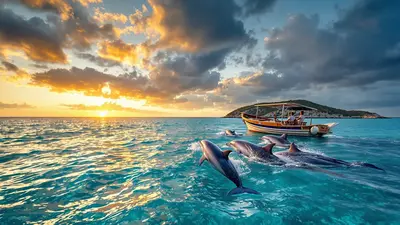
Dolphins in the Mediterranean: What Marina, a Marine Biologist, Knows Before Heading Out to Sea
Where and when can you spot dolphins in the Mediterranean? A marine biologist's ...
Fin Whales in the Mediterranean: 7 Secrets of the Giant Few Know
Fin whales in the Mediterranean: where to spot them, when to go and how to watch...