
Bonifacio and Its Cliffs: 8 Things You Never Knew About These Boat Trips
The first time I sailed along the cliffs of Bonifacio, I cut the engine just to listen. The silence between two waves slapping against the white limestone is a rare sensation. These 60 to 90 metre walls, sculpted by wind and sea over millennia, plunge sheer into water of an almost unreal blue. This isn't just a postcard backdrop: it's also a living marine territory, frequented by dolphins and sometimes fin whales making their way through the Strait of Bonifacio. Here's what you need to know before setting sail.
A Unique Geological Landscape in the Mediterranean
The cliffs of Bonifacio, standing 60 to 90 metres high depending on the section, are made of white limestone eroded by wind and sea spray over millions of years. Seen from the water, they reveal spectacular horizontal strata and dizzying overhangs, particularly beneath the citadel, where some houses appear to hang suspended over the void. The great staircase of the King of Aragon, carved into the rock, can just be made out from the sea. Further along, sea caves such as the Sdragonato grotto let in light that is said to trace the silhouette of Corsica on the water. These caves, reachable by small boat or kayak depending on the swell, rank among the major geological curiosities of southern Corsica. The Strait of Bonifacio, separating Corsica from Sardinia, creates distinctive currents that concentrate rich marine life: pelagic fish, sometimes bluefin tuna in summer, and passing cetaceans drawn by this abundance.
The Sdragonato Grotto and Sea Caves
The Sdragonato grotto, accessible only by sea, has an opening at its top that lets in a shaft of natural light. Glass-bottomed boat trips and classic excursions stop here without fail, particularly in the morning when the light best pierces the cavity. Other, less well-known caves dot the coastline as far as Pertusato Point, where Corsica's southernmost lighthouse stands.
Where to Set Sail: Ports, Villages and Access Around Bonifacio
Nearly all boat trips depart from the port of Bonifacio, tucked at the far end of a narrow inlet lined with restaurants and yachts. This is where the glass-bottomed launches, catamarans and rigid inflatables are moored, offering excursions to the cliffs, caves and the Bouches de Bonifacio nature reserve, France's largest marine protected area. Some operators venture as far as the Lavezzi Islands, a nature reserve since 1982, reachable in 30 to 45 minutes' sailing depending on the weather. Others offer shorter loops, simply hugging the cliffs and Pertusato lighthouse, ideal for families or visitors with limited time. From Porto-Vecchio, roughly 25 kilometres away, a few companies also run combined trips to Bonifacio and the Lavezzi Islands. Parking near Bonifacio's port is limited during peak season, so it's best to arrive early in the morning or book a space in one of the park-and-ride car parks below the citadel.
The Lavezzi Islands, a Highlight of the Excursions
The Lavezzi archipelago, with its white sandy beaches and pink granite boulders polished smooth by the sea, contrasts sharply with Bonifacio's limestone. The nature reserve here protects remarkable marine biodiversity: seagrass meadows, groupers, and occasionally bottlenose dolphins spotted around the archipelago's edges. Landing is regulated during the season to limit visitor numbers, with a daily cap set by the reserve's management.
When to Go: Seasons, Weather and Crowds
The ideal period runs from May to September, with the sweet spot in June and September, when the sea is warm, crowds are thinner than in August, and the low morning or evening light shows the cliffs at their best. July and August offer the best underwater visibility and the most pleasant water temperatures, but the port of Bonifacio and the Lavezzi Islands see their busiest crowds then, so early booking is strongly advised. Wind, particularly the libeccio and levante that regularly sweep the strait, can force trips to be cancelled at short notice, especially around the Lavezzi Islands where swell builds quickly. Spring, from April to mid-June, remains a good window to spot dolphins active after winter, with the sea often calmer in the mornings. Autumn, from late September to October, extends the season for visitors seeking peace and quiet and softer light, though some companies reduce their sailings. In winter, standard tourist trips almost all stop, with only occasional fishing or wildlife-watching outings continuing depending on conditions.
Frequently asked questions
Can you see dolphins on a boat trip in Bonifacio?
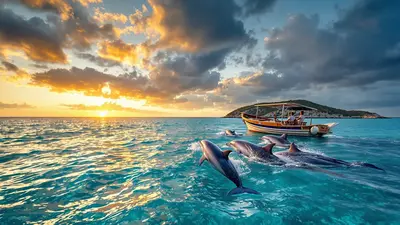
Yes, bottlenose dolphins regularly frequent the Strait of Bonifacio and the waters around the Lavezzi Islands, especially in spring and early summer. Sightings remain unpredictable since these are wild animals moving freely, but experienced guides know the areas where the chances of spotting them are highest, particularly in the early morning.
Do I need to book a trip to the Bonifacio cliffs in advance?
In July and August, booking online or by phone several days ahead is strongly recommended, as morning and late-afternoon slots fill up quickly. Outside peak season, it's often possible to book the day before or even on the day itself, directly with the operators based at Bonifacio's quayside.
What's the best time to see the light inside the Sdragonato grotto?
The light best pierces the grotto's opening in the morning, generally between 9am and midday depending on the season and the angle of the sun. Morning excursions therefore prioritise this stop to catch the finest light, while late-afternoon trips focus more on the cliffs and sunset.
Are boat trips in Bonifacio suitable for children and those prone to seasickness?
Short trips on catamarans or other stable boats generally suit families well, with a duration adapted for younger children. In choppy seas, particularly during strong winds, it's best to opt for a more stable catamaran or postpone the trip. Taking a seasickness remedy beforehand is a sensible precaution for anyone prone to it.
What's the difference between trips to the cliffs and trips to the Lavezzi Islands?
Cliff excursions are short, around 1.5 to 2 hours, hugging the coastline as far as Pertusato lighthouse without any landing. Trips to the Lavezzi Islands last from half a day to a full day, include sailing through the strait, and offer time for swimming or exploring the nature reserve, with landings often regulated during the season.
Between vertiginous limestone cliffs, secret caves and waters frequented by dolphins, a boat trip in Bonifacio offers far more than a simple tourist outing: it's an immersion into a protected and fragile marine environment. Choose an operator committed to respecting wildlife, tailor your trip to the season and wind conditions, and always keep your binoculars within reach. To deepen your knowledge of Mediterranean cetaceans and make the most of your next boat trip, head to dauphin-mediterranee.com.
Read also

Sète and the Thau lagoon: the secrets of a territory between sea and lagoon waiting to be discovered
Sète and the Thau lagoon: oyster beds, Corniche coves and marine wildlife. Compl...
Dolphins in the Mediterranean: What Marina, a Marine Biologist, Knows Before Heading Out to Sea
Where and when can you spot dolphins in the Mediterranean? A marine biologist's ...
Fin Whales in the Mediterranean: 7 Secrets of the Giant Few Know
Fin whales in the Mediterranean: where to spot them, when to go and how to watch...
Pelagos Sanctuary: 7 Secrets About the Mediterranean Whale Refuge
Discover the Pelagos Sanctuary, a vast protected area dedicated to cetaceans in ...