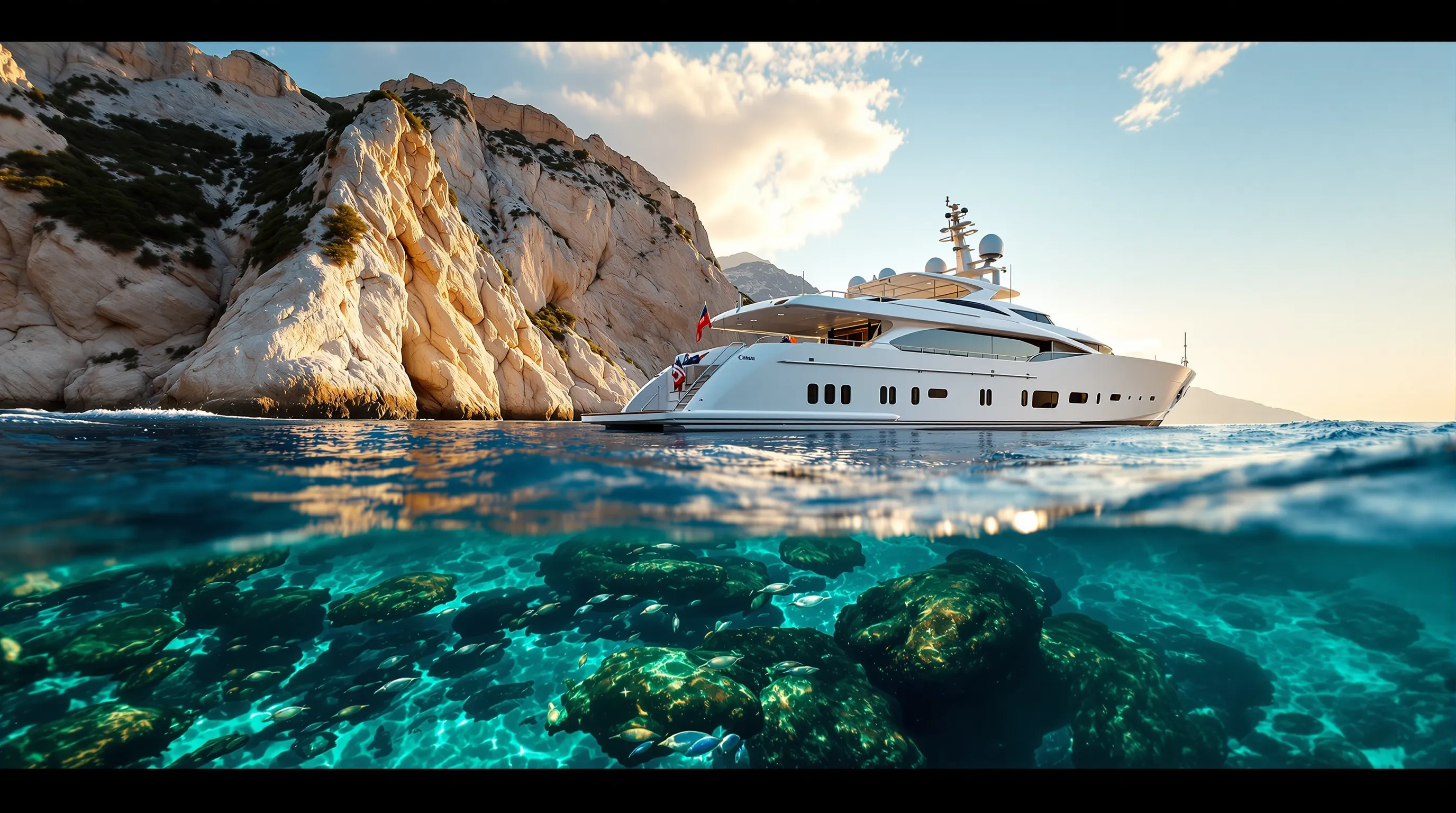
What Luxury Yachts Reveal About Monaco's Marine Wildlife
Monaco reveals a well-kept secret: its waters harbour one of the Mediterranean's richest biodiversities. The Pelagos International Sanctuary, spanning 87,500 km², begins just 3 nautical miles from the Principality. This exceptional proximity allows observation of 8 resident cetacean species, including sperm whales and fin whales. Wildlife watching cruises depart from Port Hercule towards areas where encounter probability reaches 85% in summer. A unique experience combining Monégasque luxury with authentic natural discovery.
The Pelagos Sanctuary: An Exceptional Ecosystem at Monaco's Doorstep
The Pelagos Sanctuary constitutes the Mediterranean's first international marine protected area. Created in 1999 by Monaco, France and Italy, it protects an underwater canyon where nutrient-rich waters rise to the surface. This natural upwelling feeds abundant phytoplankton, the foundation of the food chain. Deep waters reach 2,600 metres just 10 kilometres from Monaco's coast. This unique geological configuration attracts large pelagics and cetaceans. The Mediterranean Gulf Stream carries krill and small fish, creating a natural larder. Scientists record 25% of the world's cetacean species here on less than 1% of the Mediterranean surface.
Exceptional Biodiversity of the Ligurian Canyon
The Ligurian underwater canyon plunges dramatically from Monaco's coastline. This topography creates ascending currents rich in plankton. Fin whales, sperm whales and striped dolphins find abundant food here. Scientific observations record up to 150 fin whales simultaneously in summer. This density remains unique in the western Mediterranean.
Wildlife Watching Cruises: A Respectful Approach from Monaco
Monégasque operators offer trips from 3 to 8 hours, adapted to seasonal migrations. From May to October, departures take place from Port Hercule towards observation zones located between 5 and 15 nautical miles. Vessels, limited to 12 passengers, respect the Pelagos charter: approach at under 8 knots, engines stopped at 300 metres, observation limited to 15 minutes per group. Onboard naturalist guides possess specialised scientific training. Success rates reach 85% in summer, 60% in spring and autumn. Winter trips, less frequent, offer sperm whale observations with 40% success. Prices: £40-105 depending on duration.
Observable Species and Optimal Periods
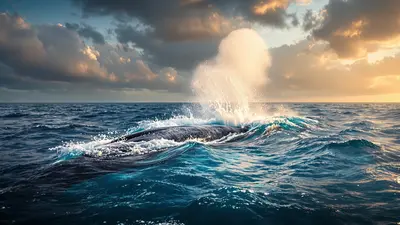
Eight cetacean species regularly frequent Monaco's waters. The fin whale, a 20-metre giant, remains observable from April to October with a peak in July-August. Striped dolphins, permanent residents, move in groups of 10 to 200 individuals. The sperm whale, mythical deep-diver, frequents deep waters year-round with reduced winter presence. Risso's dolphins and pilot whales appear sporadically. Observations also include loggerhead turtles, bluefin tuna and ocean sunfish. Summer concentrates 70% of successful observations thanks to weather stability and maximum plankton activity.
Seasonal Species Calendar
May-June: fin whales arrive, dolphins active, stable weather conditions. July-August: peak observation period, all species present, calm seas. September-October: autumn migration, sperm whales more frequent. November-April: challenging conditions, reduced trips, sperm whales and resident dolphins only. Booking recommended 48 hours in advance.
Practical Tips for Your Wildlife Watching Experience
Book between March and April for the summer high season, as places are limited on small vessels. Bring biodegradable sun cream, cap and windbreaker even in summer. Observation requires patience and silence: cetaceans detect vibrations and noise. Bring binoculars and camera with telephoto lens. Morning departures (8am-9am) offer calmer seas and optimal light. Avoid trips during mistral or tramontane winds (>20 knots). Budget: £40-55 for 3 hours, £75-105 for full day. Supplements: onboard meals (£22), photo equipment hire (£13). Group discounts (6+ people): 15%. Free cancellation up to 24 hours if unfavourable weather.
Frequently asked questions
What's the best time to observe cetaceans from Monaco?
July and August offer the best conditions with 85% success rates. The sea is calm, fin whales numerous and weather stable. May-June and September remain excellent with 70% success rates. Winter observation is possible but limited to sperm whales and resident dolphins.
How much does a wildlife watching cruise from Monaco cost?
Prices range from £40 for 3 hours to £105 for a full day. Half-day trips (5 hours) cost £55-75. Possible supplements: onboard meals (£22), equipment hire (£13). Group discounts available. Booking recommended 48 hours in advance during high season.
Can you observe whales year-round in Monaco's waters?
Sperm whales are observable year-round with 40% success rates in winter. Fin whales frequent the area from April to October. Striped dolphins remain permanent residents. Winter limits trips due to weather conditions but offers calmer sperm whale observations.
Monaco opens a privileged window onto one of the Mediterranean's richest marine ecosystems. Respectful observation of Pelagos Sanctuary cetaceans combines emotion with environmental awareness. These exceptional marine encounters perfectly complement a stay on the French Riviera. To deepen your knowledge of Mediterranean dolphins and prepare your experience, discover specialist resources on dauphin-mediterranee.com.
Read also
What Sea Lovers Truly Discover at Porquerolles
Discover Porquerolles Island, a Mediterranean gem with turquoise waters and pris...
7 Things You Didn't Know About Mediterranean Jellyfish Before Your Holiday
Discover Mediterranean jellyfish: species, invasion periods, first aid and tips ...
How These Travellers Are Transforming Their Mediterranean Holidays Into Ecological Missions
Discover how to practice responsible tourism in the Mediterranean: eco-diving, w...
These 20-metre giants hiding in our Mediterranean waters will amaze you
Discover the secrets of sperm whales in the Mediterranean: observation zones, fa...