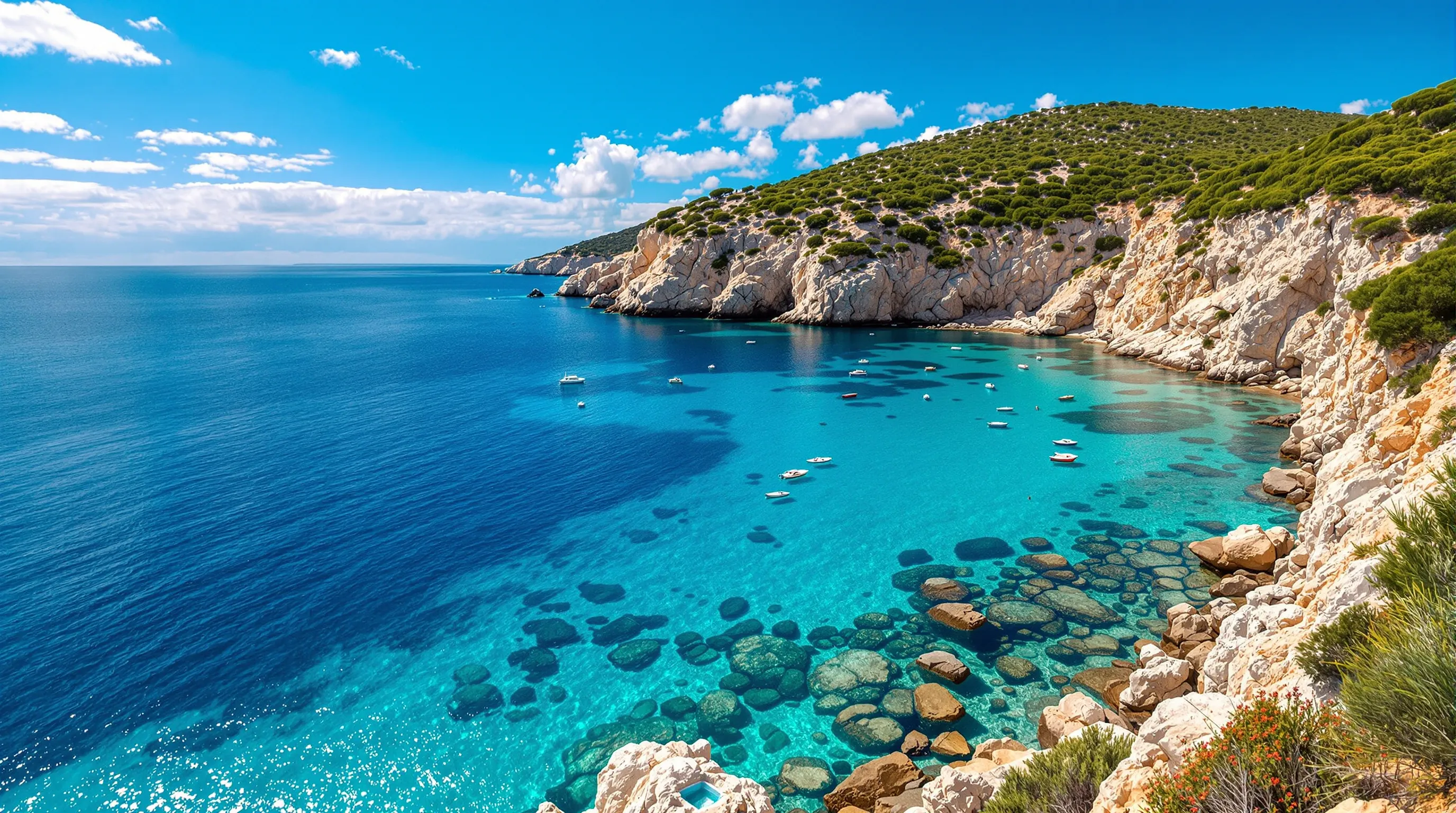
7 Truths About Mediterranean Sharks That Divers Keep Quiet
The Mediterranean hosts 47 shark species, yet only 15 regularly frequent coastal waters. Contrary to popular belief, attacks are exceptionally rare: fewer than 5 cases annually since 1990. Blue sharks account for 80% of sightings, followed by thresher sharks at 12%. These predators play a crucial role in ecosystem balance, but their populations have plummeted by 97% over 200 years according to the IUCN. Between Hollywood fantasies and scientific reality, let's explore the concrete facts about these fascinating inhabitants of Mediterranean waters.
Shark Species Actually Present in the Mediterranean
The biodiversity of Mediterranean sharks remains largely unknown to the general public. The blue shark (Prionace glauca) dominates with 65% of confirmed observations, primarily dwelling offshore between 200-2000m depth. The common thresher shark (Alopias vulpinus) represents 15% of sightings, recognisable by its disproportionately long tail. More surprisingly, great white sharks occasionally frequent our waters: 12 certified observations since 2010, primarily near Sicilian and Sardinian coasts. Spotted smooth-hounds and lesser spotted dogfish populate rocky coastal bottoms. This data comes from the MEDLEM surveillance network, which has recorded 2,847 observations since 2015. Unlike the oceans, the Mediterranean harbours no aggressive tropical species. Local sharks typically measure 1-3 metres, feeding essentially on pelagic fish and cephalopods.
Identifying Common Species
Identification remains challenging for non-specialists. Blue sharks display a sleek, metallic blue-grey silhouette. The spotted smooth-hound, smaller (80cm maximum), sports characteristic spots on a brown background. The nocturnal lesser spotted dogfish possesses distinctive barbels. These harmless species constitute 90% of diving encounters, primarily between May and October in waters of 15-25°C.
Actual Incident Statistics in the Mediterranean
Official figures largely dispel irrational fears. The International Shark Attack File records 98 confirmed incidents in the Mediterranean since 1847, with only 27 fatalities. This represents 0.16 incidents per year over the past 50 years. For comparison, jellyfish stings cause 150,000 medical consultations annually. The most affected areas: northern Adriatic (23 cases), Italian coasts (31 cases), Greek waters (18 cases). 78% of incidents involve fishermen handling their catch, not bathers. The probability of an incident for tourists remains 847 times lower than drowning risk (2,847 deaths annually). The last serious cases date back to 2007 in Croatia and 2018 near Majorca, involving large blue sharks (>3m) under exceptional circumstances.
Distribution Zones and Seasonal Behaviour
Mediterranean shark distribution follows precise migratory patterns. Offshore waters (>1000m) concentrate 85% of populations between April and November. Spring upwellings attract pelagic species towards Spanish and French coasts. Provence's submarine canyons shelter smooth-hound nurseries from May to September. The Strait of Gibraltar serves as a major migratory corridor: 12,000 blue sharks transit annually according to satellite tagging data. Italian waters, being warmer, maintain residual winter presence. Optimal temperatures: 16-24°C for temperate species, >22°C for occasional tropical migrants. Rocky littoral zones (0-50m) house benthic species year-round, particularly active at twilight. This seasonality explains why 73% of observations concentrate between June and October.
Confirmed Observation Hotspots
Certain sites offer superior observation probabilities. The Balearic Islands record 40% of Spanish sightings, notably around Majorca. Corsican waters off Cap Corse total 156 observations since 2010. The French Riviera between Antibes and Monaco remains favoured by underwater photographers. These zones combine significant depths, nutrient-rich currents, and low fishing pressure.
Practical Advice for Swimmers and Divers
A rational approach trumps irrational fear. When diving, maintain a respectful distance of 10-15 metres and avoid sudden movements. Sharks manifest discomfort through body undulations and repeated passes: ascend calmly. Never touch a shark, even small ones: their razor-sharp teeth cause deep lacerations. For swimmers, avoid active fishing areas and murky waters near harbours. Wear neutral colours rather than bright yellow or stark contrasts. Shiny jewellery attracts attention through reflections. Swim in groups and stay near supervised beaches. Specialist equipment budget: SharkStop anti-shark wetsuit (£750), Shark Shield electronic repellent (£370). Optimal observation season: May-October, time slots 6-9am and 5-8pm. Book diving excursions through certified PADI/BSAC operators with experience.
Frequently asked questions
Can you really encounter a great white shark in the Mediterranean?
Yes, but exceptionally rarely. 12 confirmed observations since 2010, primarily near Sicily and Sardinia. These individuals typically measure 3-4 metres and migrate from the Atlantic via Gibraltar. Encounters remain extremely rare for recreational divers, concentrated in deep pelagic waters.
Which period should swimmers avoid due to sharks?
No period justifies avoiding swimming. Mediterranean sharks pose no significant danger to bathers. Incidents remain exceptional (less than 1 every 5 years) and mainly concern fishermen handling their catch, not swimmers.
What should I do if I encounter a shark whilst diving in the Mediterranean?
Stay calm and observe from a respectful distance (minimum 10-15m). Don't flee hastily; Mediterranean sharks are timid and naturally keep their distance. Ascend slowly if the animal shows signs of agitation (repeated passes, undulations). Photograph if possible: your images enrich scientific databases.
The reality of Mediterranean sharks differs radically from propagated fantasies. These fascinating predators, in critical decline, deserve respect and protection rather than irrational fear. Their exceptional encounters constitute privileges for knowledgeable divers. To deepen your understanding of Mediterranean marine fauna and plan your observations, consult the expert resources at dauphin-mediterranee.com.
Read also

7 Secrets of Mediterranean Starfish That Even Marine Biologists Don't Know
Discover the hidden mysteries of Mediterranean starfish and sea urchins: behavio...
Why Mediterranean Starfish Fascinate Marine Biologists
Discover the secrets of Mediterranean starfish and sea urchins: rare species, fa...
What Marine Biologists Are Discovering off Monaco's Coast Will Amaze You
Discover Monaco's exceptional marine wealth: whale watching cruises, Pelagos San...
7 Secrets of Mediterranean Starfish That Divers Keep to Themselves
Discover the fascinating secrets of Mediterranean starfish and sea urchins. Comp...