What Marine Biologists Are Discovering off Monaco's Coast Will Amaze You
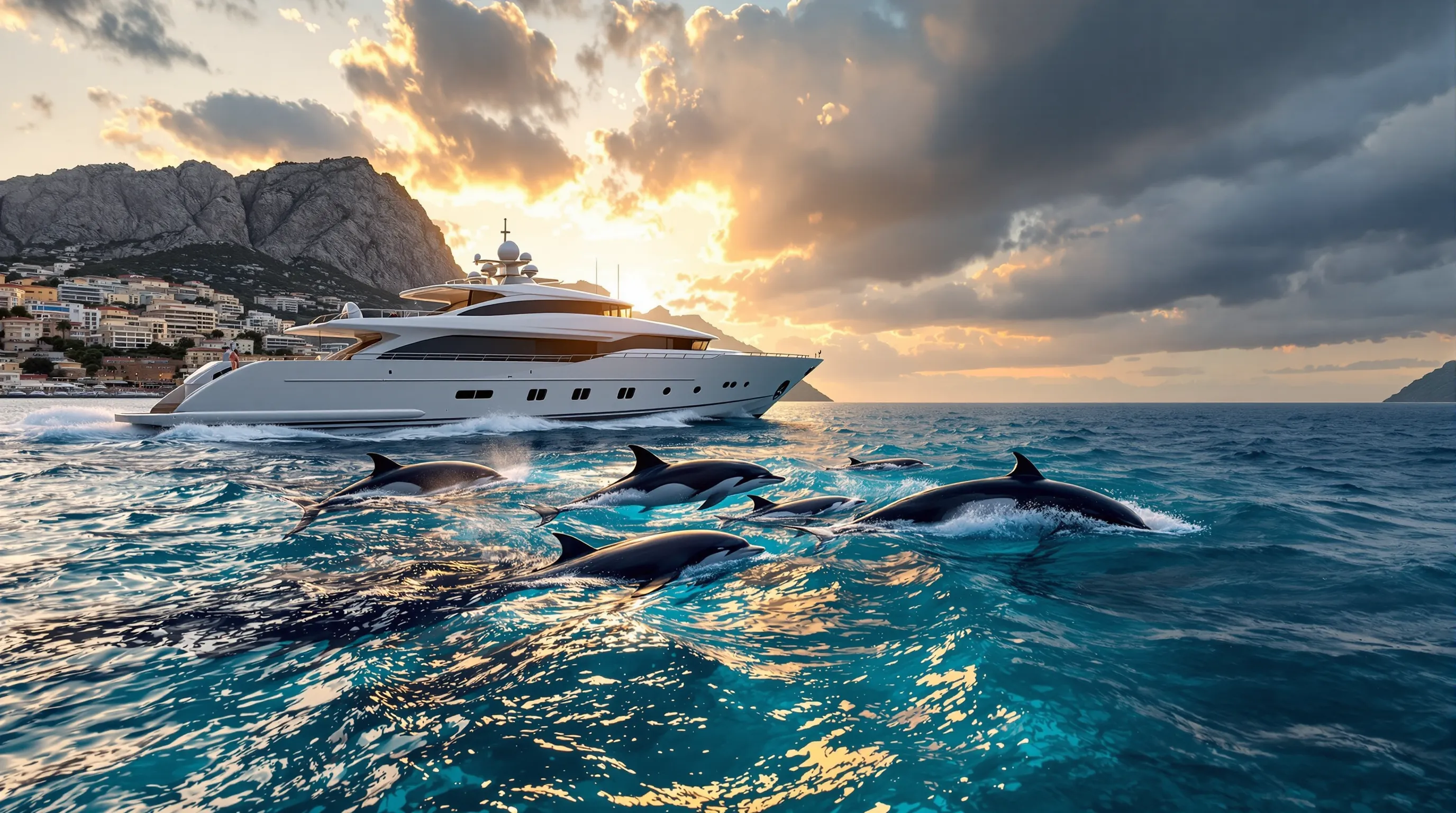
Monaco's waters harbour an extraordinary secret: they shelter one of the richest marine biodiversities in the Mediterranean. Located at the heart of the international Pelagos Sanctuary, the Monégasque territory offers privileged access to 8 resident cetacean species, including sperm whales and Cuvier's beaked whales. Each year, over 15,000 visitors embark from Port Hercule to observe this exceptional wildlife. Just 30 minutes from shore, the deep waters of the submarine canyon reveal a unique ecosystem where striped dolphins, pilot whales, and fin whales thrive in their preserved natural habitat.
The Pelagos Sanctuary: An Exceptional Natural Laboratory
Established in 1999, the Pelagos Sanctuary spans 87,500 km² between France, Italy, and Monaco. This marine protected area benefits from natural upwelling that brings nutrient-rich waters from the depths to the surface. The submarine canyon, which plunges over 2,000 metres just kilometres from the coast, creates a unique ecosystem. Ligurian currents favour the concentration of krill and small pelagic fish, the primary food source for cetaceans. This exceptional nutritional abundance explains the permanent presence of 8 cetacean species, representing 40% of all Mediterranean species. Sighting rates reach 95% between May and October, when optimal weather conditions allow daily excursions from Monaco.
Marine Biodiversity by Numbers
The sanctuary houses 25,000 different marine species, with 10% being endemic. Striped dolphins account for 60% of sightings, with pods of 20 to 200 individuals. Sperm whales, present year-round, dive up to 1,000 metres to hunt giant squid. This exceptional density makes Monaco one of the finest cetacean watching spots in the western Mediterranean.
Wildlife Watching Cruises: A Unique Immersive Experience
From Port Hercule, three types of excursions are available: half-day trips (4 hours, £55), full-day cruises (8 hours, £80), and specialist expeditions with marine biologists (6 hours, £100). The vessels, equipped with hydrophones and scientific observation equipment, accommodate between 12 and 50 passengers depending on the trip type. Naturalist guides, trained by Monaco's Oceanographic Museum, share their knowledge of cetacean behaviour. The season runs from April to October, with peak activity in July and August. Success rates vary by species: 95% for dolphins, 70% for pilot whales, and 40% for sperm whales. Navigation follows the strict cetacean approach charter, ensuring non-intrusive observations.
Flagship Species and Observable Behaviours
The striped dolphin (Stenella coeruleoalba) dominates sightings with spectacular acrobatics and leaps of 6 metres out of the water. The bottlenose dolphin (Tursiops truncatus), less common but more curious, often approaches vessels. Long-finned pilot whales, present in family groups of 10 to 30 individuals, offer moving encounters thanks to their strong social bonds. The fin whale, the world's second-largest whale at 20 metres long, crosses the area during migrations. Observations include rare behaviours such as spy-hopping (vertical head emergence), complete breaches, and complex social interactions. Each excursion contributes to the photo-identification programme conducted by CIMA laboratory, enabling monitoring of over 2,000 catalogued individuals.
Optimal Observation Periods
May to June concentrate births, offering observations of mothers with their calves. July to September present the highest cetacean density thanks to food abundance. October marks the passage of migrants like fin whales. Weather conditions with winds below 15 knots and calm seas optimise sighting chances and passenger comfort.
Practical Tips for a Successful Trip
Book 48 hours in advance during peak season, as places are limited to 50 per trip maximum. Budget required: £55-100 per adult, £35 for children aged 4-12. Recommended equipment: polarised sunglasses, marine-friendly sun cream, windbreaker, and non-slip shoes. Morning trips (8am-noon) generally offer better weather conditions and more animal activity. Bring water and light snacks; some operators include refreshments. For seasickness, take preventive treatment 2 hours before departure. Cancellation conditions provide rescheduling or refunds if weather is unfavourable (wind > 25 knots, swell > 1.5m). Paid parking at Port Hercule: £2/hour or free shuttles from Monaco-Monte-Carlo station.
Frequently asked questions
When is the best time to observe cetaceans off Monaco?
The optimal period runs from May to October, with peak activity in July to September. Sighting rates reach 95% for dolphins and 70% for whales. Weather conditions are ideal with calm seas and excellent visibility.
How much does a cetacean watching trip from Monaco cost?
Prices range from £55 for a half-day to £100 for a specialist excursion with marine biologist. Children aged 4-12 benefit from reduced rates at £35. Full-day trips cost approximately £80 per adult.
Which cetacean species can be observed off Monaco year-round?
Eight resident species frequent Monégasque waters: striped dolphins, bottlenose dolphins, long-finned pilot whales, sperm whales, Cuvier's beaked whales, Risso's dolphins, fin whales, and pilot whales. Each species presents specific behaviours and observation periods.
Monaco's waters reveal exceptional marine biodiversity, accessible to all through professional wildlife watching cruises. This unique experience combines wonder with ocean conservation awareness. To enhance your knowledge of Mediterranean cetaceans and best prepare for your trip, consult specialised resources on dauphin-mediterranee.com, your expert guide to responsible marine observation.
Read also
7 Secrets of Mediterranean Starfish That Divers Keep to Themselves
Discover the fascinating secrets of Mediterranean starfish and sea urchins. Comp...
What Divers Do in Secret in Villefranche-sur-Mer Waters
Discover the secret water activities of Villefranche-sur-Mer that only locals kn...
What Luxury Yachts Reveal About Monaco's Marine Wildlife
Discover the secrets of wildlife watching from Monaco. Exclusive cruises, Pelago...
What Sea Lovers Truly Discover at Porquerolles
Discover Porquerolles Island, a Mediterranean gem with turquoise waters and pris...