What Marine Biologists Reveal During Mediterranean Sea Trips
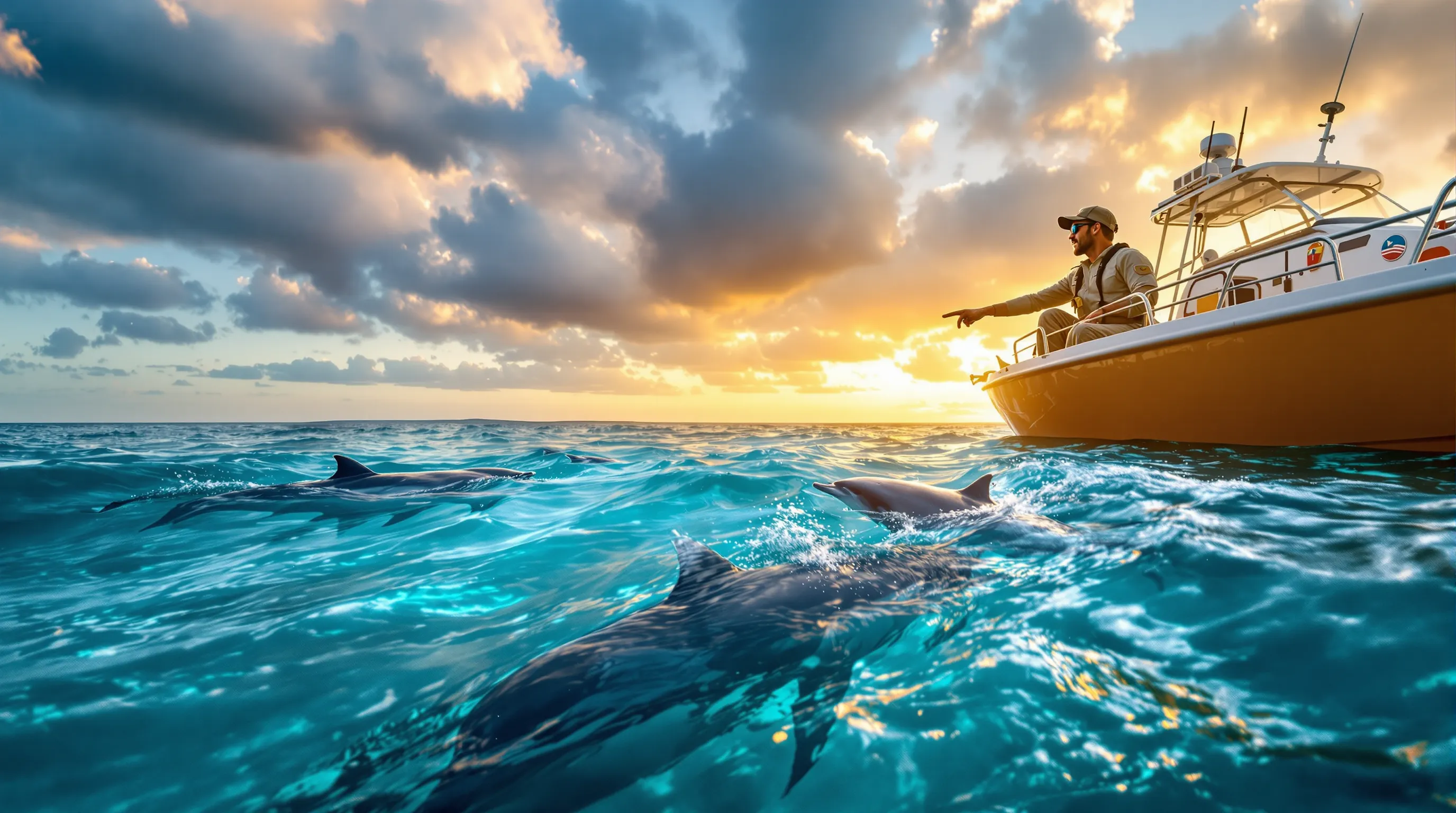
Sea trips with marine biologists transform simple excursions into fascinating scientific adventures. In the Mediterranean, these passionate experts share their knowledge of an ecosystem home to over 17,000 marine species. Accompanied by qualified professionals, participants discover dolphin behaviours, climate change impacts on corals, and marine conservation techniques. These unique experiences, available from 15 Mediterranean ports across southern Europe, combine the pleasure of sailing with hands-on scientific learning.
Scientific expertise at the heart of the experience
Marine biologists leading these trips typically hold master's degrees in marine sciences and several years of field experience. They use hydrophones to detect cetacean vocalisations from over 2km away, analyse water quality using specialised probes, and identify observed species following rigorous scientific protocols. These professionals often collaborate with research centres such as the Oceanographic Institute of Monaco or the CNRS. Their ongoing training enables them to share the latest discoveries about Mediterranean biodiversity, including new species discovered annually in this semi-enclosed sea.
Scientific equipment on board
Boats are equipped with professional gear: differential GPS, echo sounders, portable microscopes for plankton observation, sampling nets, and waterproof observation logbooks. This technology allows participants to experience genuine real-time scientific missions.
Discovering Mediterranean marine wildlife
The Mediterranean hosts 8% of global marine biodiversity within just 0.7% of the planet's oceanic surface. During these trips, biologists explain the behaviours of the 21 cetacean species present, notably striped dolphins living in groups of 10 to 30 individuals. Participants learn to recognise animal presence indicators: diving seabirds, water colour changes, surface bubbles. Loggerhead turtles, primarily observed between May and September, are the subject of detailed explanations about their 12,000km migrations. This educational approach reveals ecosystem interconnections and each species' importance in marine balance.
Environmental impact and conservation
Biologists raise awareness about major environmental challenges: water warming of 1.5°C over 30 years, marine acidification, plastic pollution with 500 tonnes of waste per km². They explain marine protected areas now covering 9% of the French Mediterranean and their concrete results: 40% increase in fish populations in Port-Cros National Park. Participants discover daily preservation actions and citizen science programmes they can contribute to after their trip. This educational dimension transforms each excursion into concrete environmental awareness-raising, creating marine protection ambassadors.
Citizen science programmes
Biologists present mobile applications like iNaturalist or BioObs enabling citizens to contribute to scientific inventories. These tools transform each dive or sea trip into useful contributions to Mediterranean marine research.
Practical information
Marine biologist trips cost between £40-£100 depending on duration (2-8 hours) and season. The optimal period runs from April to October, with peak animal activity in June-July. Booking required minimum 48 hours in advance, cancellation possible if weather conditions unfavourable (wind >force 4). Bring biodegradable sun cream, hat, warm clothing, and waterproof camera. Departures from Nice, Antibes, Cannes, Toulon, Marseille, and Montpellier. Capacity limited to 12 people maximum to guarantee educational quality. Some trips offer family packages suitable for children from age 6 with specific fun learning materials.
Frequently asked questions
What's the average duration of a sea trip with a marine biologist?
Trips typically last between 2.5 and 4 hours, allowing time to observe marine wildlife, conduct sampling, and receive detailed explanations about the Mediterranean ecosystem. Some full-day trips of 6-8 hours include multiple observation sites and meals on board.
Can you observe dolphins year-round in the Mediterranean?
Yes, dolphins are present year-round in the Mediterranean, but sightings are more frequent from April to October. Success rates reach 85% in summer compared to 60% in winter. Biologists adapt itineraries according to seasons and species migrations.
Are marine biologist trips suitable for beginner children?
Absolutely, most biologists offer activities specially designed for children from age 6: observation booklets, fun quizzes, and simplified explanations. Safety equipment is adapted for all ages and the educational approach remains accessible without prior knowledge.
Sea trips with marine biologists offer a unique experience combining scientific discovery and natural wonder. These passionate professionals reveal the secrets of an exceptional ecosystem whilst raising awareness about its preservation. To experience this authentic adventure and contribute to marine protection, discover dolphin watching excursions on dauphin-mediterranee.com.
Read also
What Divers Keep Secret About Mediterranean Snorkelling Spots
Discover the 10 Mediterranean snorkelling spots that experts jealously guard. Cr...
7 Truths About Mediterranean Sharks That Divers Keep Quiet
Discover the truth about Mediterranean sharks: real species, risks, and location...
7 Secrets of Mediterranean Starfish That Even Marine Biologists Don't Know
Discover the hidden mysteries of Mediterranean starfish and sea urchins: behavio...
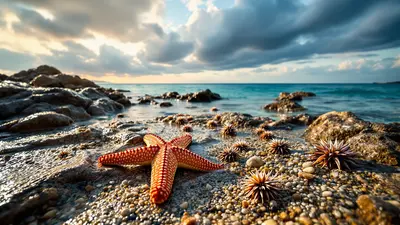
Why Mediterranean Starfish Fascinate Marine Biologists
Discover the secrets of Mediterranean starfish and sea urchins: rare species, fa...