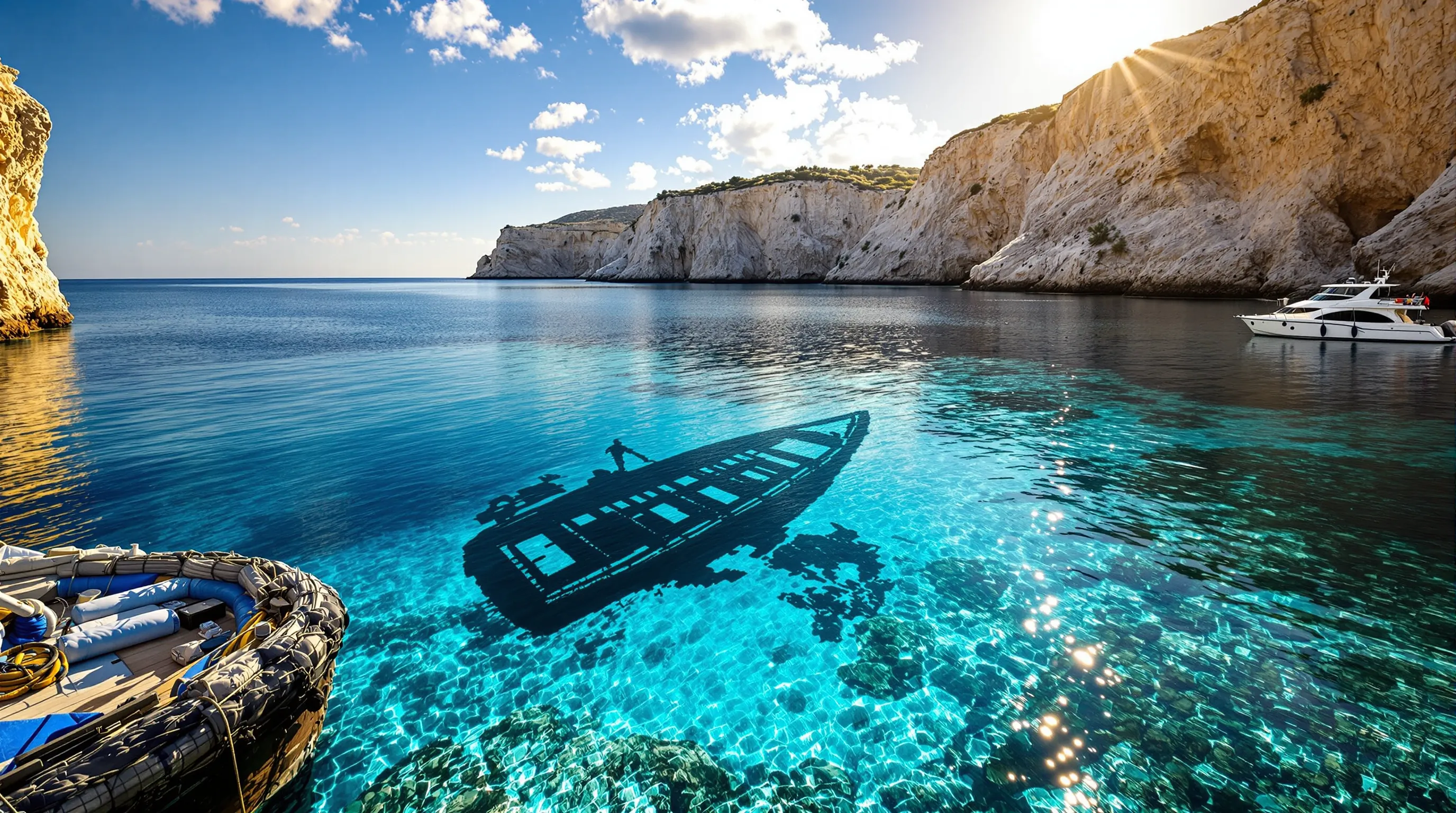
These Mediterranean Wrecks Will Transform Your Scuba Diving Passion
The Mediterranean harbours over 3,000 documented shipwrecks, veritable underwater museums shaped by millennia of maritime history. These exceptional sites offer scuba divers unique experiences, combining historical heritage with remarkable marine biodiversity. From Roman vessels laden with amphorae to modern warships, each wreck tells a fascinating story. Wreck diving in the Mediterranean attracts over 500,000 certified divers annually, seeking the thrill of historical exploration in crystal-clear waters with exceptional visibility conditions often exceeding 30 metres.
Legendary Must-See Mediterranean Wrecks
The Baron Gautsch in Croatia remains the most visited wreck in the Adriatic, sunk in 1914 by an Austro-Hungarian mine. Resting at 40 metres depth, this 85-metre passenger liner offers a technical dive accessible to Advanced Open Water divers. In France, the Donator wreck off Port-Cros presents exceptional biodiversity with its red gorgonians and century-old groupers. The Greek vessel Zenobia in Cyprus, sunk in 1980 with its cargo of lorries, features among the world's top 10 wreck dives according to PADI. These legendary sites require a Nitrox certification, which is highly recommended to optimise bottom times and decompression safety.
Optimal Diving Conditions
Visibility on these wrecks regularly reaches 25 to 35 metres between April and October. Currents generally remain weak, below 0.5 knots, facilitating detailed exploration. Water temperature varies from 18°C in April to 26°C in September, requiring a minimum 5mm wetsuit for thermal comfort during deep dives.
Specific Techniques for Mediterranean Wreck Diving
Rigorous planning is the key to successful wreck diving. Using a Nitrox dive computer allows for 30% increased bottom time compared to standard air. The guide rope technique remains essential for navigating complex superstructures without losing the exit. Experienced divers recommend air consumption not exceeding 15 litres per minute to maintain sufficient autonomy on deep wrecks. Powerful lighting becomes essential: a primary torch of minimum 3,000 lumens and two backup torches guarantee safety and reveal architectural details. Perfect buoyancy preserves fragile structures and prevents sediment disturbance that drastically reduces visibility.
Exceptional Biodiversity of Wreck Ecosystems
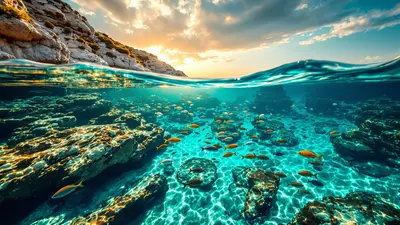
Mediterranean wrecks host remarkable marine fauna, transformed into artificial reefs after several decades of immersion. Red gorgonians (Paramuricea clavata) colonise vertical structures, creating veritable underwater gardens. Brown groupers can reach 1.5 metres and 60kg on ancient wrecks, witnesses to the natural protection offered by these sanctuaries. Mediterranean nudibranchs present exceptional chromatic diversity, with over 40 species recorded. Schools of white seabream and damselfish move around the superstructures, creating a permanent spectacle. This unique biodiversity results from the artificial reef effect and the relative protection from commercial fishing that these often protected sites provide.
Specialised Underwater Photography
Wreck photography requires wide-angle equipment to capture the scale of structures and powerful strobe lighting to reveal natural colours. Settings of ISO 200-400 and aperture f/8-f/11 optimise sharpness on these complex subjects whilst maintaining sufficient depth of field.
Practical Advice for Organising Your Wreck Dives
The optimal season runs from May to October with stable weather conditions and maximum visibility. Prices vary from €45 to €80 per dive depending on destination and included services. Booking is essential 48 hours in advance during peak season for the most sought-after sites. Full-board accommodation at specialist dive centres costs between €80 and €150 per person per day. The total budget for a 5-day stay with 8 dives ranges from €800 to €1,200 per diver, excluding transport. Advanced Open Water and Nitrox certifications are strongly recommended, even mandatory for certain deep wrecks exceeding 30 metres. Specialist DAN diving insurance remains essential to cover the specific risks of this technical activity.
Frequently asked questions
What certification level is required for diving Mediterranean wrecks?
Advanced Open Water (PADI) level is generally required for wrecks situated between 18 and 30 metres. For deeper sites, Deep Diver specialty or equivalent advanced level becomes mandatory. The PADI Wreck Diver specialty provides specific technical training highly recommended for the safety and enjoyment of these particular dives.
What's the best time to dive wrecks in the Mediterranean?
May to October offers optimal conditions with 25-35 metre visibility and temperatures of 18-26°C. July-August presents the best visibility but also the highest tourist numbers. September remains the ideal compromise between excellent weather conditions, water still warm at 22-24°C, and moderate site attendance.
Can you penetrate inside Mediterranean wrecks with scuba gear?
Penetration requires specialised Wreck Diver training and appropriate equipment including guide ropes, multiple torches and communication systems. Only experienced divers with technical certification should venture into passageways. Most tourist wrecks offer external explorations that are equally spectacular and much safer for standard recreational divers.
Mediterranean wreck diving offers a unique experience combining history, technique and marine discovery. These exceptional sites require rigorous preparation and appropriate skills to be fully enjoyed. To organise your next underwater adventure on the Mediterranean's most beautiful wrecks, consult the specialised programmes at dauphin-mediterranee.com and transform your passion into unforgettable memories.
Read also
Why Provençal Waters Transform Your Kayaking and Paddleboarding Experience
Discover why kayaking and paddleboarding along the Provençal coast offers unique...
What local guides reveal about kayaking in the Provençal Mediterranean
Discover the secrets of kayaking and paddleboarding along the Provençal coast: h...
Why These 8 Secret Harbours Transform Your Mediterranean Journey into an Adventure
Discover 8 hidden picturesque harbours along the Mediterranean coast that will r...
Hidden Mediterranean Creatures You'll Encounter This Summer on the Beaches
Discover fascinating Mediterranean marine wildlife: dolphins, grouper fish, posi...