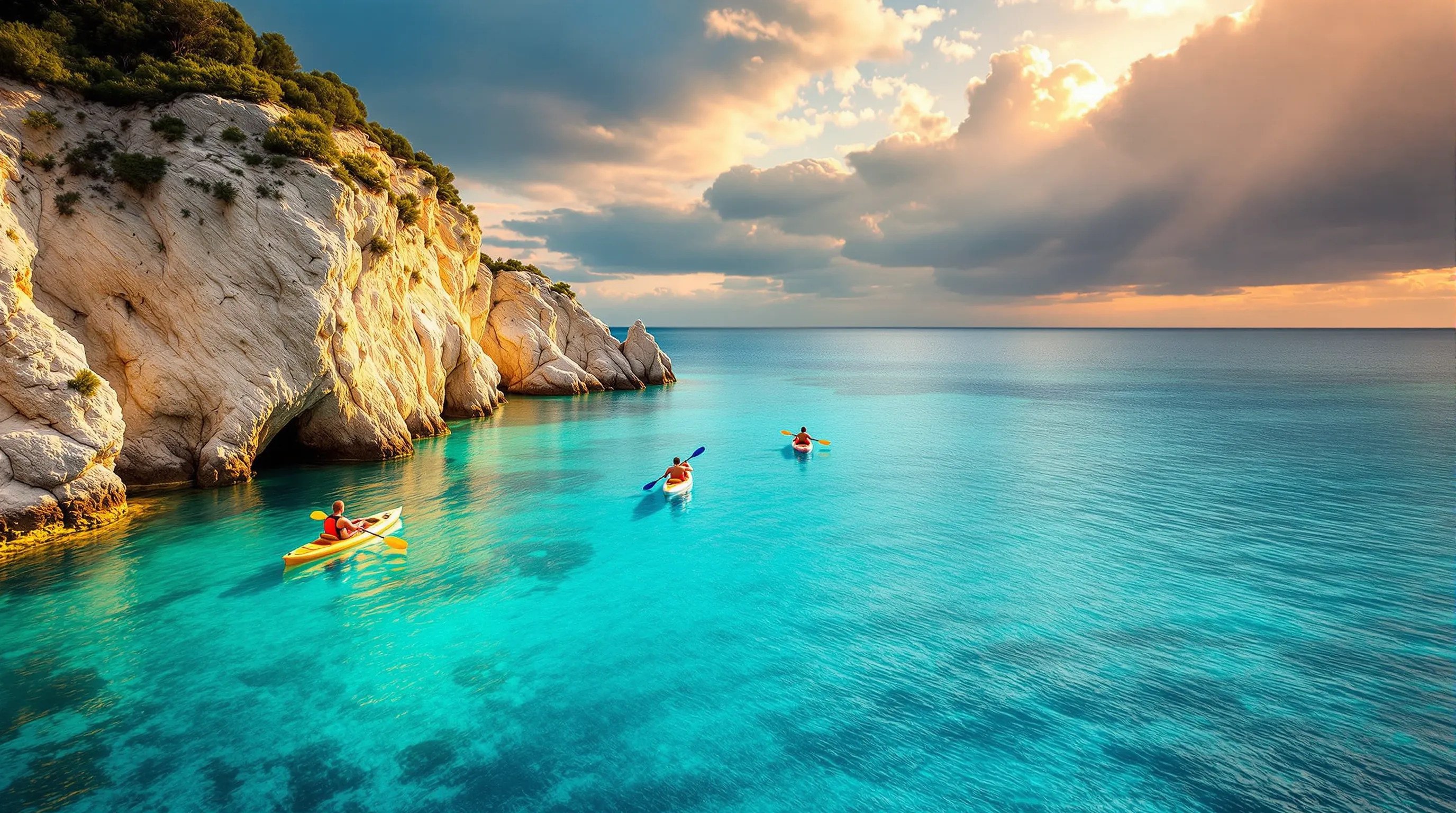
Why Provençal Waters Transform Your Kayaking and Paddleboarding Experience
The Provençal coastline boasts over 400 kilometres of exceptional shores, where 85% of waters display excellent quality according to the French Water Agency. Between Cassis and Menton, the unique conditions created by the mistral winds, limestone geology, and Mediterranean currents provide an unparalleled playground for kayaking and paddleboarding. Water temperatures range from 15°C in March to 24°C in September, enabling practice across 8 months. This rare combination of natural factors transforms each outing into a genuine exploration of the hidden treasures of the French Mediterranean.
Essential Kayaking Spots in Provence
The Marseille calanques represent the absolute jewel with their 20 coves accessible only by sea. Port-Miou, Port-Pin, and En-Vau offer strikingly blue waters, sheltered from winds by 300-metre cliffs. The Frioul archipelago presents 4 islands with exceptional seabeds, visible down to 25 metres depth. Eastward, the Giens Peninsula unveils its preserved lagoons and Posidonia seagrass meadows, the true lungs of the Mediterranean. Each site requires a specific approach: the calanques demand intermediate skills to navigate between rocks, whilst the coves of Bandol suit beginners perfectly with their calm waters and accessible launch beaches.
Navigating the Calanques: Essential Techniques
Navigation in calanques requires mastery of kayaking in choppy waters and precise reading of coastal currents. Thermal winds intensify after 2 PM, creating waves of 0.5 to 1 metre. Favour morning outings between 7 AM and 11 AM to enjoy glass-like seas. Respect ecological mooring zones and marked underwater trails to preserve this unique biodiversity.
Paddleboarding on the French Riviera: Optimal Conditions
The French Riviera benefits from 300 days of annual sunshine and a coastline protected by the Maritime Alps that filter cold winds. Between Antibes and Monaco, sheltered bays offer exceptional paddleboarding conditions with swells rarely exceeding 0.3 metres. The Baie des Anges in Nice allows 2 to 4-hour sessions in complete safety, whilst the Lérins Islands facing Cannes offer sporting crossings of 5 kilometres return. Surface currents remain weak (0.1 to 0.3 knots), facilitating progress even for occasional paddlers. Water transparency regularly reaches 20 metres, revealing rocky seabeds and schools of Mediterranean fish. This exceptional clarity stems from low pollution and currents that constantly renew water masses.
Marine Biodiversity and Accessible Diving Sites
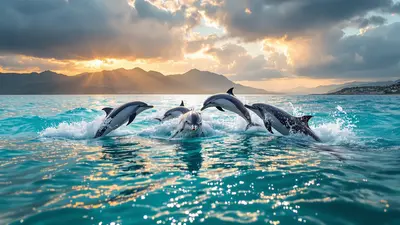
Provençal waters host 10% of Mediterranean biodiversity across just 3% of its surface. By kayak or paddleboard, you'll regularly encounter striped dolphins, present year-round within 2 nautical miles of the coast. Posidonia meadows cover 75,000 hectares and shelter 400 plant and animal species. Rocky drop-offs reveal red gorgonians, grouper, and brown meagre, particularly abundant in the Port-Cros and Scandola marine reserves. Optimal observation occurs between May and October, when underwater visibility exceeds 15 metres. Kayak-accessible diving sites include the Donator wreck near Port-Cros and the underwater caves of the Esterel, genuine natural aquariums preserved by their difficult land access.
Marine Wildlife Encounters: Observation Tips
Dolphins typically appear in groups of 8 to 15 individuals, especially mornings between 8 AM and 10 AM. Maintain a minimum 100-metre distance and avoid sudden movements. Loggerhead turtles frequent shallow seagrass beds: their observation requires a silent approach in natural drift to avoid frightening them.
Practical Tips for Successful Outings
The optimal season extends from April to October with water temperatures varying from 16°C to 24°C. Budget £30-40 per day for rigid kayak rental, £20-30 for paddleboard. Watersports centres offer half-day packages from £35 with qualified instruction. Book 48 hours minimum during peak season (July-August) as demand explodes with a 300% increase compared to the rest of the year. Essential equipment includes a 3mm wetsuit (mandatory before June and after September), life jacket, helmet for rocky calanques, and factor 50+ sun protection. Always consult marine weather forecasts before each outing: winds exceeding 20 knots make navigation dangerous for beginners. Apps like Windfinder and Marine Traffic facilitate real-time planning.
Frequently asked questions
What's the best time for kayaking in the calanques?
The optimal period runs from May to September, preferably May-June and September when crowds are lighter. Morning conditions (7 AM-11 AM) offer calm seas and exceptional visibility. Avoid July-August to escape crowds and temporary access restrictions.
Do you need specific skills to kayak along the Provençal coast?
Sheltered bays like Sanary or Bandol suit beginners, whilst calanques require intermediate level and good physical fitness. Allow 3-4 initiation outings before tackling more technical sites. Professional guidance remains recommended for first calanque explorations.
Can you easily spot dolphins whilst kayaking on the French Riviera?
Sightings are frequent between May and October, particularly off Antibes and Nice. Striped dolphins operate 1-3 miles from shore. Morning outings (8 AM-10 AM) maximise observation chances. Respect a minimum 100-metre distance and avoid pursuing them.
The Provençal coastline offers unique conditions for kayaking and paddleboarding, combining crystal-clear waters, exceptional biodiversity, and preserved natural sites. This maritime richness deserves to be discovered and protected. To deepen your knowledge of Mediterranean marine life and plan your next aquatic adventures, explore dauphin-mediterranee.com.
Read also
What local guides reveal about kayaking in the Provençal Mediterranean
Discover the secrets of kayaking and paddleboarding along the Provençal coast: h...
Why These 8 Secret Harbours Transform Your Mediterranean Journey into an Adventure
Discover 8 hidden picturesque harbours along the Mediterranean coast that will r...
Hidden Mediterranean Creatures You'll Encounter This Summer on the Beaches
Discover fascinating Mediterranean marine wildlife: dolphins, grouper fish, posi...
What Marine Biologists Reveal About Mediterranean Cetacean Watching
Discover expert secrets for spotting whales and dolphins in the Mediterranean. B...