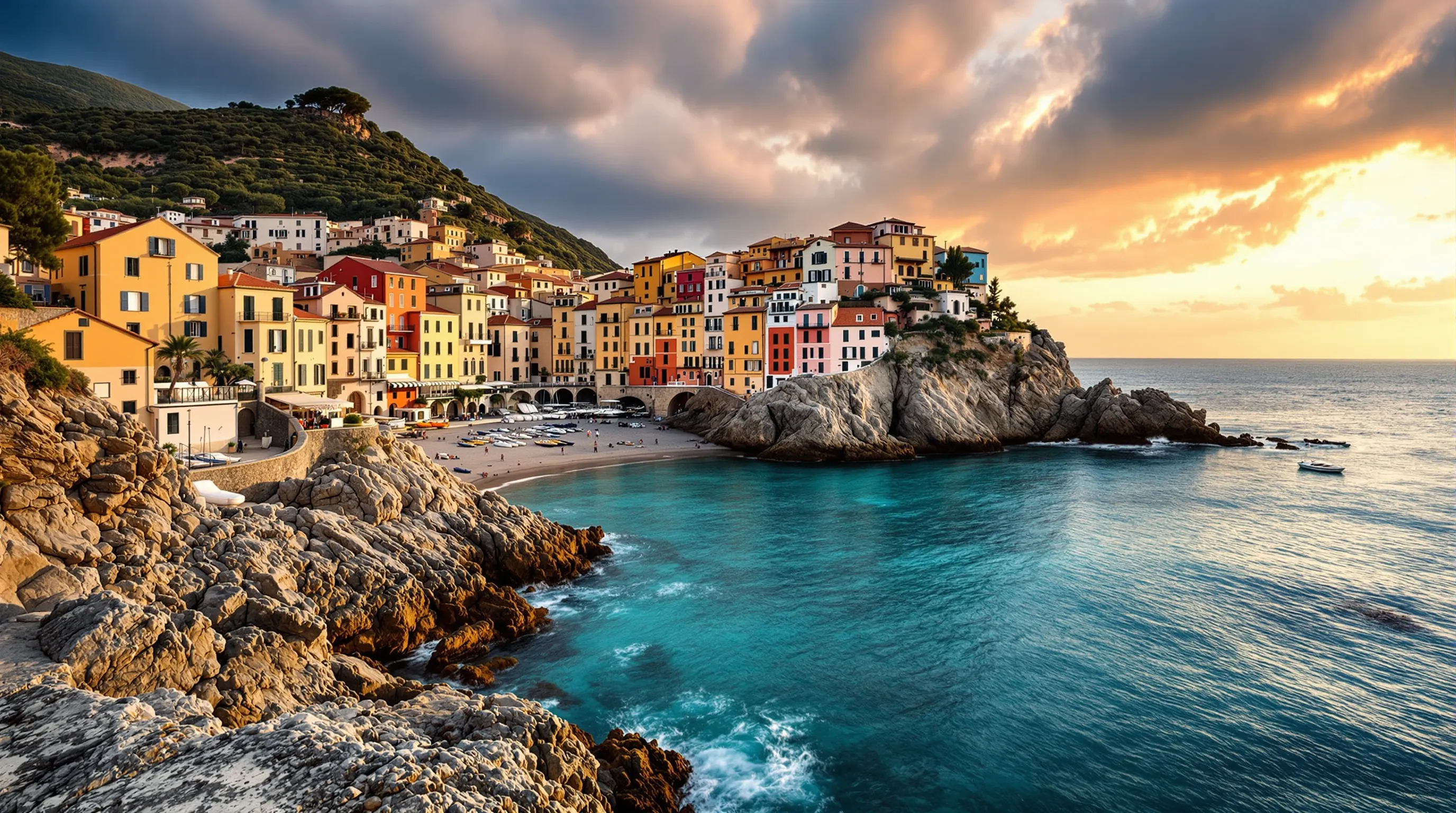
Collioure: The Secret Coves Local Divers Keep to Themselves
The first time I put my head underwater at the Paulilles cove, I was struck by the clarity of the water and by a shoal of white seabream grazing past the shaded rocks. The Vermeille Coast, stretching between Argelès-sur-Mer and Cerbère, offers a rocky shoreline that's rare along the French Mediterranean, shaped by the final foothills of the Pyrenees plunging straight into the sea. Collioure, with its iconic bell tower and hidden coves, is the beating heart of it all. Here, you don't need fancy kit to explore a rich underwater world: seagrass meadows, purple sea urchins, octopuses, and occasionally shoals of juvenile barracuda in summer. It's an accessible playground, as long as you know the right spots.
A unique rocky shoreline between the Pyrenees and the Mediterranean
The Vermeille Coast takes its name from the reddish schist rock that plunges into water often remarkably clear, particularly between Collioure and Banyuls-sur-Mer. Unlike the sandy beaches of neighbouring Roussillon, this stretch of coastline, running some fifteen kilometres to Cerbère, features varied underwater terrain: fissures, modest drop-offs, and rocky boulders colonised by sponges and light-loving algae. This diversity of habitats attracts abundant marine life ideal for coastal snorkelling: white seabream, gilt-head bream, rainbow wrasse, red mullet, and occasionally conger eels tucked into deeper crevices. The protected Cerbère-Banyuls site, France's first marine reserve, established in 1974, safeguards a coastal strip where fishing is restricted, which explains the density of fish spotted by snorkellers. Collioure itself isn't part of the reserve, but it benefits from being close to this protected zone, with fish populations gradually recovering across the wider area.
The Cerbère-Banyuls marine nature reserve
Established in 1974, this reserve spans roughly 6.5 km of coastline and extends up to 1,500 metres offshore. It includes a fully protected zone where diving and fishing are banned, allowing for sightings of dusky groupers, tightly packed shoals of salema, and pristine seagrass beds. Access is mainly from Peyrefite beach in Cerbère or the underwater trail in Banyuls, a marked route that's perfect for an educational introduction to snorkelling, complete with submerged information panels explaining the species you'll encounter.
Where to swim and explore: unmissable spots from Collioure to Cerbère
In Collioure, Boramar beach, right in the heart of the historic centre, makes for an easy first outing, though it's less rich in marine life due to how busy it gets. More rewarding is the cove by the Saint-Vincent islet, reachable by swimming from the harbour or by working your way round the rocks, where the rocky seabed shelters octopuses and blennies. Heading south, Paulilles cove, a former industrial site now restored as a protected natural area by the Conservatoire du littoral, offers clear water and a proper car park, making it ideal for a family snorkelling session. Banyuls-sur-Mer, a little further along, has the marked underwater trail at Troc beach, perfect for beginners thanks to its informative buoys. Finally, Cerbère, the last town before Spain, offers wilder coves such as Peyrefite, known for seabeds rich in gorgonians and fan mussels, a protected species that must never be touched or collected.
Paulilles cove, an unmissable site
This former Nobel dynamite factory site, converted into a 25-hectare nature reserve in 1974, blends industrial history with unspoilt nature. The main cove offers easy access on foot from the car park, calm water suited to children, and shallow rocky seabeds perfect for beginners taking up snorkelling. Common sightings include saddled seabream, salema, and occasionally red starfish clinging to the shaded rocks on the northern side.
When to go: weather, water temperature and crowds
The ideal period runs from June to September, with water typically reaching 22 to 26°C in July and August, warm enough for long snorkelling sessions without a thick wetsuit. June still offers excellent visibility and moderate crowds, before the summer rush of July and August fills the more accessible coves like Boramar or Paulilles to capacity. September remains an excellent choice: the water is still warm, the low light is beautiful for underwater photography, and visitor numbers drop noticeably after 20 August. Wind is a crucial factor on this exposed coastline: the Tramontane, a frequent and sometimes fierce north-westerly, can churn up the sea and reduce visibility for several days running, while the Marin, a rarer easterly wind, brings swell and humidity. It's worth checking wind forecasts the day before heading out rather than just the general weather, as a clear blue sky doesn't guarantee calm seas. Spring (April-May) and autumn (October) are still workable for hardier snorkellers, with cooler water but equally interesting marine life, particularly for spotting juvenile fish.
Getting organised on the ground: kit, ability level and logistics
Snorkelling in Collioure only requires basic kit: a mask, snorkel and fins will do, ideally paired with a rash vest or shorty wetsuit for sensitive skin and protection against sea urchins found on some rocks. Water shoes are strongly recommended along this rocky coastline, where entering the water rarely means stepping onto sand. No technical skill is needed for sheltered coves like Paulilles or the Banyuls trail, but decent fitness and confidence in the sea are essential for exploring more exposed areas such as Cerbère, where currents can be noticeable near the rocky headlands. Allow one to two hours for a satisfying session, and avoid the peak midday sun between noon and 4pm in summer for comfort and sun protection. Several local operators in Collioure and Banyuls offer equipment hire and small-group guided outings, a handy option for discovering the best spots without hunting for them yourself, and for getting a proper briefing on safety and which species to leave well alone.
Safety and good practice when going it alone
Always snorkel with a buddy, never alone, and make your presence known to swimmers and boats using an orange surface buoy, which is compulsory in several zones in the area. Check the swimming flags and steer clear of navigation channels near Collioure harbour. Never touch marine life, particularly protected gorgonians and fan mussels, and keep a respectful distance from any wildlife you encounter, including the occasional dolphin sightings offshore.
Practical tips and responsible tourism
The cost of a day's snorkelling in Collioure depends on whether you already own your gear or opt for hire or a guided outing; prices also vary by season, being higher in July and August, and by the level of guidance chosen (self-guided, small-group guided, or a proper training course). Book guided outings ahead of time during peak season, as slots fill up quickly around the Bastille Day and mid-August bank holiday periods. On the environmental side, the Cerbère-Banyuls reserve enforces strict rules that must be followed to the letter: no fishing, no foraging, no wild anchoring in regulated zones. If you're lucky enough to spot dolphins or a fin whale offshore during a boat trip, ACCOBAMS guidelines apply: keep a minimum distance of 100 metres, never encircle or chase the animals, and cut the engine if one approaches of its own accord. Choose operators with the High Quality Whale Watching label, committed to respectful, educational observation. Finally, apply a biodegradable sun cream before swimming: standard chemical filters contribute to the bleaching of the area's rare coral and put stress on seagrass meadows, a plant essential to the entire Mediterranean ecosystem.
Frequently asked questions
Where can I snorkel in Collioure without a car?
Boramar beach, right in the town centre, is within walking distance of the train station and village. For richer marine life, the Saint-Vincent islet can be reached by swimming from the harbour. For wilder spots like Paulilles or Banyuls, you'll need a bike or the local regional bus network.
Can you see dolphins from the shore in Collioure?
It's rare but possible, especially offshore in late summer when common or Risso's dolphins follow shoals of fish closer to the coast. Boat trips with the High Quality Whale Watching label, run from Port-Vendres or Banyuls, significantly boost your chances of a respectful sighting.
What's the best time of year for snorkelling on the Vermeille Coast?
June to September offers the best combination of water temperature and visibility. June and September are ideal for avoiding the crowds while still enjoying pleasant water, between 20 and 25°C depending on the year and wind exposure.
Is snorkelling suitable for children in Collioure?
Yes, particularly at Paulilles cove and the Banyuls underwater trail, both shallow and sheltered sites. Bring a rash vest, water shoes, and keep constant supervision, as the coastline remains rocky and can be slippery at the water's edge.
Do you need a permit to dive in the Cerbère-Banyuls reserve?
Surface snorkelling is unrestricted in the permitted zones of the reserve, but scuba diving and fishing are banned within the core reserve area without special authorisation. Check with the reserve's visitor centre in Banyuls before heading out to find out the exact boundaries of the protected zones.
Between rocky coves, a historic marine reserve and colourful villages, the Vermeille Coast offers one of the finest snorkelling grounds along the French Mediterranean coastline, suitable for all abilities provided you pick the right spot and the right season. Respecting the Cerbère-Banyuls reserve and keeping a proper distance from marine wildlife will help preserve this unique natural heritage for generations to come. To take your discovery further out to sea and towards the Mediterranean's cetaceans, check out our guides to responsible whale watching at dauphin-mediterranee.com.
Read also

La Ciotat: what lies beneath the turquoise surface at Bec de l'Aigle
Discover La Ciotat differently: hidden calanques, wreck diving and Bec de l'Aigl...

Cap d'Antibes: What the Coastal Path Reveals to Attentive Walkers
Discover the Cap d'Antibes coastal path: hidden coves, wild swimming and Mediter...

What to Do in Nice by the Sea: The Local Guide Rushed Tourists Miss
Local guide to Nice by the sea: beaches, coves, water sports and boat trips. Exp...

Saint-Tropez differently: the secret coves tourists never find
Discover Saint-Tropez differently: wild coves, hidden inlets and boat trips away...