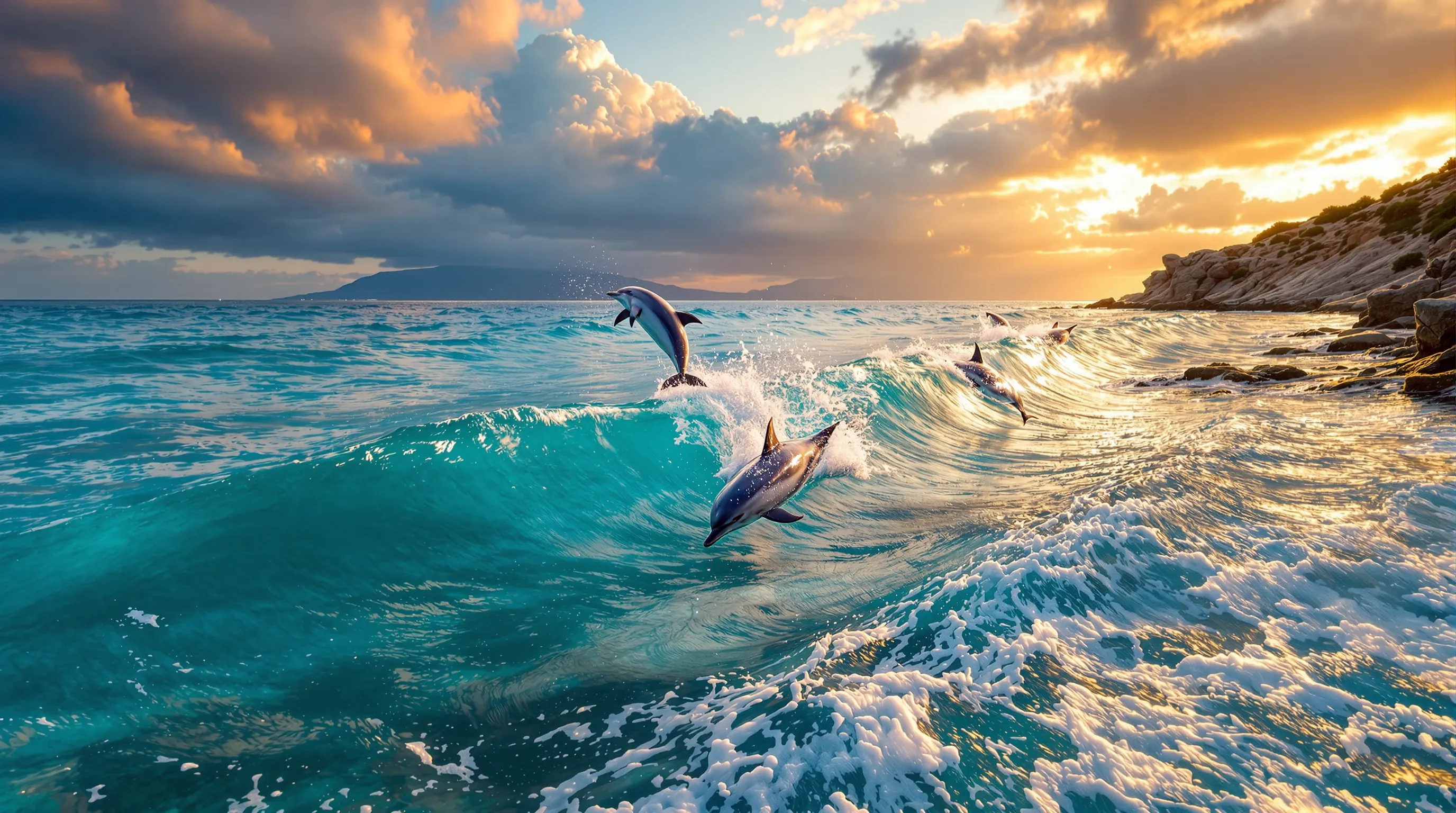
What Marine Biologists Reveal About Dolphin Encounters
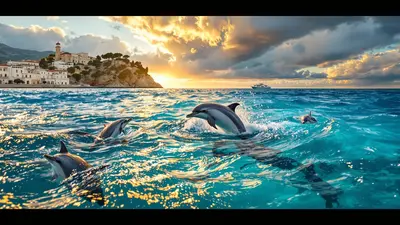
Swimming with dolphins in the Mediterranean captivates thousands of tourists each year. This sea is home to approximately 10,000 dolphins across several species, primarily within the Pelagos Sanctuary between France, Monaco and Italy. However, European legislation strictly prohibits intentional swimming with these marine mammals since 2019. Violations can result in fines of up to £125,000. Despite these restrictions, legal and ethical alternatives exist for observing these majestic creatures in their natural habitat, whilst respecting their welfare and marine ecosystems.
Strict regulations in force
Since 2019, European and French regulations formally prohibit any direct interaction with wild dolphins in the Mediterranean. This ban stems from scientific recommendations demonstrating the negative impacts of mass tourism on these marine mammals. Dolphins alter their natural behaviours, abandon their feeding areas and suffer chronic stress. Financial penalties reach £125,000 for individuals and up to £625,000 for businesses. The coastguard and French Office for Biodiversity carry out regular inspections, particularly during summer in protected areas like the Pelagos Sanctuary.
Penalties enforced
In 2023, 47 fines were issued in French Mediterranean waters for illegal interactions with dolphins. Average fines amount to £1,250 for individuals, but can reach maximum amounts for repeat offences or commercial operations. Vessels may be temporarily impounded.
Where to observe dolphins legally
The Pelagos Sanctuary, a protected area of 87,500 km² between the French Riviera, Liguria and Sardinia, contains the highest density of Mediterranean cetaceans. Prime areas include deep waters off Nice, Antibes and Monaco, where dolphins hunt daily. Striped and bottlenose dolphin populations are particularly numerous there, with sightings possible on 85% of specialised trips. Spanish coasts near the Balearics and the Gibraltar Strait area also offer excellent observation opportunities. These sectors benefit from favourable marine currents that concentrate dolphin prey.
Ethical observation alternatives
Respectful observation from certified vessels represents the main alternative to prohibited swimming. Over 30 approved operators offer eco-responsible trips in French Mediterranean waters, maintaining minimum distances of 100 metres. Excursions typically last 2.5 hours with success rates of 80% during the season. Some centres offer participatory science programmes where tourists contribute to cetacean research. Hydrophones allow listening to dolphin communications without disturbing them. Silent sailing trips provide an even more respectful approach, minimising noise pollution that disturbs marine mammals.
Citizen science programmes
Organisations like Souffleurs d'Écume or GIS3M offer observation missions where participants collect scientific data. These programmes last 3 to 7 days and cost between £375 and £670, including training and professional observation equipment.
Practical advice
The best period runs from May to October, with peak activity in July-August when dolphins are visible on 90% of trips. Prices range from £38 to £71 per adult for a half-day, depending on operator and season. Book 2 weeks in advance during high season. Choose operators with 'Whale Watching' certification respecting approach guidelines. Bring sun cream, windbreaker and waterproof camera. Optimal weather conditions include calm seas with less than 15 knots of wind. Departures typically at 9am or 2pm from Nice, Cannes, Antibes or Monaco ports to maximise sighting chances.
Frequently asked questions
Can you legally swim with dolphins in the Mediterranean?
No, swimming with wild dolphins has been strictly prohibited in the Mediterranean since 2019. This ban aims to protect these marine mammals from stress and behavioural disruption. Violations are punishable by fines of up to £125,000. Only observation at a minimum distance of 100 metres is permitted.
What are the best areas for dolphin watching?
The Pelagos Sanctuary between Nice, Monaco and Italy has the highest concentration of Mediterranean dolphins. Deep waters off the French Riviera, particularly near Antibes and Monaco, offer 85% chance of sightings on specialised trips with approved operators.
How much does a dolphin watching trip cost in the Mediterranean?
Prices range from £38 to £71 per adult for a half-day of ethical observation. Costs depend on season, duration and included services. Citizen science programmes cost between £375 and £670 for 3 to 7 days including training and professional equipment.
Observing dolphins in the Mediterranean remains a magical experience, provided you respect regulations and choose ethical approaches. Legal alternatives offer authentic encounters whilst preserving these exceptional marine mammals. To organise your responsible observation trip, visit dauphin-mediterranee.com and discover certified operators in your area.
Read also
What Experts Reveal About Swimming with Dolphins in the Mediterranean
Discover the truth about swimming with dolphins in the Mediterranean: where to s...
What Captains Hide About Secret French Riviera Cruises
Discover the confidential French Riviera cruises only insiders know about. Exclu...
These Mediterranean Wrecks Hide Treasures That Only Scuba Divers Know
Discover the finest Mediterranean shipwrecks for scuba diving. Expert advice, mu...
What Marine Biologists Reveal About Common Dolphins in the Mediterranean
Discover the secrets of Mediterranean common dolphins revealed by marine biologi...