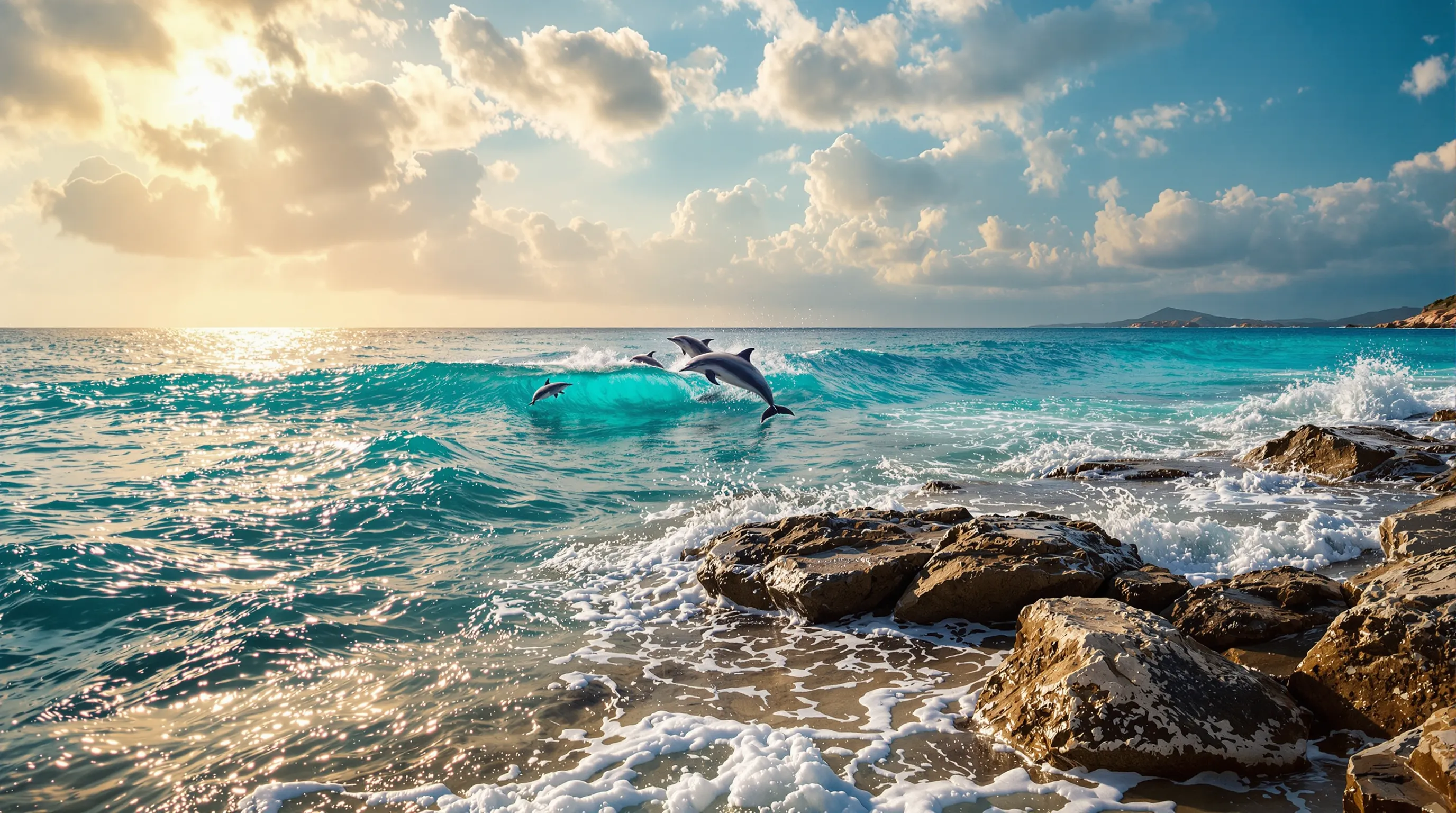
What Experts Reveal About Swimming with Dolphins in the Mediterranean
Swimming with dolphins in the Mediterranean is a dream for thousands of holidaymakers each year. Yet this practice raises important questions about cetacean protection and maritime regulations. The Mediterranean is home to 21 species of marine mammals, including several dolphin populations. Between marine sanctuaries, European legislation and tourist offerings, the reality is more complex than it appears. Discover what you need to know before planning this unique experience.
Regulations on dolphin interaction
In the Mediterranean, swimming with wild dolphins is strictly prohibited in most countries. The European Habitats-Fauna-Flora Directive has protected these marine mammals since 1992. In France, the decree of 1st July 2011 prohibits intentional disturbance of cetaceans, with fines reaching up to £125,000. Spain and Italy apply similar regulations. Only respectful observation from a distance (minimum 100 metres) is permitted. This protection aims to preserve populations of striped dolphins, bottlenose dolphins and Risso's dolphins that frequent our coasts. Infringements are monitored by coastguards and can result in prosecution.
Sanctions and sea patrols
Maritime authorities conduct regular patrols, particularly during summer. Infringements are documented through photographs and witness statements. Fines vary by country: £1,250 to £125,000 in France, up to £25,000 in Spain. Tourism professionals also risk suspension of their operating licences.
Where to legally observe dolphins in the Mediterranean
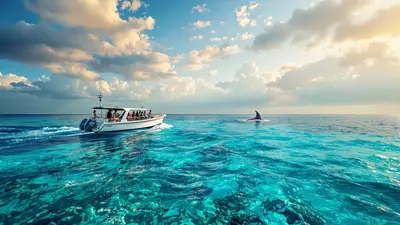
Several prime observation areas offer spectacular encounters whilst respecting regulations. The Pelagos Sanctuary, between France, Monaco and Italy, boasts the highest density of Mediterranean cetaceans with over 8,500 dolphins recorded. The Balearic Islands, Gulf of Lions and Ligurian coast are also renowned. Observation trips organised by certified professionals guarantee compliance with legal distances. These excursions use hydrophones to detect dolphins without disturbing them. Top spots include the underwater canyons off Roses in Catalonia, deep waters off Nice and areas between Antibes and Cannes. The probability of sighting reaches 80% in summer.
Ethical alternatives for approaching dolphins
Several options provide authentic experiences without harming the animals. Research centres like the Cetacean Research Group offer eco-volunteering programmes. Modern aquariums provide educational experiences with captive-bred dolphins, though controversial. Sea trips with marine biologists combine observation with scientific learning. Some rehabilitation centres welcome the public to raise awareness about marine mammal protection. Virtual technologies are also developing: VR headsets, immersive documentaries and mobile apps enable striking virtual encounters. These alternatives respect animal welfare whilst satisfying public curiosity.
Scientific observation programmes
Scientific expeditions open to the public typically last 3 to 7 days. They include theoretical training, data collection and behavioural observation. Average cost: £330 to £670 per person. Booking required several months in advance. These programmes contribute directly to marine research.
Practical tips for successful observation
The optimal period runs from May to September, peaking in July-August when visibility reaches 15 to 20 metres. Book your trips 2 to 3 weeks ahead, especially during peak season. Average budget: £30 to £65 for a half-day, £100 to £165 for a full day with biologist. Depart early morning (7-8am) or late afternoon to avoid strong heat and benefit from calmer seas. Bring sun cream, hat, binoculars and warm clothes for the return journey. Choose operators certified by High Quality Whale Watching or equivalent. Verify the boat has hydrophones and respects the observation charter. Pack seasickness remedies if necessary.
Frequently asked questions
Is it legal to swim with wild dolphins in the Mediterranean?
No, it's strictly forbidden in all European Mediterranean countries. Regulations impose a minimum distance of 100 metres from wild cetaceans. Offenders risk fines from £1,250 to £125,000 depending on the country. Only respectful observation from a distance is permitted.
Where are you most likely to see dolphins in the Mediterranean?
The Pelagos Sanctuary offers 80% chance of sighting in summer. Best spots include the Roses canyons, waters off Nice and between Antibes-Cannes. The Balearic Islands and Liguria are also renowned. Travel between May and September to optimise your chances.
How much does a dolphin watching trip cost in the Mediterranean?
Expect £30 to £65 for a standard half-day, and £100 to £165 for a full day with marine biologist. Eco-volunteering programmes of 3-7 days cost £330 to £670. Book 2-3 weeks ahead during peak season to guarantee your spot.
Observing dolphins in the Mediterranean remains a magical experience, provided you respect their natural environment. Choose trips supervised by certified professionals who guarantee an ethical and educational approach. To discover the best observation spots and book your wildlife-respectful excursion, visit dauphin-mediterranee.com and experience this extraordinary encounter whilst respecting these magnificent marine mammals.
Read also
What Captains Hide About Secret French Riviera Cruises
Discover the confidential French Riviera cruises only insiders know about. Exclu...
These Mediterranean Wrecks Hide Treasures That Only Scuba Divers Know
Discover the finest Mediterranean shipwrecks for scuba diving. Expert advice, mu...
What Marine Biologists Reveal About Common Dolphins in the Mediterranean
Discover the secrets of Mediterranean common dolphins revealed by marine biologi...
What marine biologists reveal about the best time to see whales
Discover when to spot cetaceans in the Mediterranean according to experts. Optim...