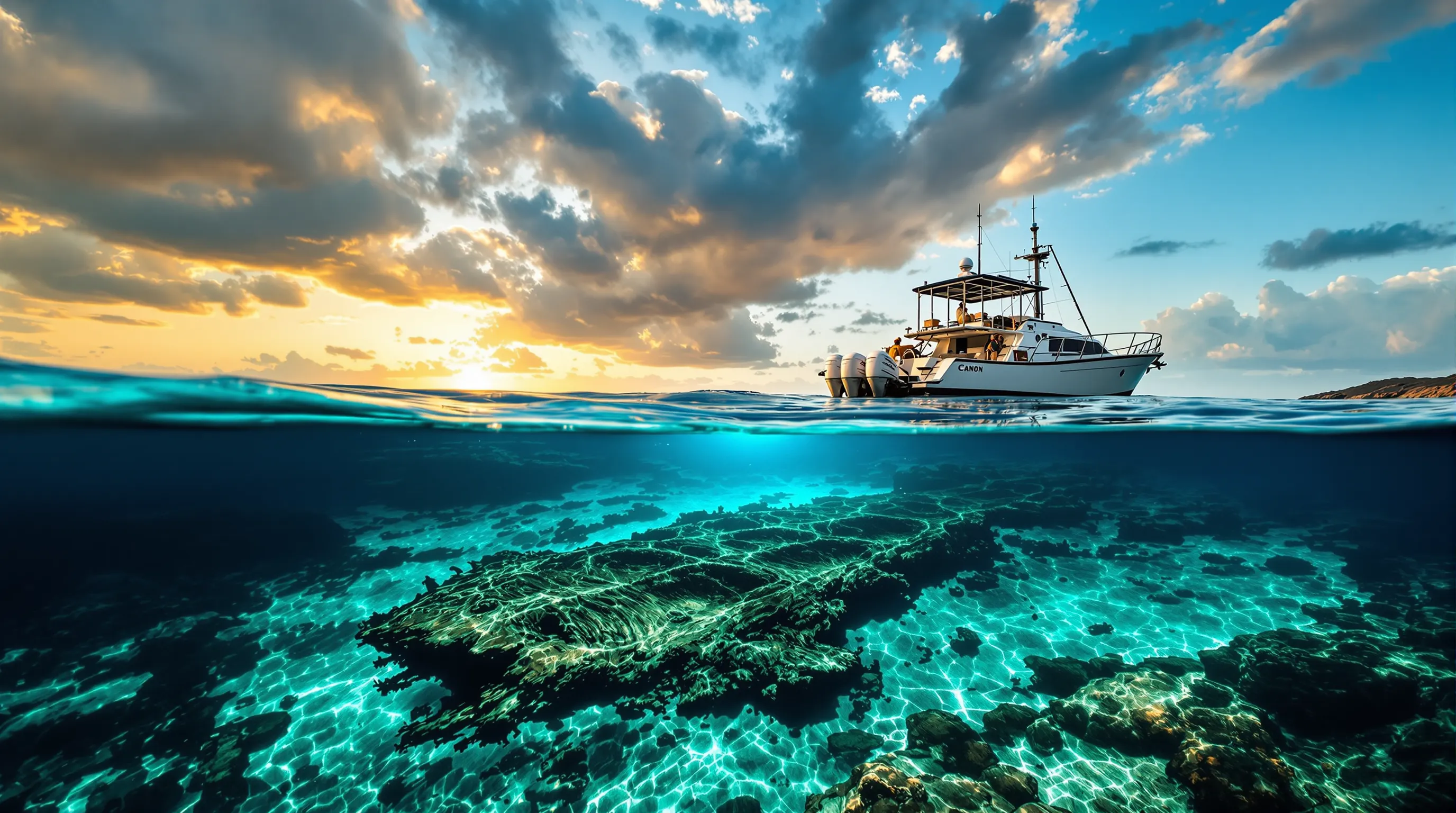
These Mediterranean Wrecks Hide Treasures That Only Scuba Divers Know
The Mediterranean harbours over 3,000 catalogued shipwrecks, bearing witness to 3,000 years of maritime history. From ancient Roman galleys to Second World War destroyers, these underwater relics offer divers unique experiences between 15 and 60 metres depth. The crystal-clear waters provide exceptional visibility up to 40 metres, revealing extraordinary marine biodiversity that has colonised these artificial reefs. Each wreck tells a story, transformed into an underwater oasis where moray eels, groupers and corals create a breathtaking spectacle for scuba diving enthusiasts.
Legendary Wrecks of the Western Mediterranean
The Baron Gautsch off Rovinj remains the most visited Austro-Hungarian wreck in the Adriatic. This 85-metre passenger steamer, sunk in 1914, rests at 40 metres depth in remarkable condition. Experienced divers explore her intact corridors, populated by conger eels and lobsters. In France, the wreck of the Donator near Port-Cros fascinates with her bow pointing skyward from 53 metres depth. This 78-metre cargo vessel, torpedoed in 1945, now harbours exceptional marine life with over 300 recorded species. Visibility regularly reaches 35 metres, offering ideal photographic conditions to capture these underwater cathedrals.
Optimal Diving Conditions
The May to October period guarantees water temperatures between 18°C and 26°C with maximum visibility. Gentle currents allow detailed exploration even for PADI Advanced or CMAS Two Star divers. Most dive centres offer guided excursions with preliminary weather condition analysis to ensure optimal safety on these prestigious sites.
Ancient Wrecks and Archaeological Treasures
Roman shipwrecks in the Mediterranean reveal 2,000 years of commercial history. Off the Îles d'Hyères, the Fourmigues wreck still yields intact wine amphorae at 35 metres depth. Marine archaeologists have identified over 800 amphorae from various origins, testament to ancient trade routes. In Greece, the Alonissos wreck dating from the 5th century BC constitutes the oldest shipwreck accessible to recreational divers. Located at 28 metres, it reveals its cargo of amphorae perfectly preserved in clay. These protected sites require special permits but offer a unique dive through history, where each amphora tells the story of ancient Mediterranean commerce.
War Wrecks and Historical Memory
Mediterranean military wrecks constitute moving underwater memorials. The destroyer USS Jacob Jones off Gibraltar lies at 45 metres, sunk in 1917. Her 4-inch guns still in battery position bear witness to the intensity of naval combat. In Italy, the submarine Scirè near Bergeggi fascinates technical divers. This 60-metre wreck, accessible to CMAS Three Star divers, retains her characteristic streamlined form. Intact portholes and preserved conning tower create a haunting atmosphere. These sites demand absolute respect: no artifact removal and contemplative diving only. The exceptional biodiversity colonising these wrecks transforms these memorial sites into marine sanctuaries of haunting beauty.
Respectful Visiting Protocols
Diving on military wrecks requires a respectful approach to historical memory. Divers follow marked routes without penetrating structures. Photography is encouraged to document these sites' evolution, but any artifact removal remains strictly prohibited under international maritime heritage protection conventions.
Practical Advice for Wreck Diving
A wreck dive costs between £35 and £65 depending on depth and distance. PADI or BSAC certified centres provide detailed briefings including wreck plans and safety instructions. Specialised equipment includes powerful torches, delayed SMB and dive computer with decompression function. The optimal season runs from April to November with exceptional conditions in September-October. Book at least 48 hours in advance for prestigious sites, some requiring harbour master authorisation. BSAC Sports Diver or PADI Advanced constitutes the minimum requirement for most deep wrecks. Specialist wreck courses teach safe penetration techniques and underwater navigation to explore these relics with complete confidence.
Frequently asked questions
What diving qualification do you need to explore Mediterranean wrecks?
BSAC Sports Diver or PADI Advanced Open Water constitutes the minimum requirement. Wrecks between 20-40 metres require Sports Diver certification, whilst deeper sites demand BSAC Dive Leader or technical specialities. Previous experience of 30 dives minimum is recommended to confidently handle these special environments.
What's the best time to dive on Mediterranean wrecks?
May to October offers optimal conditions with maximum visibility and comfortable water temperatures (18-26°C). September and October are particularly favourable with less tourist crowds, calmer seas and exceptional visibility reaching 40 metres on prestigious sites like the Donator or Baron Gautsch.
Can you penetrate inside wrecks during guided dives?
Wreck penetration requires specialist training and appropriate equipment (guideline, redundant lighting). Discovery dives are limited to external structure exploration. Only wreck-certified divers with qualified guides may access corridors and compartments, strictly respecting safety guidelines and local protection regulations.
Mediterranean wrecks offer exceptional dives combining history, biodiversity and thrilling experiences. These underwater cathedrals transform each immersion into a fascinating journey through time. To organise your exploration of these sunken treasures safely, discover our comprehensive guides and expert advice on dauphin-mediterranee.com.
Read also
What Marine Biologists Reveal About Common Dolphins in the Mediterranean
Discover the secrets of Mediterranean common dolphins revealed by marine biologi...
What marine biologists reveal about the best time to see whales
Discover when to spot cetaceans in the Mediterranean according to experts. Optim...
7 Secret French Riviera Beaches Even Locals Don't Know About
Discover 7 secret French Riviera beaches untouched by mass tourism. Hidden coves...
5 Things You Never Knew About the Intelligent Octopuses of the Mediterranean
Discover fascinating secrets of Mediterranean octopuses: intelligence, camouflag...