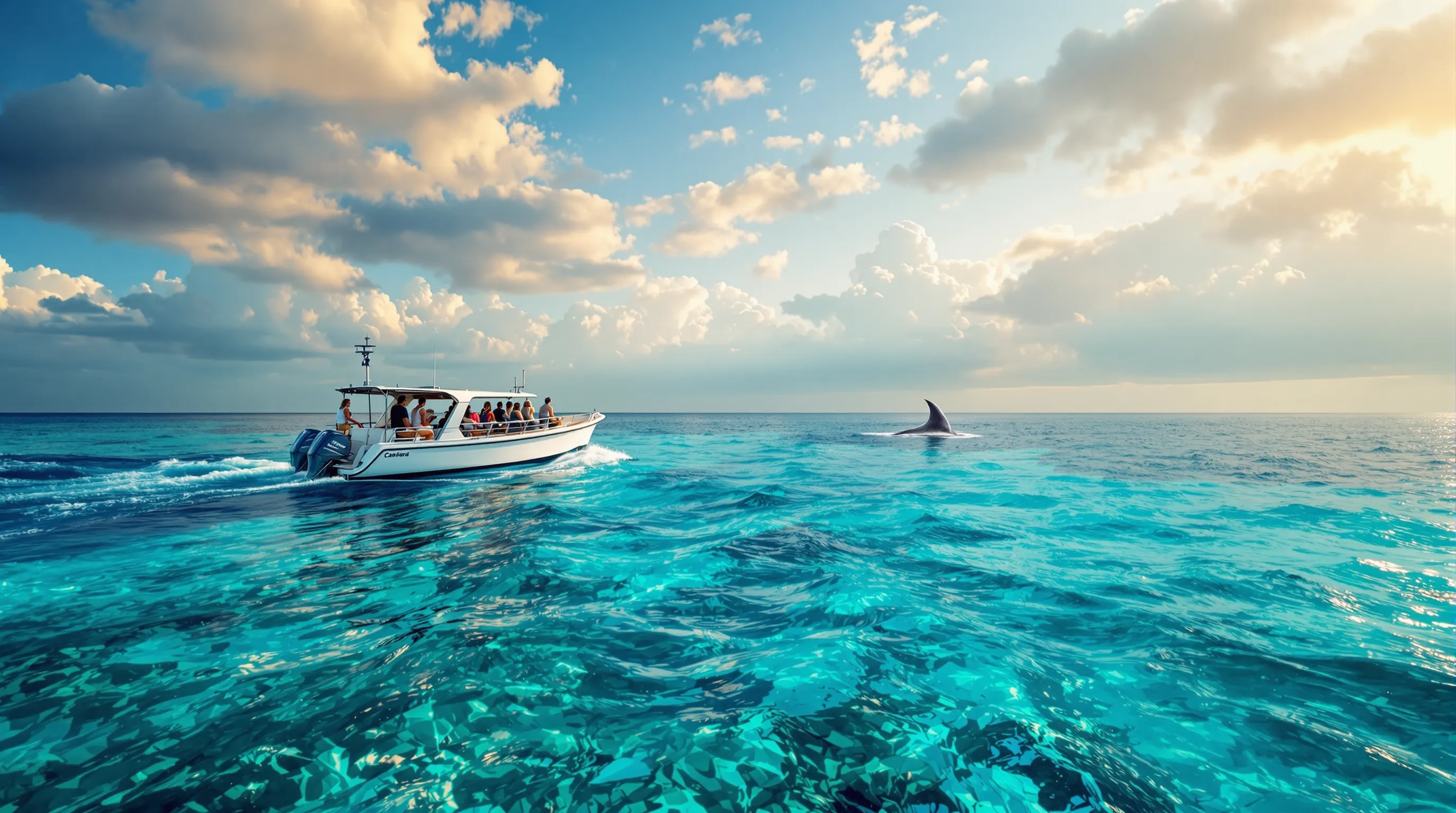
What marine biologists reveal about the best time to see whales
The Mediterranean is home to over 20 cetacean species, from mighty sperm whales to playful striped dolphins. Each year, nearly 150,000 visitors embark on whale watching excursions from French, Italian and Monégasque shores. But did you know that success rates vary from 30% in winter to 95% in summer depending on weather conditions and migrations? Marine biologists from the Pelagos Sanctuary have identified optimal periods for each species, transforming your sea trip into a genuine naturalist adventure.
Mediterranean spring, the season of active migrations
From April to June, the Mediterranean awakens with the massive arrival of krill and fish shoals. Fin whales, the largest cetaceans in the Mediterranean, surface to feed intensively. Mild temperatures (18-22°C) and moderate winds create ideal observation conditions. Biologists record 75% observation success rates during this period. Sperm whales, present year-round, become more active with shallower dives. The period also coincides with the breeding season for many species, offering fascinating social behaviours to observe.
May, the golden month for fin whales
In May, fin whales reach their peak feeding activity. These 20-metre giants surface every 8-12 minutes, compared to 15-20 minutes in winter. Morning trips (7am-10am) offer 85% observation chances according to Pelagos Sanctuary statistics.
Summer, the optimal period with 95% guaranteed success
July and August represent the pinnacle of Mediterranean cetacean watching. Marine biodiversity reaches its peak with 8 species regularly observed: fin whales, sperm whales, pilot whales, striped dolphins, Risso's dolphins, Cuvier's beaked whales, grey dolphins and occasionally sei whales. Warm (24-26°C) and calm waters make spotting easier. Professionals record up to 15 sightings per 4-hour trip. This period coincides with peak tourist season, requiring advance booking of 2-3 weeks. Stable weather conditions allow daily trips with calm to slightly choppy seas.
Autumn and winter, for exclusive observation enthusiasts
From September to March, observation becomes more exclusive with only 30-50% success rates depending on the month. Sperm whales remain present year-round in the Roya Canyon, offering privileged encounters for smaller groups. Autumn (September-November) maintains good conditions with still-warm waters and less crowding. Winter presents weather challenges but reveals unique behaviours: whale songs, compact group formations, synchronised dives. Prices drop by 30-40%, making the experience more accessible. Only experienced operators offer winter trips from Monaco, Antibes and Sanremo.
February-March, the whale song period
In late winter, hydrophones detect intensifying cetacean vocalisations, particularly sperm whale clicks and deep fin whale songs. This increased communication precedes the breeding period, creating exceptional underwater soundscapes for marine bioacoustics enthusiasts.
Practical tips to optimise your whale watching trip
Book your excursions 15 days in advance during peak season; 3-4 days suffice outside summer. Favour morning departures (8am-9am) when seas are calmer and cetaceans active after their nocturnal rest. Average budget: £38-55 per adult depending on season and duration (3-4h). Choose High Quality Whale Watching certified operators guaranteeing compliance with regulatory distances (100m minimum). Prepare for marine conditions: SPF 50+ sun cream, cap, windproof jacket and preventive sea-sickness tablets. Rigid inflatable boats offer more flexibility than large vessels for approaching observation zones. Bring binoculars (8x42 magnification minimum) and camera with telephoto lens.
Frequently asked questions
What's the best period to see whales in the Mediterranean?
July-August offer 95% observation success with 8 species present. May remains excellent with 85% success for fin whales. Spring (April-June) combines good weather conditions and intense cetacean activity during their feeding period.
Can you observe cetaceans in the Mediterranean year-round?
Yes, particularly the resident sperm whales of the Roya Canyon. However, success rates vary: 95% in summer, 75% in spring, 50% in autumn and 30% in winter. Winter weather conditions limit sea trips.
How much does a whale watching trip cost in the Mediterranean?
Budget £38-55 per adult for a 3-4h trip depending on season. Prices drop 30-40% in autumn-winter. Booking recommended 15 days in advance in summer, 3-4 days off-season. Certified operators from Monaco, Antibes, Cannes and Sanremo.
Mediterranean cetacean watching reveals its secrets according to seasons: summer excellence, spring charm or winter intimacy. Each period offers its unique experience in the Pelagos Sanctuary. To enjoy this exceptional natural adventure with expert guides, discover the excursions offered on dauphin-mediterranee.com and book your encounter with the giants of the sea.
Read also
7 Secret French Riviera Beaches Even Locals Don't Know About
Discover 7 secret French Riviera beaches untouched by mass tourism. Hidden coves...
5 Things You Never Knew About the Intelligent Octopuses of the Mediterranean
Discover fascinating secrets of Mediterranean octopuses: intelligence, camouflag...

What Locals Do to Discover Hidden Mediterranean Harbours
Discover secret picturesque harbours along the Mediterranean coast that only loc...

These ancient fishing techniques have preserved the Mediterranean for 3000 years
Discover responsible fishing methods in the Mediterranean that preserve marine e...