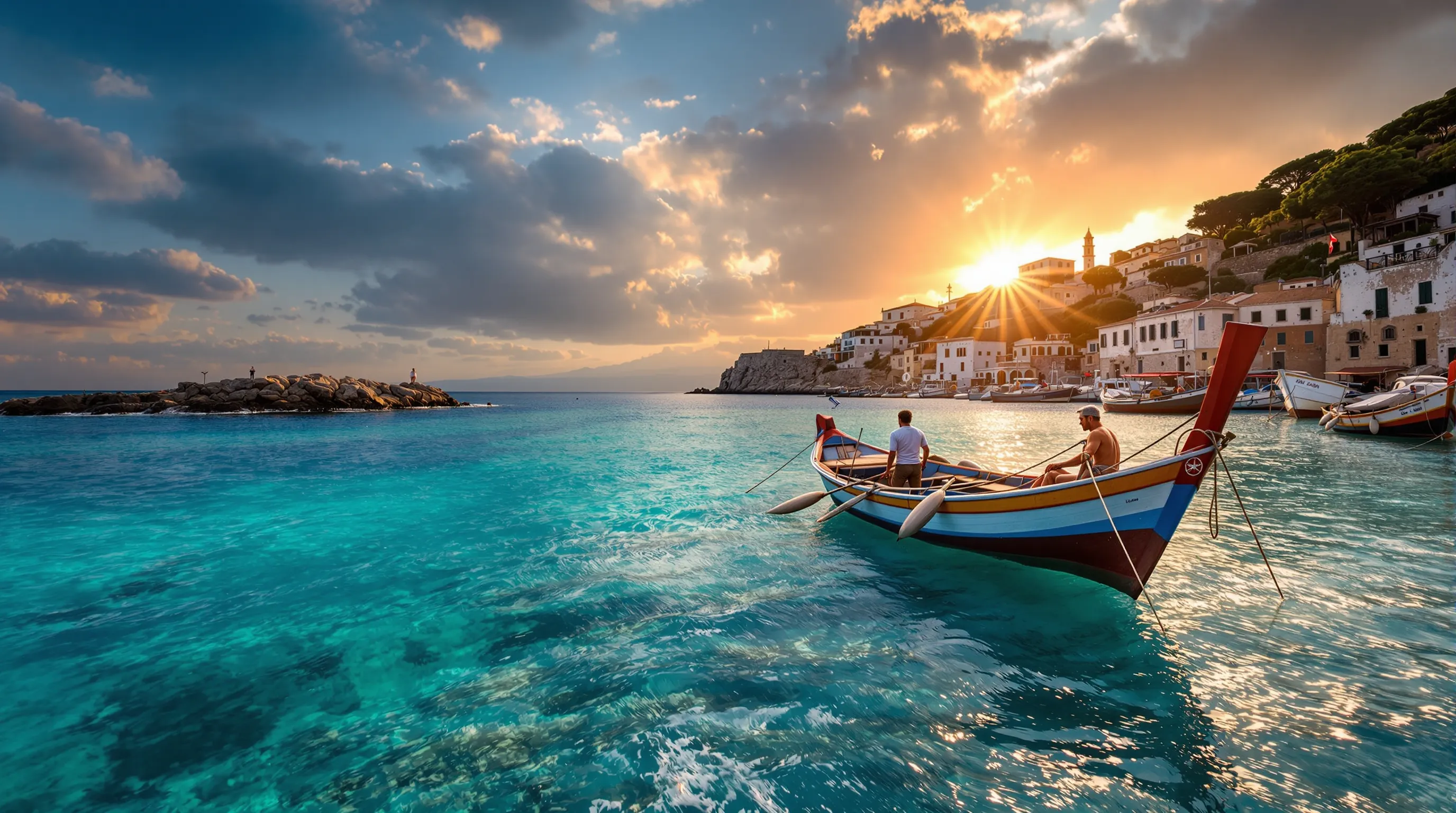
These ancient fishing techniques have preserved the Mediterranean for 3000 years
The Mediterranean is home to 17,000 marine species, 25% of which are endemic. Facing overfishing that threatens this fragile ecosystem, coastal communities are rediscovering the virtues of ancestral fishing techniques. These methods, practised since antiquity, allow selective fish capture whilst preserving juveniles and sensitive species. Between tradition and innovation, responsible Mediterranean fishing now offers sustainable solutions to balance economic activity with marine protection, attracting a new generation of travellers seeking authenticity and ecological consciousness.
Traditional Mediterranean fishing techniques
Longline fishing, practised for over 2,000 years, uses a main line fitted with hooks spaced 2 to 3 metres apart. This method selectively captures large species such as bluefin tuna or swordfish, without damaging the seabed. Trammel nets, consisting of three superimposed layers, enable targeted fishing of rock fish whilst allowing juveniles to escape. In Provence, fishermen still use wicker basket traps to catch octopus and lobsters without environmental impact. These artisanal techniques generate 40% fewer bycatch than modern industrial methods.
Nocturnal lamparo fishing
This emblematic technique practised at night attracts pelagic fish using powerful lamps. Sardines and anchovies naturally rise towards the light, enabling grouped capture without stress. This method preserves the seabed and limits accidental catches of other species.
Environmental impact and species preservation
Responsible fishing zones in the Mediterranean display biodiversity 60% higher than intensively exploited areas. Biological rest periods, respected by traditional fishermen, allow species reproduction for 2 to 4 months according to natural cycles. Mediterranean bluefin tuna, an emblematic threatened species, benefits from strict quotas: 36,000 tonnes authorised in 2024 versus 50,000 in 2010. Marine protected areas, such as Port-Cros, demonstrate that sustainable management increases stocks by 300% in 10 years. This ecological approach now attracts 2.3 million eco-tourists annually to the French Mediterranean coastline.
Destinations and authentic experiences
The Côte d'Azur offers 15 traditional fishing ports open to visitors, from Collioure to Menton. Sea trips with local fishermen, priced between £40 and £70 per person, provide discovery of ancestral techniques whilst tasting the day's catch. Fish markets in Marseille, Nice or Sète offer an immersive experience where stalls exclusively feature local species caught according to seasons. These destinations are developing responsible fishing tourism, generating £150 million in annual economic benefits. Partner restaurants showcase this sustainable fishing by offering traceable menus, indicating capture zones and methods.
Quality labels and certifications
The MSC (Marine Stewardship Council) label certifies 12 Mediterranean fisheries meeting sustainability criteria. Labelled fish are recognised by their distinctive blue logo on market stalls and restaurant menus. This certification guarantees complete traceability from catch to consumer's plate.
Practical advice
The best period to observe responsible fishing extends from April to October, outside biological rest periods. Morning outings (5am-9am) offer the most authentic experience with harbour return and direct sales. Average budget: £50 per person for a half-day including fisherman's breakfast. Booking essential 48 hours in advance through local tourist offices or fishing associations. Equipment provided: sea clothing, oilskins, life jackets. Bring biodegradable sun cream and waterproof camera. Children accepted from age 8 with parental consent. Tasting possible aboard or in partner restaurants with 15% discount on presentation of sea trip ticket.
Frequently asked questions
What's the difference between responsible fishing and traditional fishing?
Responsible fishing combines ancestral techniques with modern stock management. It respects scientific quotas, breeding periods and uses selective methods minimising environmental impact. Fishermen follow continuous training and apply strict traceability protocols to guarantee the sustainability of Mediterranean marine resources.
Can you buy fish directly from Mediterranean fishermen?
Yes, direct sales are possible in 80% of French Mediterranean ports. Fishermen offer their catches upon return from sea, generally between 8am and 11am. Prices 20 to 30% lower than shops, freshness guaranteed. Some ports organise specialist morning markets with oyster and sea urchin tastings according to season.
How can you recognise a restaurant serving sustainably caught Mediterranean fish?
Look for MSC labels, Pavillon France or 'local catch' mentions on menus. Responsible establishments indicate provenance, fishing method and boat name. They offer seasonal species and refuse juvenile fish. Prices reflect quality: expect £20-30 for a main course of noble fish caught locally.
Responsible Mediterranean fishing represents the future of sustainable coastal tourism. Between tradition and innovation, it offers authentic experiences whilst preserving our marine ecosystems. To discover these natural treasures and encounter the dolphins that inhabit these preserved waters, visit dauphin-mediterranee.com and book your next responsible maritime adventure.
Read also

What Naturalists Discover on Cruises Departing from Nice
Discover the secrets of naturalist cruises from Nice: dolphin watching, Pelagos ...
10 Secret Mediterranean Snorkelling Spots Only Locals Know About
Discover the 10 best Mediterranean snorkelling spots - hidden gems with crystal-...

These Ocean Giants Will Transform Your Mediterranean Experience
Discover Mediterranean sperm whales, these fascinating marine giants. Best spott...

What Locals Keep Secret About Antibes' Hidden Watersports
Discover Antibes' lesser-known nautical activities on its stunning peninsula. Se...