10 Secret Mediterranean Snorkelling Spots Only Locals Know About
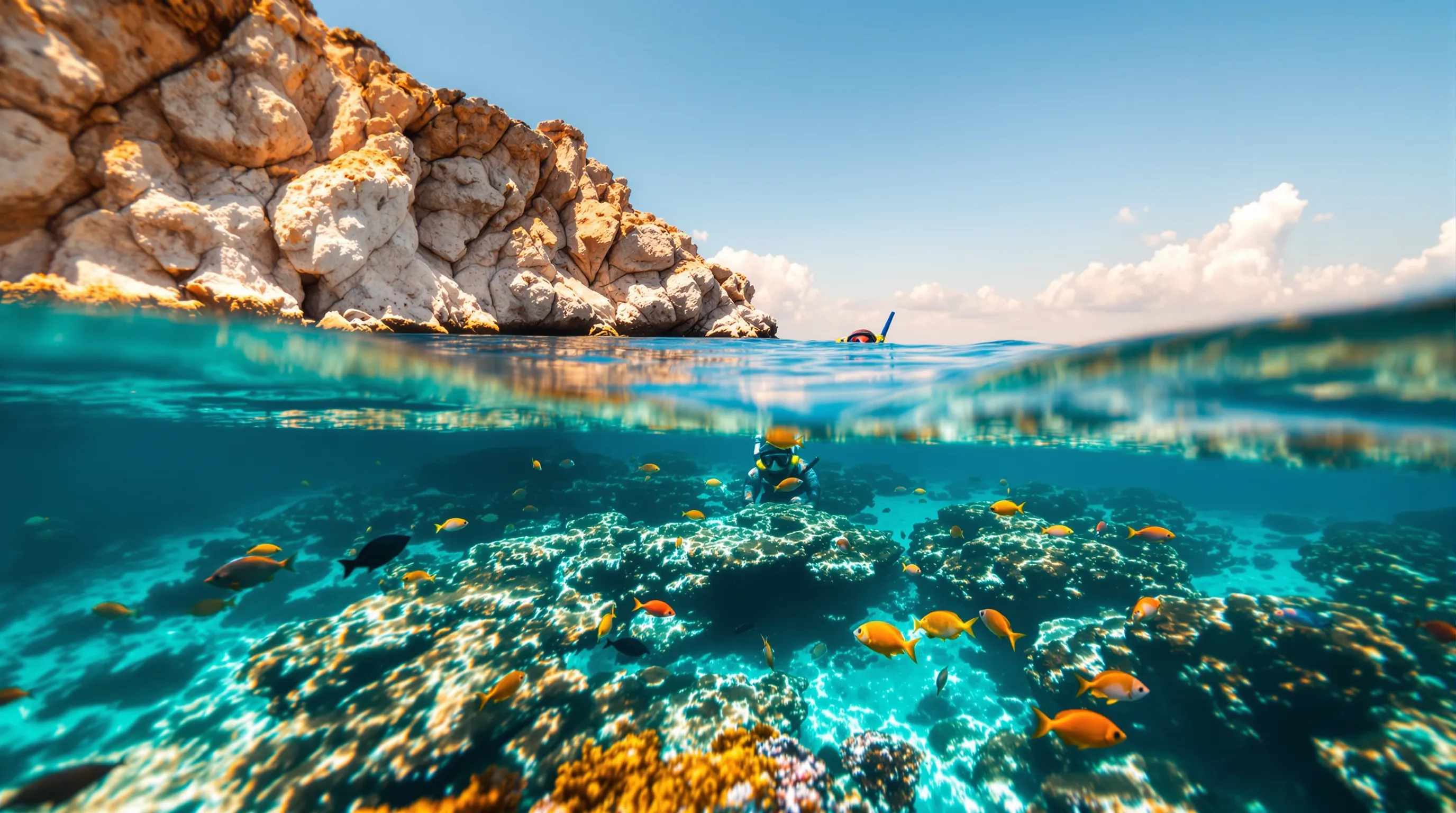
The Mediterranean is home to over 700 fish species and 17,000 different marine species. Its crystal-clear waters offer exceptional visibility reaching up to 40 metres in certain privileged spots. From the French Riviera to the Greek coastline, via Italy and Spain, ten exceptional sites stand out for their underwater richness and accessibility. These hidden gems, often unknown to the general public, reveal preserved ecosystems where colourful fish, coral formations and Posidonia seagrass beds create a breathtaking natural spectacle.
French Treasures: Côte d'Azur and Corsica
The Scandola Nature Reserve in Corsica offers exceptional 35-metre visibility and shelters 450 algae species. These protected waters reveal century-old groupers weighing up to 60kg. Port-Cros, France's first marine national park established in 1963, guarantees encounters with barracuda, dentex and sea bream. Palombaggia Bay unveils sandy bottoms dotted with pink granite rocks sheltering peacock wrasse and scorpionfish. Cap d'Antibes offers spectacular rocky drop-offs with constant 25-metre visibility. Posidonia seagrass meadows, true marine lungs, filter 20 litres of water per day per square metre.
Scandola Reserve: A Preserved Sanctuary
A UNESCO site since 1983, this reserve has been fishing-free for 40 years, revealing exceptional biodiversity. Brown meagre here reach record sizes of 50cm. Boat access from Calvi or Porto costs £35-55. The best periods span June to October with water temperatures of 18-24°C.
Italian Gems: From Liguria to Sardinia
The Cinque Terre offer pristine seabeds with average 20-metre visibility. Monterosso reveals underwater caves populated with moray eels and conger eels. Isola Bella in Sicily, a nature reserve since 1998, shelters 60 Mediterranean fish species across just 4 hectares. Sardinia's Costa Smeralda unveils emerald waters with unique granite formations. Capo Testa offers natural swim-throughs in rocks sculpted by 300 million years of erosion. Portofino, a 346-hectare marine protected area, guarantees observation of century-old red gorgonians and schools of chromis. Temperatures range between 16°C in April and 26°C in September.
Spanish and Greek Jewels: Diversity Guaranteed
Cabo de Gata in Andalusia features unique volcanic seabeds with 1,400 catalogued species. The Balearic Islands offer spectacular underwater caves: Sa Dragonera reveals natural tunnels 15 metres deep. Zakynthos in Greece unveils 120kg loggerhead turtles swimming in waters averaging 22°C. The Cyclades islands present vertical drop-offs populated with groupers and sea bream. Mykonos hides ancient wrecks at 8 metres depth. Santorini offers black volcanic seabeds contrasting with cobalt-blue waters. Exceptional 30-40 metre visibility allows observation of barracuda schools and common dolphins.
Zakynthos: Marine Turtle Sanctuary
Laganas Bay welcomes 1,300 annual loggerhead turtle nestings. These marine reptiles, present for 100 million years, measure up to 1.20 metres. Respectful observation takes place early morning between May and October. Guided excursions cost £20-30 and last 3 hours.
Practical Tips for Optimising Your Sessions
The ideal period spans May to October with water temperatures of 18-26°C. A 3mm wetsuit suffices in summer, 5mm recommended in spring. Complete equipment (mask, snorkel, fins) costs £35-70. Guided excursions range from £20 in Greece to £55 in Corsica. Book 48 hours ahead in high season. Best conditions occur mornings before 11am with winds below 15 knots. Check marine weather bulletins and respect protected zones. Average daily budget: £25-45 including equipment and transport. Choose PADI or SSI certified centres for safety.
Frequently asked questions
What's the best time for snorkelling in the Mediterranean?
The optimal period runs from May to October with water temperatures of 18-26°C. June to September offer the best visibility conditions with calm waters and active marine life. Avoid November to March: cold waters (13-16°C) and challenging weather conditions.
What snorkelling kit should I choose for the Mediterranean?
Silicone mask with opaque skirt, semi-dry snorkel with purge valve, and adjustable foot-pocket fins. 3mm wetsuit in summer, 5mm in spring/autumn. Choose brands like Cressi, Mares or Scubapro. Budget £35-70 for complete quality equipment.
Can you spot dolphins whilst snorkelling in the Mediterranean?
Yes, particularly off the French Riviera, in Sardinia and around the Balearics. Striped dolphins move in groups of 10-30 individuals. The Pelagos Sanctuary offers 85% observation chances between May and September. Maintain a minimum 100-metre distance.
These ten spots reveal the Mediterranean's unsuspected richness - a natural aquarium sheltering 7% of global marine biodiversity. Each site offers a unique experience, from Corsica's turquoise waters to Santorini's volcanic seabeds. Start planning your next underwater adventure now and discover these preserved ecosystems. To enhance your knowledge of Mediterranean marine life, consult our expert guides on dauphin-mediterranee.com.
Read also
These Ocean Giants Will Transform Your Mediterranean Experience
Discover Mediterranean sperm whales, these fascinating marine giants. Best spott...
What Locals Keep Secret About Antibes' Hidden Watersports
Discover Antibes' lesser-known nautical activities on its stunning peninsula. Se...
What Marseille Calanques diving guides are hiding about underwater treasures
Discover the secret diving spots in Marseille Calanques that only local guides k...
These 12 Secret Mediterranean Ports That Even Locals Don't Know About
Discover 12 hidden picturesque ports along the Mediterranean coast, far from tou...