What Naturalists Discover on Cruises Departing from Nice
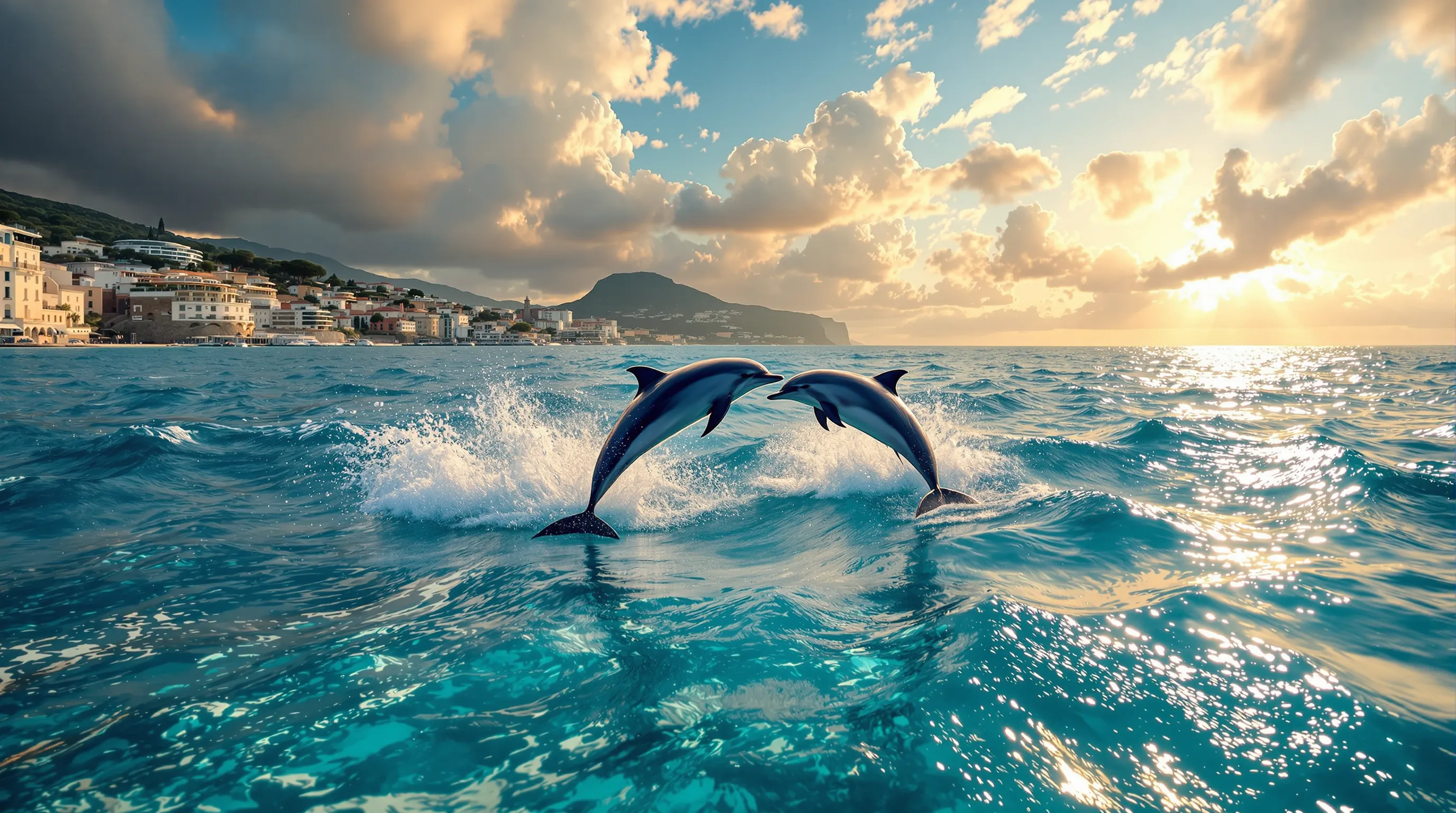
Nice serves as one of the premier departure points for exploring the international Pelagos Sanctuary, the largest marine protected area in the Mediterranean. This 87,500 km² zone is home to 8,500 species of cetaceans and marine turtles. Naturalist cruises offer opportunities to observe striped dolphins, sperm whales and pilot whales in their natural habitat. From Nice harbour, these scientific excursions provide a respectful approach to marine wildlife, guided by experienced marine biologists who share their knowledge of this exceptional ecosystem.
The Pelagos Sanctuary: a unique ecosystem in the world
The Pelagos Sanctuary extends from the French coast to Italian and Corsican waters, creating a triangle of exceptional biodiversity. This area benefits from particular marine currents that bring nutrients from the depths to the surface, creating an upwelling phenomenon. This nutritional richness attracts krill and small fish, which form the basis of cetacean diet. The deep waters of the Nice canyon, which plunge to over 2,000 metres just 20 kilometres from the coast, provide ideal habitat for pelagic species. Stable temperatures between 13 and 24°C depending on season maintain this remarkable biodiversity.
Exceptional underwater geography
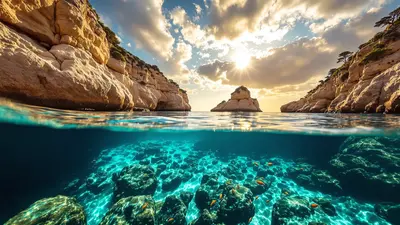
The narrow continental shelf of the French Riviera drops rapidly towards the abyss, creating a unique environment. This particular geological configuration concentrates marine life in a restricted area, facilitating species observation during naturalist cruises from Nice.
Scientific observation of Mediterranean cetaceans
Naturalist cruises departing from Nice enable observation of up to 12 different cetacean species. Striped dolphins represent 90% of sightings, with pods that can number up to 200 individuals. Sperm whales, present year-round, dive to depths of 2,000 metres to hunt giant squid. Pilot whales, recognisable by their bulbous heads, travel in family groups of 20 to 30 individuals. Fin whales, the second largest whale in the world at 20 metres length, migrate primarily between April and October. The success rate for sightings reaches 95% on these specialised cruises.
Environmentally respectful observation methods
Naturalist cruises apply the international cetacean approach protocol, maintaining a minimum distance of 100 metres. Boats cut their engines during extended observations and limit passenger numbers to a maximum of 12 people. The use of hydrophones allows listening to dolphin and whale communications without disturbing their behaviour. Embarked marine biologists collect valuable scientific data: photo-identification, feeding behaviours, group sizes. This scientific approach contributes to marine conservation research whilst raising public awareness about ocean protection.
Professional observation equipment
Cruises utilise stabilised marine binoculars, professional-quality hydrophones and telephoto camera equipment. These tools enable optimal observation whilst respecting regulatory distances from marine wildlife.
Practical advice for your naturalist cruise
The best period extends from May to September, with optimal weather conditions and maximum visibility. Morning departures between 8am and 10am offer calmer seas and more intense animal activity. Budget £120 to £160 per person for a 6 to 8-hour trip with embarked biologist. Book 15 days in advance during peak season, as demand is high. Bring biodegradable sun cream, hat, windbreaker and non-slip shoes. Children are accepted from age 8, with preferential rates often applied. Check weather conditions 24 hours before departure, as trips may be cancelled in rough seas.
Frequently asked questions
What is the average duration of a naturalist cruise from Nice?
Naturalist cruises typically last between 6 and 8 hours, with morning departure around 8:30am and return in late afternoon. This duration allows reaching optimal observation zones 15-20 kilometres from the coast and observing several cetacean species.
Can dolphins be observed year-round departing from Nice?
Yes, striped dolphins are present year-round in the Pelagos Sanctuary. However, the period from May to September offers the best observation conditions with calmer seas and optimal visibility. The success rate reaches 95% during this period.
Do Nice naturalist cruises accept children and families?
Children are generally accepted from age 8 on naturalist cruises. Family rates are often available, and guidance by marine biologists makes the experience educational. However, bear in mind that the trip lasts several hours at sea.
Naturalist cruises departing from Nice offer a unique experience observing Mediterranean cetaceans whilst respecting their natural environment. This scientific and educational approach raises awareness of marine conservation whilst discovering the exceptional richness of the Pelagos Sanctuary. To book your dolphin and whale watching cruise, consult specialist offers on dauphin-mediterranee.com and experience this unforgettable naturalist adventure.
Read also
10 Secret Mediterranean Snorkelling Spots Only Locals Know About
Discover the 10 best Mediterranean snorkelling spots - hidden gems with crystal-...
These Ocean Giants Will Transform Your Mediterranean Experience
Discover Mediterranean sperm whales, these fascinating marine giants. Best spott...
What Locals Keep Secret About Antibes' Hidden Watersports
Discover Antibes' lesser-known nautical activities on its stunning peninsula. Se...
What Marseille Calanques diving guides are hiding about underwater treasures
Discover the secret diving spots in Marseille Calanques that only local guides k...