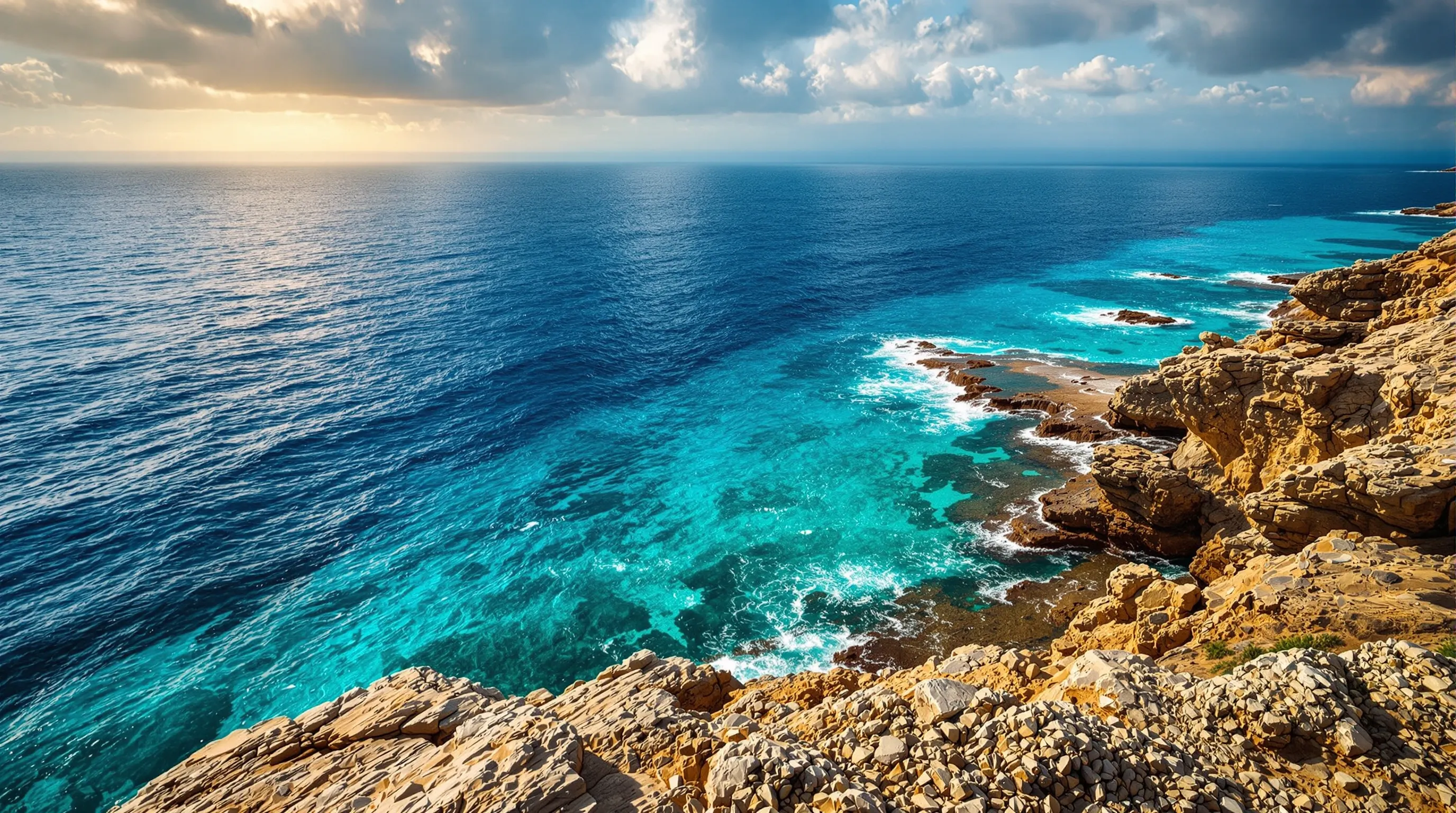
What Biologists Are Discovering About Sperm Whales in the Mediterranean
Sperm whales have frequented the Mediterranean for millennia, but recent research is revealing fascinating behaviours. Approximately 2,500 individuals inhabit the Mediterranean basin, primarily within the Pelagos Sanctuary between the French Riviera, Liguria and Monaco. These ocean giants, which can reach 18 metres in length and dive to depths of 2,000 metres, offer exceptional sightings to fortunate visitors. The deep waters off Cannes, Nice and the Var region constitute their preferred hunting grounds for capturing squid and octopus.
Population and Distribution of Mediterranean Sperm Whales
The Mediterranean sperm whale population represents a unique sub-population, genetically isolated from Atlantic populations for 10,000 years. Biologists estimate their numbers between 2,200 and 2,700 individuals distributed throughout the basin. The Pelagos Sanctuary, a protected area covering 87,500 km², hosts the highest concentration with approximately 150 to 200 resident sperm whales. These cetaceans favour waters deeper than 1,000 metres, typically located 15-20 kilometres from French and Monégasque coasts. Females and their calves remain in the warmer southern waters, whilst adult males travel greater distances.
Main Concentration Areas
Sperm whales primarily gather in three zones: the Monaco Canyon, the abyssal plains off Antibes, and the deep waters between Toulon and Marseille. These areas offer favourable bathymetry for their deep dives and abundant cephalopods, their main food source.
Feeding Behaviour and Record-Breaking Dives
Mediterranean sperm whales perform spectacular dives that can last 90 minutes and reach depths of 2,000 metres. They consume 3% of their body weight daily, approximately one tonne of food for an adult. Their diet consists of 80% squid of various species, supplemented by octopus and occasionally fish. Echolocation enables them to locate prey in the abyssal darkness. Each sperm whale possesses a unique click pattern, a true acoustic signature allowing researchers to identify them individually. Family groups communicate through specific codas, rather like local dialects passed down through generations.
Threats and Conservation in the Mediterranean
Mediterranean sperm whales face unique challenges related to intense maritime traffic and plastic pollution. Each year, 15% of strandings reveal stomachs filled with plastic debris. Ship strikes represent the primary cause of mortality, particularly in shipping lanes between France, Italy and Spain. Noise pollution from vessels also disrupts their vital echolocation used for hunting. Fortunately, the Pelagos Sanctuary imposes speed restrictions and specific shipping corridors. Research programmes such as those by the Tethys Institute enable regular population monitoring and photo-identification of individuals.
Current Protection Efforts
The ACCOBAMS protocol coordinates cetacean protection across the Mediterranean with concrete measures: reduced maritime traffic in sensitive areas, acoustic monitoring and awareness campaigns. These initiatives show encouraging results in stabilising the population.
Practical Tips for Whale Watching
Observing sperm whales requires an organised sea excursion from Cannes, Antibes, Nice or Monaco, with costs ranging from £40-55 per person. The best period extends from May to October, with peak activity in July and August. Morning departures (8am-12pm) generally offer better weather conditions and greater chances of sightings. Book 48 hours in advance during high season, as places are limited to 12 people per boat to minimise impact. Bring sun cream, a hat and warm clothing for the return journey. Certified operators maintain a minimum distance of 100 metres and cut engines during observations to avoid disturbing the animals.
Frequently asked questions
What's the best time to see sperm whales in the Mediterranean?
From May to October, with peak sightings between July and September. Weather conditions are optimal and sperm whale activity is most intense. Morning departures between 8am and 12pm offer the best chances of observation in the Pelagos Sanctuary.
How much does a sperm whale watching trip cost from the French Riviera?
Between £40 and £55 per person for a half-day excursion, depending on the operator and season. Prices generally include a naturalist guide and observation equipment. Booking 48 hours in advance is recommended during high season.
How far from the coast can you observe sperm whales in the Mediterranean?
Sperm whales typically inhabit waters 15 to 25 kilometres from shore, in depths exceeding 1,000 metres. Excursions last 3-4 hours to reach their habitat in the Pelagos Sanctuary off Cannes, Antibes and Monaco.
Mediterranean sperm whales offer a unique whale watching experience accessible from our French coastline. These marine giants continue to fascinate scientists and visitors alike with their remarkable behaviours and adaptation to our enclosed sea. Discover other Mediterranean marine wonders at dauphin-mediterranee.com and plan your next encounter with the exceptional wildlife of our waters.
Read also

What Pro Photographers Hide About Succeeding Underwater in the Mediterranean
Discover the secret techniques professional photographers use to capture Mediter...
Why the calanques transform your kayaking trip into an unforgettable adventure
Discover the most beautiful kayaking and paddleboarding spots on the Provençal c...

What the Secret Behaviour of Mediterranean Dolphins Reveals
Discover the fascinating secrets of Mediterranean common dolphins: unique behavi...
What Mediterranean Sailors Really Know About Whales
Discover where and when to spot whales in the Mediterranean with expert tips. Se...