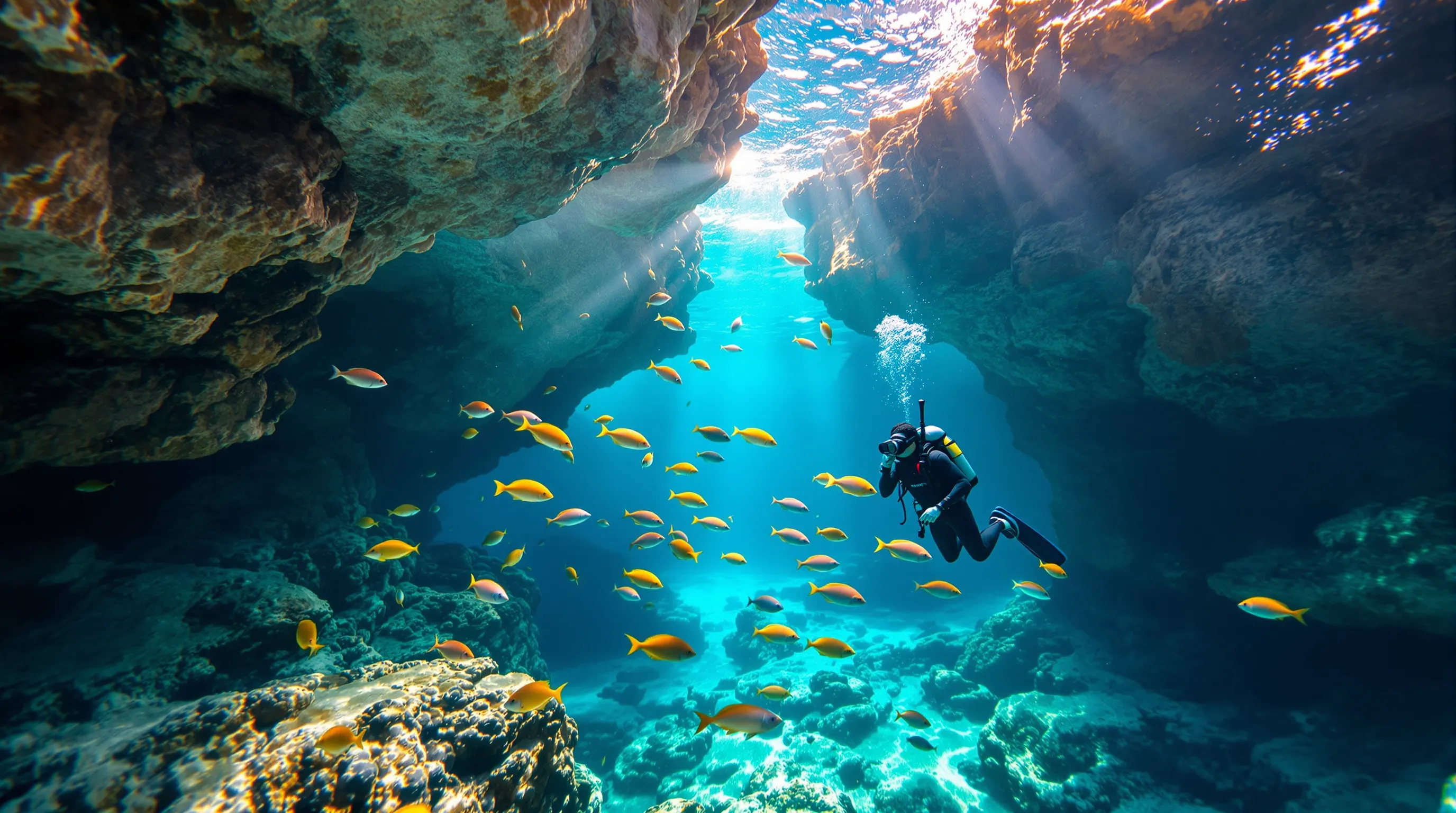
What Professional Photographers Reveal About Underwater Photography in the Mediterranean
The Mediterranean harbours 17,000 marine species in its crystalline waters, offering an exceptional playground for underwater photography. From the caves of Bonifacio to the drop-offs of Monaco, each dive reveals unexpected visual treasures. Yet capturing this beauty requires precise technical mastery and thorough knowledge of marine behaviour. Professional photographers employ specific methods to showcase this unique biodiversity, transforming each outing into a work of art.
Mastering Equipment in Mediterranean Conditions
Underwater photographic equipment in the Mediterranean requires specific adaptation to local conditions. Waterproof housings must withstand depths up to 40 metres, with average winter temperatures of 18°C. Wide-angle lenses 16-35mm excel at capturing underwater landscapes, whilst macro 100mm lenses reveal microfauna. Artificial lighting becomes crucial beyond 10 metres where natural light loses 25% of its intensity per 10-metre section. Underwater strobes at 5500K faithfully restore colours lost through water absorption. The Mediterranean's exceptional visibility, often exceeding 30 metres, allows full exploitation of this professional kit.
Optimal Technical Settings
ISO 200-400 settings preserve image quality in clear Mediterranean waters. Apertures of f/8-f/11 ensure optimal sharpness across the entire subject. Shutter speeds of 1/125th second perfectly freeze the movements of Mediterranean fish. Manual white balance at 5000K compensates for the natural blue cast. These parameters form the technical foundation for any professional underwater photographer.
Identifying Exceptional Photography Spots
The Mediterranean boasts 450 recorded dive sites, but only 15% offer exceptional photographic potential. The Marseille Calanques shelter 120 fish species in their crystal-clear waters. The Cerbère-Banyuls reserve concentrates remarkable biodiversity with its 650 recorded species. The Hyères Islands reveal unique posidonia meadows, the true lungs of the Mediterranean. Monaco offers spectacular drop-offs populated by groupers and barracuda. These destinations favour an environmentally respectful approach, essential for nature photography. Planning dives according to tides and weather conditions optimises photographic results. Local guides share their knowledge of seasonal marine species behaviour.
Behavioural Techniques and Ethical Approach
The behavioural approach distinguishes amateur from professional photographers in Mediterranean waters. Mediterranean fish display natural wariness requiring slow, calculated progression. The 'wait and see' technique allows observation of target species' activity cycles. Moray eels emerge mainly in late afternoon, octopuses hunt at dawn. This ethological knowledge optimises photographic opportunities without disturbing the ecosystem. Respecting minimum distances (2 metres for large pelagics) preserves subjects' natural behaviour. Using camouflage techniques and fluid movements reduces the impact of human presence. These methods guarantee authentic images whilst preserving Mediterranean biodiversity for future generations.
Optimal Timing for Each Species
Dolphins frequent Mediterranean coasts between 6am and 10am. Nudibranchs reveal their brilliant colours at midday under natural light. Giant groupers show more activity during rising tides. This temporal knowledge triples photographic success rates according to professional statistics.
Practical Advice
The average budget for professional underwater photography equipment amounts to £7,000, including camera body, housing and lenses. Rental represents an economical alternative at £130/day for testing kit. The optimal season runs from May to October with maximum visibility of 35 metres. Specialist dive centres offer guided photography trips from £70. Booking 15 days in advance guarantees prime slots during golden hours. Equipment insurance covers saltwater infiltration risks for £180/year. Specialised underwater photography courses last 3 days and cost £400. These investments pay off quickly for photographers wishing to commercialise their creations. The Mediterranean offers optimal return on investment thanks to its proximity and accessibility.
Frequently asked questions
What's the ideal depth for photography in the Mediterranean?
The 10-25 metre zone offers the best compromise between natural light and biodiversity. Beyond this, artificial lighting becomes essential. Red colours disappear from 5 metres, requiring strobes to restore the full spectrum. This range concentrates 80% of photographable Mediterranean species.
When to observe dolphins in the Mediterranean for photography?
Dolphins frequent Mediterranean coasts mainly between April and September. The best sightings concentrate early morning between 6am and 10am, when waters are calm. The Pelagos Sanctuary between Monaco, Marseille and Sardinia offers 90% encounter chances. Organised trips guarantee strict respect for marine mammals.
Which underwater camera equipment to choose for Mediterranean beginners?
A waterproof compact like the Olympus TG-6 makes an excellent start for £450. Universal housings adapt to DSLRs for £1,000. Macro lenses reveal exceptional Mediterranean microfauna. An external strobe considerably improves results from 3 metres depth. This configuration covers 90% of Mediterranean underwater photography needs.
Mediterranean underwater photography reveals a world of unsuspected richness within flipper's reach. These professional techniques transform each dive into an exceptional creative opportunity. Investment in equipment and training pays off quickly thanks to the proximity of exceptional sites. Discover our guided photography trips at dauphin-mediterranee.com to capture this unique biodiversity whilst respecting the marine environment.
Read also
These Mediterranean Sea Giants That Transform Your Outings into Unique Adventures
Discover pilot whales in the Mediterranean, these fascinating 6-metre cetaceans ...
7 Mediterranean Starfish Secrets That Marine Biologists Jealously Guard
Discover the fascinating secrets of Mediterranean starfish and sea urchins. 7 su...
What Posidonia Seagrass Meadows Hide Beneath Mediterranean Waters
Discover why Posidonia seagrass meadows are vital to the Mediterranean: oxygen p...
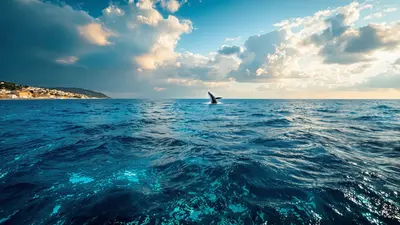
What Marine Biologists Reveal About Mediterranean Fin Whales
Discover the fin whale, 20-metre giant inhabiting the Mediterranean. Migration p...