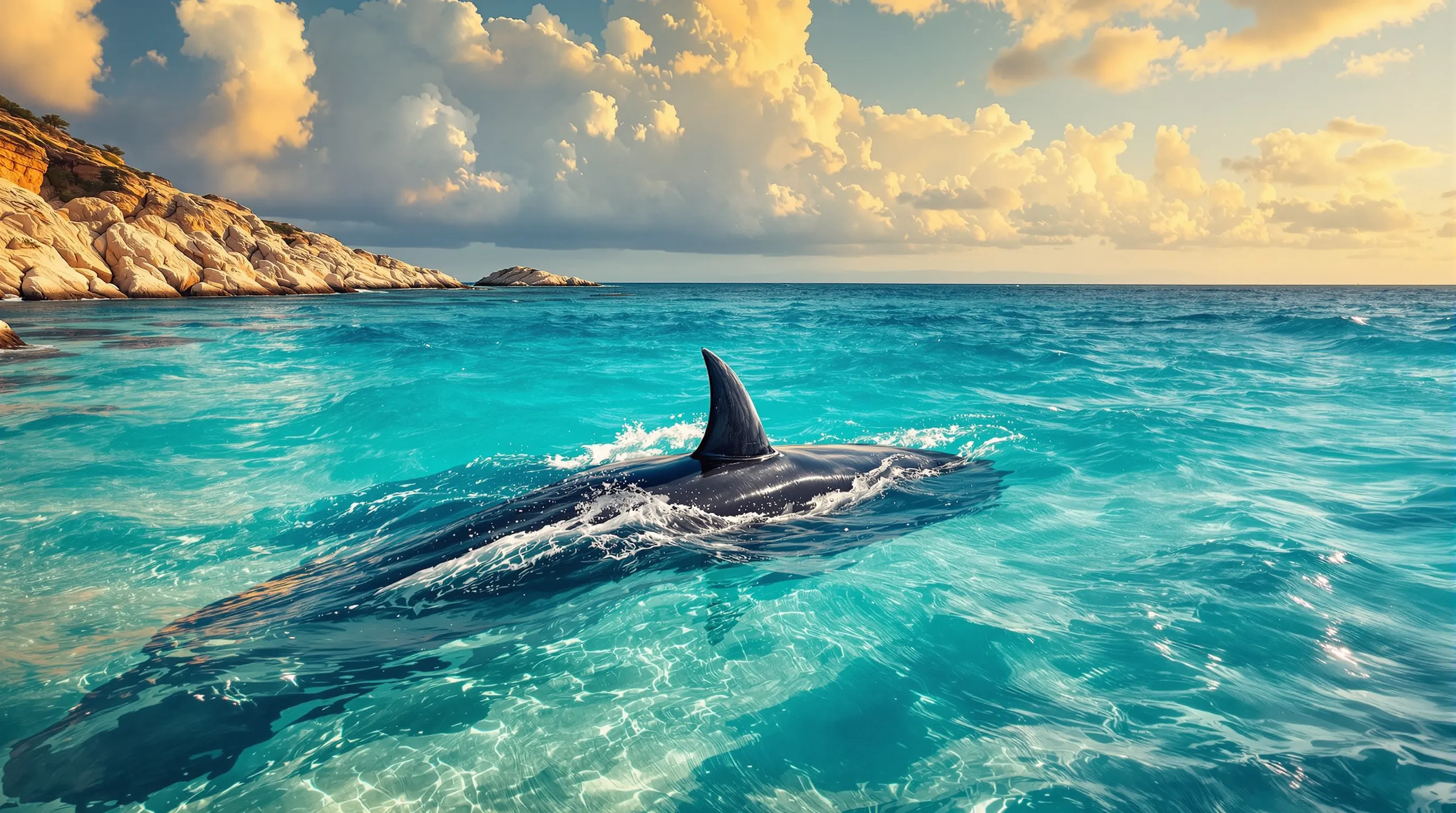
What Mediterranean Sailors Really Know About Whales
The Mediterranean hosts a remarkable population of whales and dolphins, often unknown to the general public. Each year, over 20 cetacean species frequent these waters, particularly in the international Pelagos Sanctuary spanning 87,500 km². Fin whales, 20-metre giants, find permanent refuge here, whilst sperm whales and pilot whales thrive in the deepest zones. Observing these marine mammals offers a unique experience, accessible from several French, Monégasque and Italian Mediterranean ports, with success rates reaching 95% during peak season.
Top whale watching spots in the Mediterranean
The Pelagos Sanctuary represents the prime area for cetacean observation in the western Mediterranean. Located between the French Riviera, Monaco, Liguria and northern Sardinia, this protected marine territory concentrates the majority of sightings. The deep waters of Monaco Canyon, just 10 kilometres offshore, particularly attract fin whales feeding on krill. Off Sanremo and Imperia, upwelling zones create exceptional nutritional conditions. Excursions from Antibes, Cannes, Monaco or Genoa offer the best observation guarantees, with reduced sailing distances to presence zones.
The magical triangle of the Alpes-Maritimes
Between Antibes, Monaco and Sanremo lies a triangle particularly rich in marine biodiversity. This area benefits from converging marine currents that concentrate plankton, the cetaceans' food source. Local professionals record over 2,000 annual fin whale observations here, with an almost permanent presence from May to October.
Optimal calendar for whale watching
The period from May to October offers optimal conditions for observing Mediterranean cetaceans. Fin whales arrive en masse from April, following the proliferation of euphausiacean krill. June and July mark peak activity with almost daily presence of large cetaceans. In August, despite tourist crowds, observations remain excellent with 85% successful trips. September often proves the best period: calm seas, pleasant temperatures and maximum whale concentration as they prepare for migration. Sperm whales appear more frequently from July to September in the deepest zones, beyond 2,000 metres. Winter reveals the permanent presence of striped dolphins, year-round Mediterranean residents.
Observable species by season
Twenty-one cetacean species regularly frequent the Mediterranean, each with seasonal particularities. The fin whale, world's second-largest whale, provides the star observation from May to October. Striped dolphins, permanent residents, offer acrobatic displays year-round with pods reaching 50 individuals. The sperm whale, legendary deep-sea diver, is encountered mainly in summer in zones exceeding 1,500 metres depth. Risso's dolphins, recognisable by their rounded heads and scars, prefer transitional waters between 500 and 1,000 metres. Rarer species including Cuvier's beaked whales and long-finned pilot whales complete this exceptional diversity unique to the Mediterranean.
Seasonal giants versus permanent residents
Contrary to popular belief, certain cetaceans live permanently in the Mediterranean. Striped dolphins, notably, form a stable population exceeding 150,000 individuals. Conversely, fin whales undertake complex migrations, concentrating their passages during fair weather to benefit from summer's abundant food supply.
Practical tips for a successful trip
Book your excursion 48 hours in advance, particularly during peak season when operators often sell out. Budget £30-55 per adult for a 3-hour trip, depending on season and operator. Choose morning departures around 9am when seas are generally calmer. Bring sun cream, hat and windproof jacket as temperature drops 5-8°C offshore. 8x32 binoculars significantly enhance observation but aren't essential. Avoid strong fragrances that might disturb the animals. Most trips guarantee 90-95% successful observations or offer a complimentary return trip. Choose certified operators respecting responsible approach guidelines: minimum 100-metre distance, maximum three boats per cetacean group.
Frequently asked questions
What's the best time to see whales in the Mediterranean?
May to October represents the optimal period, with peak observations in June-July. Fin whales are present almost daily, whilst September often offers the finest weather conditions with high cetacean concentrations as they prepare for autumn migration.
How much does a whale watching trip cost from the French Riviera?
Budget between £30 and £55 per adult for a 3-hour trip depending on season and operator. Prices vary from May (more affordable) to August (peak season). Most operators offer reduced rates for children and guarantee sightings or a complimentary return trip.
Can you actually see whales from Monaco and Antibes ports?
Absolutely, with success rates exceeding 90% in season. Monaco's submarine canyon lies just 10 kilometres offshore, creating exceptional conditions. Trips from Antibes, Monaco or Cannes quickly reach the Pelagos Sanctuary where fin whales and sperm whales roam.
Mediterranean whale watching reveals exceptional natural heritage that's both accessible and preserved. Whether you choose Monégasque waters or the Côte d'Azur coastline, every trip promises unforgettable encounters with these ocean giants. To extend this discovery of the Mediterranean marine world, explore dauphin-mediterranee.com and its expert guides on coastal biodiversity.
Read also
These 60-tonne Giants You Might Spot in the Mediterranean
Discover where and when to observe sperm whales in the Mediterranean. Complete g...
7 Secrets of Mediterranean Corals That Experienced Divers Know
Discover hidden Mediterranean corals: rare species, secret spots and diving tech...
Why These Mediterranean Harbours Will Transform Your Travel Perspective
Discover the picturesque harbours of the Mediterranean coast that will make you ...
Secret Mediterranean Ports That Even Locals Don't Know About
Discover 12 hidden picturesque ports along the Mediterranean coast, away from to...