
What the Secret Behaviour of Mediterranean Dolphins Reveals
Common dolphins (Delphinus delphis) have inhabited the Mediterranean for millennia, offering visitors unforgettable natural spectacles. These intelligent marine mammals navigate our waters with particular grace, developing complex social behaviours and sophisticated hunting techniques. Contrary to popular belief, they're not confined to offshore waters: you can observe them just a few nautical miles off the French, Spanish and Italian coasts. Their populations, estimated at around 150,000 individuals in the Mediterranean, constitute exceptional natural heritage accessible to marine life enthusiasts.
Unique characteristics of Mediterranean common dolphins
The Mediterranean common dolphin is distinguished by its compact size (1.5 to 2.5 metres) and characteristic hourglass colour pattern on its flanks. Its triangular dorsal fin and impressive speed (up to 60 km/h) make it one of the most agile cetaceans along our coasts. These dolphins live in pods of 10 to 50 individuals, sometimes forming superpods of several hundred during seasonal migrations. Their diet consists primarily of sardines, anchovies and mackerel, which they hunt through coordinated attacks. Their remarkable intelligence manifests through the use of natural tools and elaborate collective hunting strategies, notably the 'bait ball' technique where they encircle their prey.
Recognition and identification at sea
Identifying common dolphins relies on several precise visual criteria. Their falcate dorsal fin, characteristic acrobatic leaps and active social behaviour easily distinguish them from other Mediterranean species. Natural markings on their bodies enable scientists to track individuals over several years, revealing surprising territorial loyalties.
Prime observation zones along Mediterranean coasts
The French Riviera, between Antibes and Menton, offers 80% observation chances between April and October. The Pelagos Sanctuary, a protected area of 87,500 km², serves as the favourite playground for these marine mammals. The Spanish Catalan coast, particularly around Roses and L'Estartit, guarantees spectacular encounters thanks to nutrient-rich upwellings. In Italy, the Ligurian Riviera and Tuscan coast concentrate the densest populations, with regular sightings from Portofino to the Cinque Terre. Submarine canyon areas, such as those off Monaco or Port-Cros, attract dolphins who find their favourite prey there. Water temperature (18-24°C) and depth (200-2,000 metres) create ideal conditions for their feeding.
Social behaviour and remarkable intelligence
Common dolphins develop complex social bonds based on individual vocal recognition. Each dolphin possesses a 'name' in the form of a unique whistle that it uses throughout its life. Their play includes wave surfing, synchronised acrobatics and using floating objects as toys. Inter-species cooperation with bluefin tuna for hunting constitutes a fascinating example of adaptive intelligence. Females form lasting alliances to raise their young, creating veritable marine 'nurseries'. Their learning capacity passes from generation to generation, creating distinct local cultures according to Mediterranean regions. Scientists have documented over 30 different vocalisations, each serving a precise social function in group communication.
Communication and dolphin language
The vocal repertoire of common dolphins includes echolocation clicks for navigation, whistles for social communication and pulsed sounds to express emotions. This linguistic richness rivals that of higher primates, demonstrating exceptional social intelligence that fascinates researchers worldwide.
Practical tips for responsible observation
Observation excursions cost between £30 and £55 for 3-hour trips, with an 85% success rate from April to October. Book morning slots (8am-11am) to optimise calm sea conditions and visibility. Choose operators certified with 'High Quality Whale Watching' labels who respect regulatory distances (minimum 100 metres). Pack biodegradable sun cream, a hat and 8x42 binoculars for comfortable observation. The best weather conditions include wind under 15 knots and visibility exceeding 5km. Avoid summer weekends for fewer tourist crowds. Rigid inflatable boat (RIB) trips offer closer proximity than large vessels but require good physical condition. Contribute to citizen science by reporting your sightings on the Cetaceans app.
Frequently asked questions
What's the best time to observe common dolphins in the Mediterranean?
The optimal period runs from April to October, with peak activity in June-July. Favourable weather conditions and increased presence of forage fish guarantee 85% observation chances. Mornings generally offer calmer seas and better visibility for spotting dolphins.
How far from shore can you observe Mediterranean common dolphins?
Common dolphins primarily live between 2 and 20 kilometres from shore, in areas 200 to 2,000 metres deep. The Pelagos Sanctuary, accessible from Nice, Antibes or Monaco, concentrates the most significant populations. Some exceptional sightings occur just 500 metres from the shoreline.
How do you distinguish a common dolphin from other dolphin species in the Mediterranean?
Common dolphins are recognised by their yellow-beige hourglass pattern on the flanks, medium size (2 metres), triangular dorsal fin and characteristic acrobatic leaps. They often swim in large pods unlike bottlenose dolphins, which are more solitary and larger. Their very active social behaviour facilitates identification.
Observing Mediterranean common dolphins offers a unique experience combining wonder and marine education. These privileged encounters remind us of the exceptional richness of our waters and the importance of their preservation. To plan your responsible observation trip and discover the best Mediterranean spots, visit dauphin-mediterranee.com and participate in protecting these ambassadors of the seas.
Read also
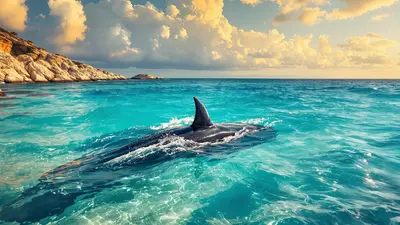
What Mediterranean Sailors Really Know About Whales
Discover where and when to spot whales in the Mediterranean with expert tips. Se...
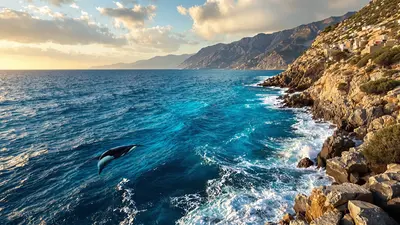
These 60-tonne Giants You Might Spot in the Mediterranean
Discover where and when to observe sperm whales in the Mediterranean. Complete g...
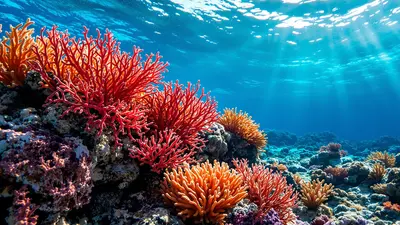
7 Secrets of Mediterranean Corals That Experienced Divers Know
Discover hidden Mediterranean corals: rare species, secret spots and diving tech...
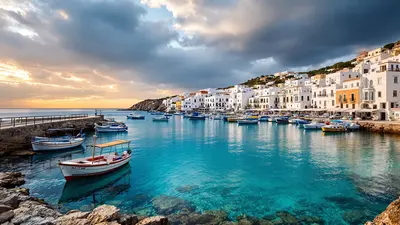
Why These Mediterranean Harbours Will Transform Your Travel Perspective
Discover the picturesque harbours of the Mediterranean coast that will make you ...