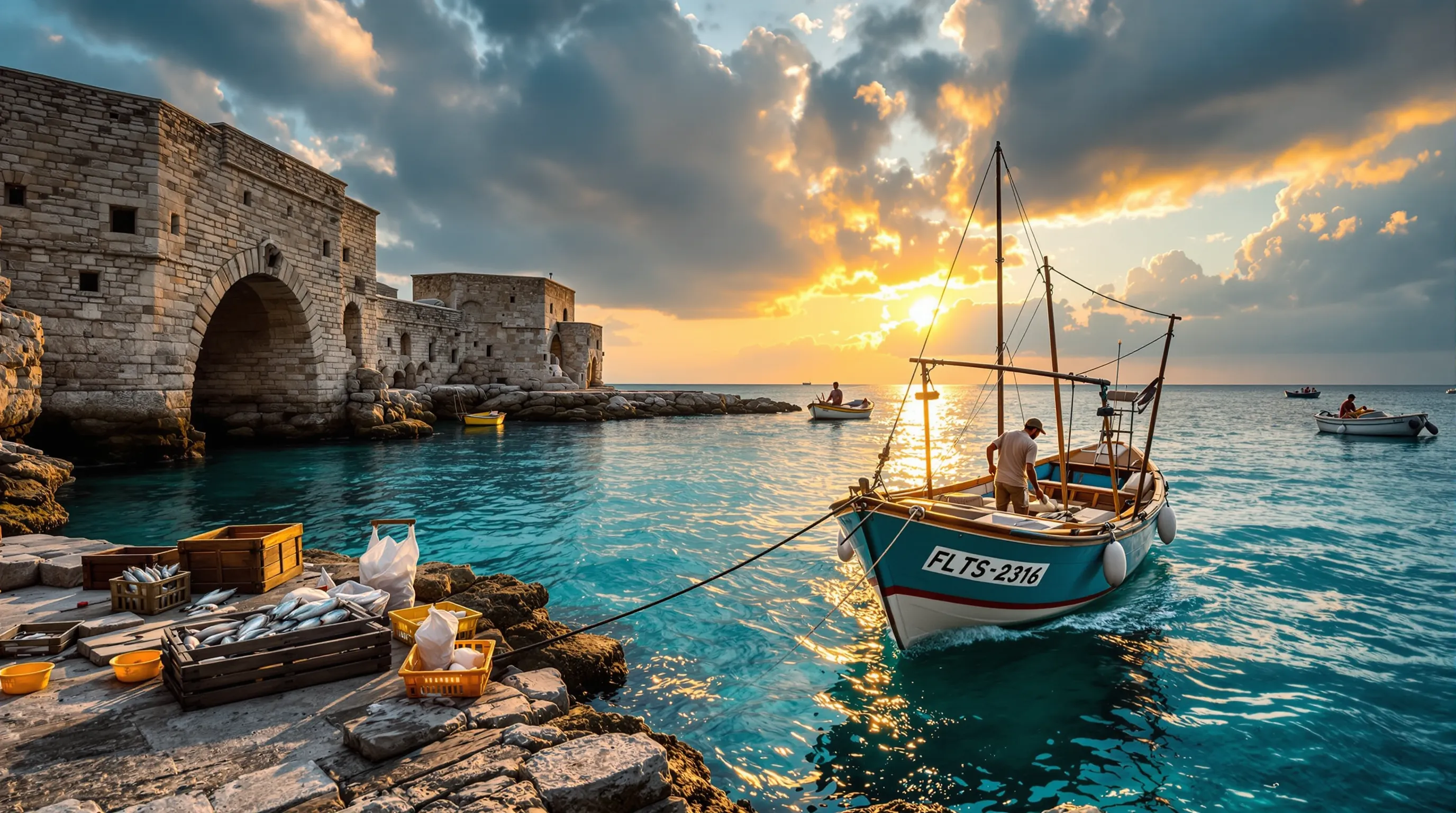
What Mediterranean Fishermen Are Doing to Save Fish and Dolphins
I've spent fifteen years observing the Mediterranean coastline from the deck of research boats, and one memory stands out in particular: in Calvi, a local fisherman showed me his logbook where every bluefin tuna catch had been recorded since 1998, long before quotas became mandatory. This artisanal rigour, often invisible to tourists, is now shaping a different kind of tourism. Responsible fishing is no longer a fringe concept: it's redefining the relationship between visitors, fishermen and the marine ecosystem, from the Gulf of Lion to the Sicilian coves. Understanding these practices turns a simple boat trip into a genuine ecological immersion.
Understanding the Challenges of Responsible Fishing in the Mediterranean
The Mediterranean holds nearly 10% of the world's marine biodiversity within just 1% of the ocean's surface area, making it particularly vulnerable. Bluefin tuna, once overexploited between the Spanish and Libyan coasts, illustrates this challenge well: its population dropped drastically in the 2000s before strict ICCAT quotas allowed for a gradual recovery. Corsican spiny lobsters, sea bream from the Gulf of Gabès and anchovies from the Gulf of Genoa face similar pressures. I've seen first-hand, particularly near the Kerkennah Islands in Tunisia, that traditional techniques such as pot fishing or controlled drift-net fishing cause far less damage than bottom trawling, which destroys the Posidonia seagrass meadows essential to the reproduction of many species, dolphins included.
Iconic Species Under Watch
Bluefin tuna, dusky grouper and red spiny lobster are among the most closely monitored species. The grouper, long hunted by spearfishing, now benefits from fully protected zones such as Scandola in Corsica. Common and bottlenose dolphins suffer indirectly from overfishing, which depletes their natural prey, sardines and anchovies. Observing these balances on site helps explain why some harbours voluntarily limit their catches, a choice rarely visible but crucial to the future of the gulf.
Where to See Responsible Mediterranean Fishing in Action
Cassis harbour, in the Bouches-du-Rhône, remains a striking example: several fishermen there practise small-scale coastal fishing, limited to a few kilometres from the shore, using selective nets that respect minimum catch sizes. In Portofino, on the Italian Riviera, the marine reserve has banned all fishing in certain zones since 1999, allowing fish populations to visibly recover. In Spain, the Costa Brava around Cadaqués has developed partnerships between fishermen and scientists to map breeding grounds. These local initiatives, often led by small cooperatives, are best seen firsthand on the quaysides early in the morning, between 6am and 8am, when the boats return with the day's catch.
Committed Harbours Worth Visiting First
Sanary-sur-Mer in the Var region regularly holds local fishermen's markets where the origin and method of catch are clearly displayed. In Camogli, Italy, the tradition of tonnare, ancient tuna traps, continues under strict oversight. These places offer an authentic experience far removed from the usual tourist trails, where you can chat directly with fishing professionals about their practices and get a real sense of the challenges around sustainable fish stock management.
When to Plan Your Discovery of Responsible Fishing
Spring, between April and June, is the ideal time to observe traditional fishing activities without the pressure of the summer crowds. It's also the season when many species breed, making protected zones particularly active and easy to observe. Autumn, from September to November, brings stable weather conditions in the western Mediterranean, with generally calm seas well suited to guided boat trips. July and August are best avoided for a genuine immersion: the influx of tourists turns some harbours into saturated commercial hubs, far from the authenticity you're after. Fishermen themselves sometimes cut back on trips during peak summer heat to preserve resources and avoid thermal stress on sensitive species such as mackerel. Choosing the shoulder months also means more affordable rates for guided excursions and calmer, more meaningful conversations with professionals who aren't as stretched as during peak season.
How to Organise Your Responsible Fishing Experience
Half a day is usually enough for a first taste, but I'd recommend a full day to truly get to grips with the working rhythms of artisanal fishermen. No particular fitness level is needed to watch from the harbour, but boat trips require decent sea-sickness tolerance, especially on small, traditional, less stable vessels. Bring non-slip shoes, full sun protection and binoculars to spot the surrounding marine wildlife, dolphins included. Trips run by associations such as Souffleurs d'Écume in Provence or local cooperatives in Sardinia often combine fishing observation with environmental awareness, a particularly rewarding format for families and solo marine biology enthusiasts alike.
Recommended Kit and Preparation
A notebook for observations, a camera with a zoom lens, and layers to cope with the cool morning air make up the basic kit. Book directly with small local operators rather than through big tourist platforms; this ensures more direct contact with the professionals and a fairer share of the economic benefits going to the coastal communities who actually practise this sustainable fishing day in, day out.
Practical Tips and Responsible Tourism
Budgets vary considerably depending on whether you opt for a simple, free early-morning harbour visit or a guided boat trip with a certified professional, which costs more but offers far richer learning. Pricing factors include the length of the trip, group size and the guide's level of expertise, some of whom are trained marine biologists. Always book ahead during busy periods and favour operators displaying recognised certifications. Regarding the cetacean sightings that sometimes accompany these trips, ACCOBAMS rules require a minimum distance of 100 metres, reduced speed when approaching, and a ban on encircling or feeding the animals. The High Quality Whale Watching label, present in the Pelagos Sanctuary spanning France, Monaco and Italy, guarantees operators trained in these strict protocols. Avoid any activity promising guaranteed contact with dolphins, often a sign of non-compliant practice. Following these simple rules helps protect wild populations for the long term whilst preserving the quality of the experience for future generations of visitors.
Frequently asked questions
What exactly is responsible fishing in the Mediterranean
It's an approach that respects scientific quotas, minimum catch sizes, breeding seasons and protected areas such as Posidonia seagrass meadows. It favours selective techniques (pots, lines) over destructive trawling, thereby limiting the impact on ecosystems and non-target species such as dolphins and sea turtles.
Can tourists take part in a responsible fishing trip
Yes, several cooperatives in France, Italy and Spain offer guided trips combining observation with awareness-raising. Favour certified local operators over large generic booking platforms. These experiences typically last from half a day to a full day and require no particular skills, aside from reasonable tolerance to the motion of the sea.
What's the best time of year to see these practices
Spring (April-June) and autumn (September-November) offer the best conditions: stable weather, fewer tourists, and more visible traditional fishing activity. July and August are best avoided, as tourist saturation changes fishermen's routines and makes genuine exchanges with local professionals harder to come by.
How can you recognise an operator genuinely committed to sustainable fishing
Check for recognised labels, transparency about catch methods displayed on the quaysides, and partnerships with scientific institutes. A responsible fisherman will happily discuss their practices, the quotas they respect, and the areas they avoid in order to protect local species' breeding grounds.
What's the connection between responsible fishing and dolphin protection
Overfishing reduces sardine and anchovy populations, essential prey for common and bottlenose dolphins in the Mediterranean. Well-managed fishing maintains this food balance. What's more, uncontrolled drift nets cause accidental cetacean bycatch, a risk greatly reduced by selective, regulated techniques.
Responsible fishing in the Mediterranean isn't just a tourism trend, it's an ecological necessity that dolphin populations and the wider marine ecosystem depend on directly. By choosing guided trips, respecting observation distances and favouring certified local operators, every visitor becomes part of this conservation effort. To take this discovery further and observe Mediterranean cetaceans with full respect for their natural habitat, explore our guided trips at dauphin-mediterranee.com, designed with experts passionate about marine conservation.
Read also

Sète and the Thau Lagoon: what the lagoon reveals about the Mediterranean
Discover Sète and the Thau Lagoon: oyster farming, lagoon wildlife, coastal trai...
Monaco and the Sea: What Experts Watch for Offshore Before Spotting a Dolphin
Monaco and the sea: discover how to spot dolphins and whales offshore, between r...
Microplastics in the Mediterranean: What the Seabed Reveals
Microplastics in the Mediterranean: origins, impact on cetaceans and practical s...
Bonifacio and Its Cliffs: 8 Things You Never Knew About These Boat Trips
Boat trips in Bonifacio: limestone cliffs, sea caves and offshore wildlife. Comp...