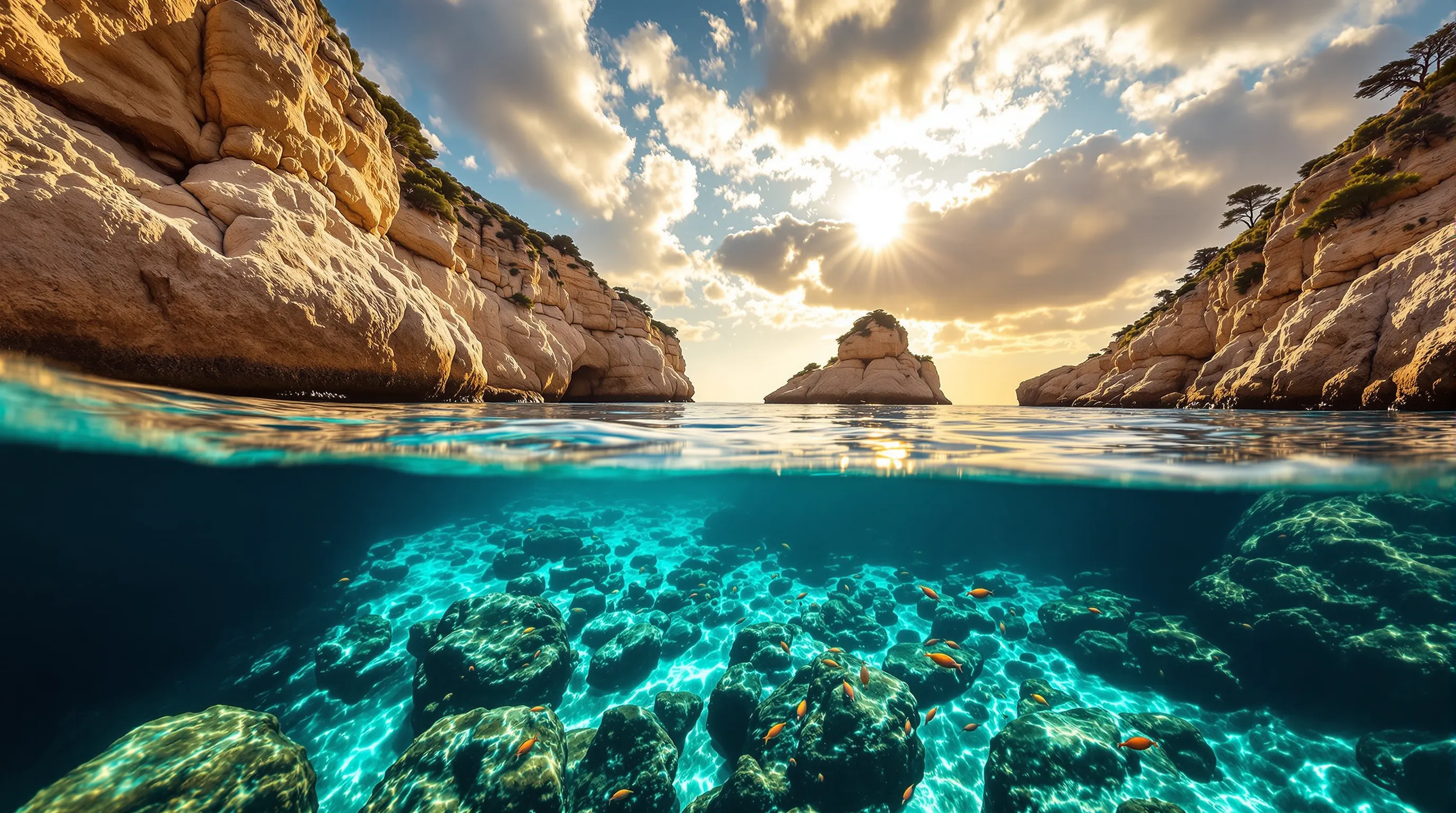
What Marseille Calanques diving guides are hiding about underwater treasures
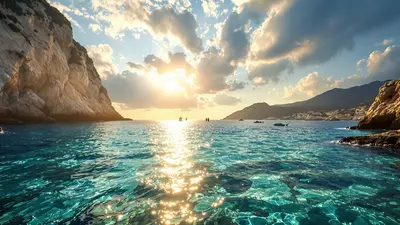
The Calanques of Marseille conceal beneath their turquoise waters an aquatic world of unsuspected richness. This marine national park protects 43 kilometres of limestone coastline where more than 400 marine species thrive. Local guides are now revealing their secret spots: from submerged caves to posidonia meadows, and vertical drop-offs where groupers and corvina cruise. This Mediterranean diving destination offers exceptional conditions 8 months out of 12, with visibility reaching up to 40 metres.
Legendary spots revealed by professionals
The Eaux Salées cave at Cassis remains the hidden gem for experienced divers. This limestone cavity extends for 120 metres, accessible from 18 metres depth. Guides take their privileged clients here to observe unique geological formations and cave-dwelling fauna. Île Plane also harbours treasures: its natural tunnels shelter an exceptional concentration of multicoloured nudibranchs. The Cassidaigne drop-off offers deep dives down to 60 metres, where dentex and amberjacks roam. These sites require local expertise to be explored safely, explaining why specialised centres jealously guard their GPS coordinates.
Exclusive fauna in protected zones
The Calanques' national park status provides strict protection that allows rare species to flourish. Brown groupers, virtually disappeared elsewhere in the Mediterranean, reach impressive sizes of over a metre here. Posidonia seagrass meadows stretch for hectares, creating natural nurseries for seahorses and pipefish. This unique biological richness justifies the premium rates charged by local diving centres.
Diving conditions and technical specifications
The Calanques benefit from a Mediterranean microclimate offering 280 days of sunshine annually. Water temperature ranges from 13°C in February to 25°C in September, allowing year-round diving with appropriate kit. Currents generally remain weak, under 0.5 knots, facilitating exploration for all levels. The exceptional visibility, often exceeding 25 metres, results from the absence of major sediment inputs. The mistral wind can however complicate outings, with surface swells reaching 2 metres. Professional centres use 8 to 12-metre RIBs to quickly access the most remote spots, reducing journey time to a maximum of 15 minutes.
Marine ecosystem and remarkable biodiversity
The Calanques' limestone coastline creates diverse habitats fostering exceptional biodiversity. Coralligenous formations develop colourful structures between 20 and 40 metres depth, sheltering red and purple gorgonians. These biogenic constructions house more than 1,600 animal and plant species. Semi-dark caves welcome shade-loving species such as cleaner shrimp and opisthobranchs. Pelagic fauna benefits from local upwellings: tuna, bonito and dolphins regularly frequent the area. This biological richness places the Calanques among the 10 most pristine diving sites in French Mediterranean waters, according to the national marine observatory.
Underwater photography and macro photography
The crystal-clear waters of the Calanques offer ideal conditions for underwater photography. Natural light penetrates down to 25 metres, allowing shots without artificial lighting. Macro photographers appreciate the diversity of nudibranchs and small crustaceans. Several centres offer specialised courses with professional waterproof equipment.
Practical tips for successful diving
Booking 48 hours in advance is essential during high season, as centres limit their trips to a maximum of 12 divers to preserve the environment. Prices range from £38 for a local dive to £72 for remote sites with two immersions. PADI Open Water certification or equivalent suffices for 80% of spots, with Advanced level required for deep dives. Complete equipment hire costs £21/day at approved centres. The best period runs from May to October, with optimal visibility in June-July. Morning departures at 8am help avoid the mistral which typically picks up after 11am. Budget around £127/day including two dives, equipment and professional supervision.
Frequently asked questions
What diving qualification do I need to explore the Marseille Calanques?
Open Water level (or CMAS 1-star) suffices for 80% of Calanques sites. Dives range from 5 to 40 metres depth. Only a few technical spots like the Cassidaigne drop-off require Advanced level (CMAS 2-star) for safe immersions down to 60 metres.
When is the best time to dive in the Calanques?
The optimal season runs from May to October with water temperatures of 18 to 25°C. June and July offer the best visibility, often exceeding 30 metres. Winter remains viable with a thick wetsuit, with marine life actually more active in cooler temperatures.
How much does a diving trip cost in the Calanques with a professional centre?
Expect £38-51 for a single dive at nearby sites, £64-72 for a two-dive trip to remote spots. Complete equipment hire costs an additional £21/day. Weekend packages often offer reduced rates around £110-127 for three dives with kit included.
The Marseille Calanques reveal their secrets to divers who prioritise local expertise and environmental respect. This unique destination combines exceptional natural heritage with optimal diving conditions eight months of the year. To discover the wonders of the French Mediterranean in the finest conditions, trust the professionals referenced on dauphin-mediterranee.com and start planning your next underwater adventure today.
Read also
These 12 Secret Mediterranean Ports That Even Locals Don't Know About
Discover 12 hidden picturesque ports along the Mediterranean coast, far from tou...
This 4-Metre Giant Dolphin Will Transform Your View of the Mediterranean
Discover Risso's dolphin, the Mediterranean's overlooked 4m giant. Where to spot...
What Marseille seafarers are hiding about the city's maritime activities
Discover Marseille's sea activities that only locals know. Diving, sailing, kaya...
7 Surprising Truths About Mediterranean Sharks Nobody Knows
Discover the reality of sharks in the Mediterranean: species present, actual ris...