Why Mediterranean Shipwrecks Transform Your Diving Passion
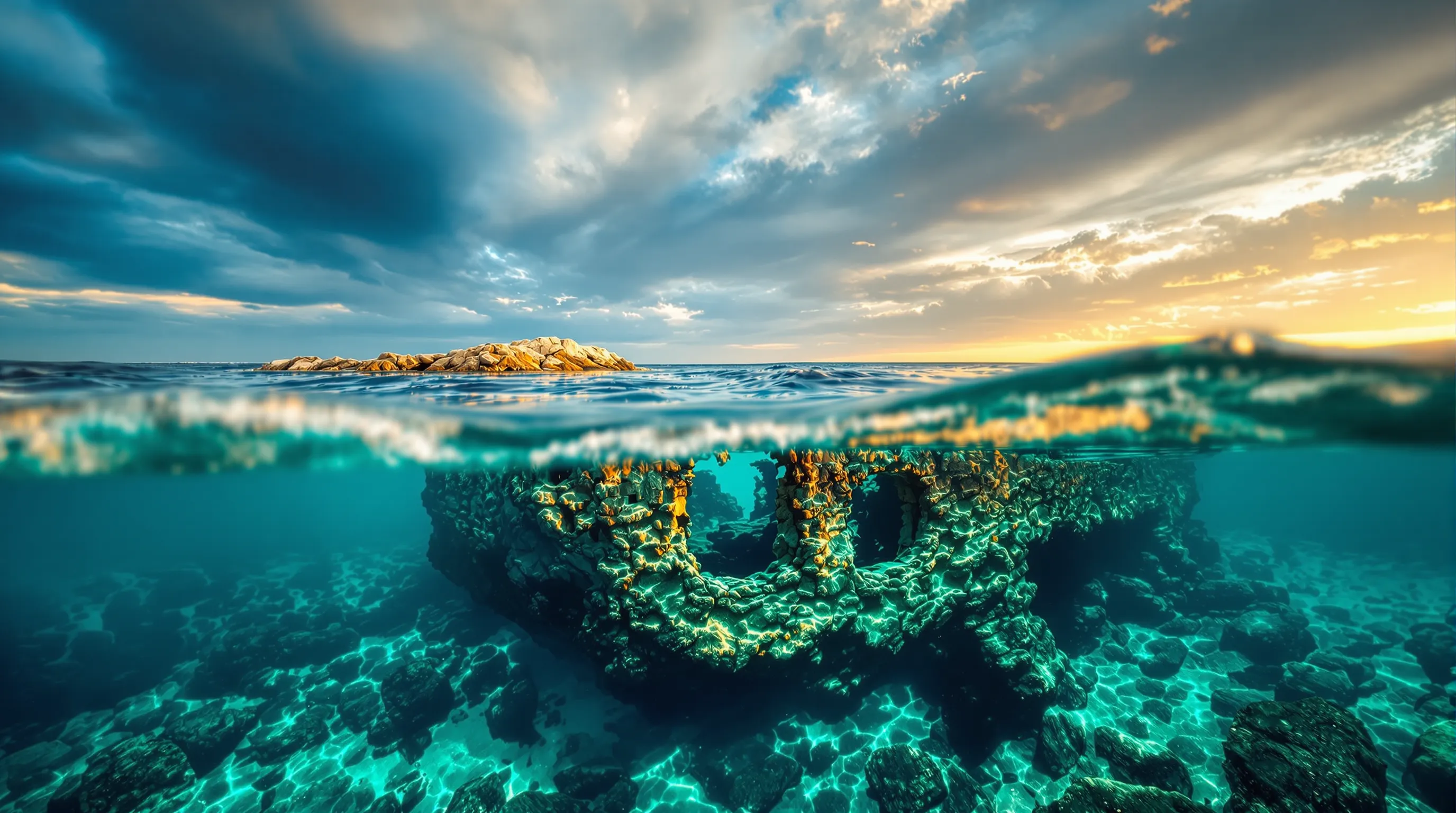
The Mediterranean harbours over 3,000 recorded shipwrecks, creating veritable underwater museums that captivate divers worldwide. These sunken vessels provide exceptional marine ecosystems where aquatic life flourishes. From ancient galleys to contemporary warships, each wreck tells a unique story. Scuba diving allows safe exploration of these submerged treasures with sufficient autonomy to admire architectural details and marine biodiversity. This activity brilliantly combines historical passion, underwater adventure, and ecological discovery.
Essential Mediterranean Shipwreck Sites
The Donator wreck off Port-Cros remains one of the most coveted sites, resting at 53 metres depth. This 78-metre cargo vessel, sunk in 1931, offers exceptional technical diving with visibility often exceeding 30 metres. In Corsica, the Pinella wreck near Propriano provides accessible exploration from Advanced Open Water level, at just 28 metres depth. Spanish coastlines reveal the legendary Naranjito near the Medes Islands, transformed into an artificial reef since 1991. Each site presents unique characteristics: currents, depth, preservation state, and specific biodiversity that determine the required technical level.
Beginner-Friendly Wrecks
The Baron Gautsch in Croatia or the Hélios in France offer dives between 15 and 25 metres depth. These sites allow Open Water certified divers to discover the world of shipwrecks safely, with well-preserved structures and abundant marine life colonising the metal superstructures.
Technical Preparation and Specialised Equipment
Wreck diving demands proper equipment and meticulous preparation. A high-lift buoyancy control device proves essential for managing buoyancy variations near metal structures. Using a dive computer with decompression mode allows precise calculation of mandatory safety stops. A primary torch of minimum 3,000 lumens and two backup torches illuminate dark passageways. A delayed surface marker buoy facilitates ascents in current conditions. Planning includes studying ship blueprints, identifying secure entry points, and defining a dive route respecting decompression limits and air consumption requirements.
Marine Biodiversity and Wreck Ecosystems
Shipwrecks create artificial reefs that concentrate exceptional biodiversity. Metal structures provide attachment points for sessile organisms: encrusting sponges, bryozoans, and soft corals rapidly colonise superstructures. This marine vegetation attracts diverse fauna: schools of sea bream, gilt-head bream, conger eels in passageways, moray eels in crevices. Certain wrecks shelter rare species like dusky groupers or brown groupers, protected by the tranquillity of these locations. The wreck's age determines the ecosystem's evolutionary stage: after 10 years, biological equilibrium stabilises, creating an autonomous and productive marine habitat.
Underwater Environmental Protection
Wreck diving demands strict adherence to environmental regulations. No collection is permitted, perfect buoyancy prevents damage to attached organisms. Divers maintain respectful distance from marine life and use only biodegradable sun cream before immersion.
Practical Advice
The optimal season extends from May to October with maximum visibility in September-October. Prices range from £40 to £70 for guided dives depending on depth and site technicality. Booking requires 48 hours minimum notice, with mandatory presentation of certification levels and logbook. Dive insurance remains essential—verify international coverage. PADI or BSAC certified centres guarantee qualified supervision and equipment meeting standards. Budget £105 to £155 daily including dives, equipment hire, and meals. Weather conditions may cancel excursions, so maintain flexibility in your holiday schedule.
Frequently asked questions
What diving qualification do I need to explore Mediterranean shipwrecks?
Open Water PADI or BSAC certification allows access to shallow wrecks (15-20m). For legendary sites like the Donator, Advanced Open Water minimum is required. Deep wrecks demand Rescue Diver level and confirmed experience in technical diving with mandatory decompression stops.
What precautions should I take when wreck diving?
Never enter a wreck alone, follow the rule of thirds for air consumption, use a guide line for penetration, check structural integrity. Always dive with a certified guide who knows the site's technical and historical specifics thoroughly.
How much does a Mediterranean wreck diving trip cost with full equipment?
Expect £55 to £75 for guided diving with complete equipment hire. Six-dive packages offer reduced rates around £45 per dive. Add £12 for daily insurance and £20 for nitrox if available at the dive centre.
Exploring Mediterranean shipwrecks reveals historical and ecological treasures unique in the world. This underwater adventure combines technique, history, and marine environmental respect. To plan your Mediterranean diving holiday, discover our accommodation recommendations and certified dive centres at dauphin-mediterranee.com.
Read also
These 7 Mediterranean marine creatures will transform your view of the seabed
Discover exceptional Mediterranean marine wildlife: dolphins, groupers, seagrass...
What Naval Forces Are Really Doing to Save Mediterranean Dolphins
Discover the concrete actions taken to protect Mediterranean cetaceans. Marine s...
7 secret water activities that only locals know in Villefranche
Discover 7 secret water activities in Villefranche-sur-Mer that only residents k...
What Marine Biologists Reveal About Dolphin Encounters
Discover the truth about swimming with dolphins in the Mediterranean: prime loca...