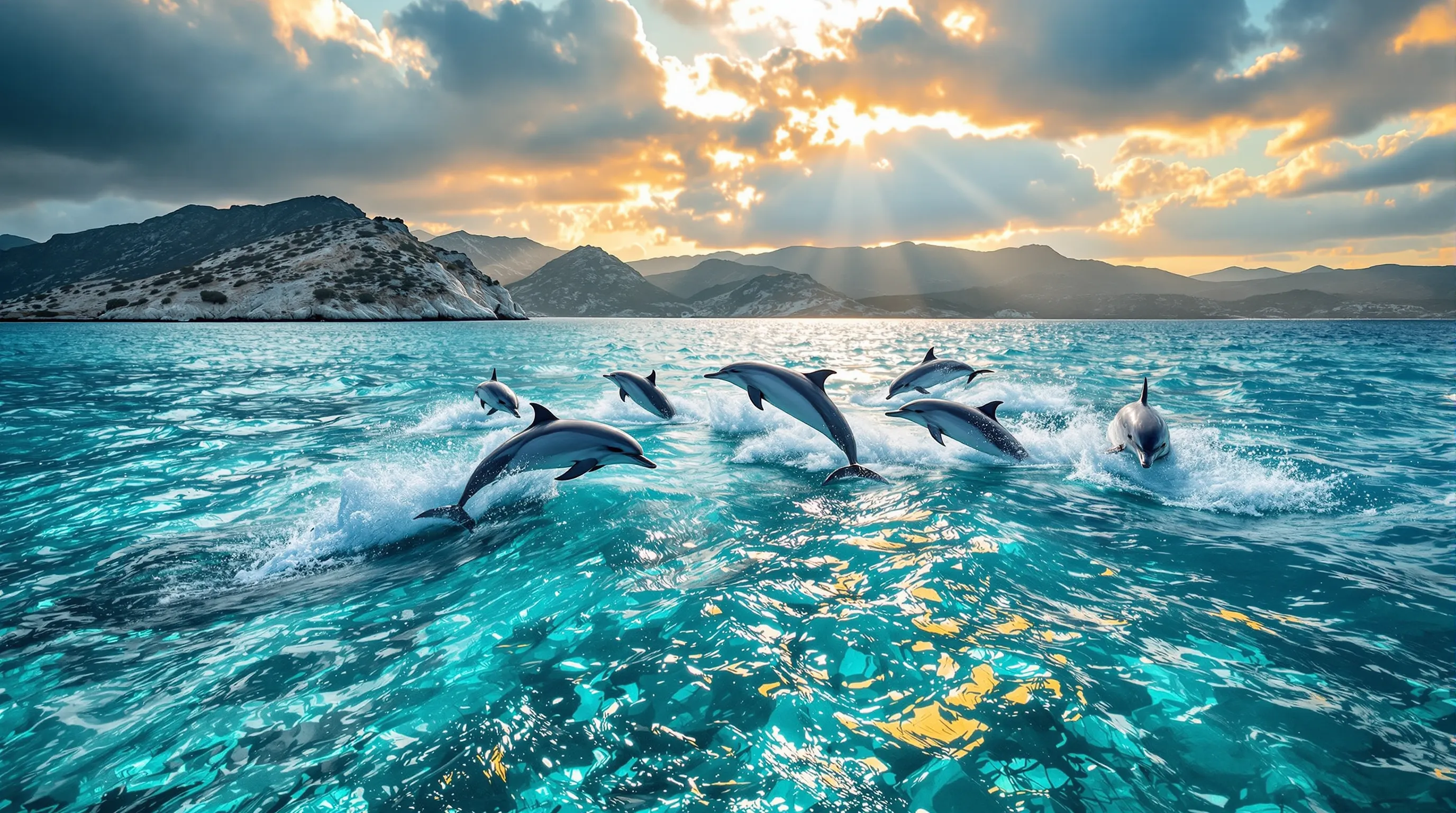
What Naval Forces Are Really Doing to Save Mediterranean Dolphins
The Mediterranean is home to 21 cetacean species, representing nearly a quarter of the world's species in just 1% of global oceans. Sperm whales, striped dolphins, pilot whales and Risso's dolphins inhabit these waters but face increasing threats. Each year, over 10,000 cetaceans perish due to human activities. Faced with this alarming situation, marine sanctuaries, strict regulations and monitoring programmes are multiplying to preserve these exceptional marine mammals.
The Pelagos Sanctuary, First International Reserve
Established in 1999, the Pelagos Sanctuary spans 87,500 km² between France, Italy and Monaco. This protected area covers the Mediterranean's most plankton-rich waters, naturally attracting cetaceans. Over 8,500 sperm whales, 25,000 striped dolphins and 2,500 Risso's dolphins inhabit the area. The three signatory nations have established strict rules: vessel speed limits of 10 knots, prohibition of certain fishing practices and enhanced surveillance. Regular patrols monitor compliance with these measures and raise awareness amongst recreational boaters.
Enhanced Maritime Regulations
Within the sanctuary, vessels over 24 metres must declare their passage and follow specific navigation corridors. Jet-skis are prohibited within a 1,000-metre radius of observed cetacean groups. These measures have reduced ship-mammal collisions by 40% since 2010.
Active Monitoring and Research Programmes
The EcoOcéan Institute has coordinated a network of 45 observation stations along the French Mediterranean coast since 2015. Each year, over 15,000 observations are recorded thanks to trained volunteers and scientists. The collected data helps track population changes, identify breeding areas and migration routes. The ACCOBAMS programme (Agreement on the Conservation of Cetaceans of the Black Sea, Mediterranean Sea and Contiguous Atlantic Area) brings together 24 coastal nations to harmonise protection policies. Satellite tags now enable real-time tracking of 200 individuals.
Local Action and Public Awareness
Mediterranean marinas are actively engaging through the "Clean Marina" label, certifying 180 environmentally-conscious harbours. In Antibes, Cannes and Saint-Tropez, free training courses help boaters identify species and adopt responsible practices. Cruise operators have adapted their routes: MSC and Costa Cruises now avoid sensitive areas between May and September, the breeding period. Over 300 diving centres partner in the observation reporting network, contributing to the scientific database.
Developing Responsible Ecotourism
About fifteen certified operators offer responsible whale-watching excursions from French and Italian ports. These trips follow strict protocols: minimum 100-metre approach distance, engines at idle, observation limited to 15 minutes per cetacean group. This activity generates £10.5 million annually whilst funding protection programmes.
Practical Tips for Responsible Tourism
To observe cetaceans ethically, choose exclusively "High Quality Whale Watching" certified operators available at 12 Mediterranean ports. Prices range from £30 to £55 for a 3-hour trip depending on season. Book between April and October for maximum sighting chances, with peak activity in June-July. From Nice, Cannes or Sanary-sur-Mer, allow 2.5 hours' sailing to reach prime areas. Bring warm clothing even in summer as temperatures drop 5°C offshore. Morning departures (8am-11am) generally offer better weather conditions and calmer seas.
Frequently asked questions
How many cetacean species live in the Mediterranean?
The Mediterranean hosts 21 cetacean species, including 12 permanent residents such as sperm whales, striped dolphins, pilot whales and Risso's dolphins. This exceptional diversity represents nearly a quarter of global species within just 1% of the world's ocean surface.
What's the ideal time for Mediterranean cetacean watching?
The best period runs from April to October, with peak activity between June and August. Weather conditions are more favourable and cetaceans more active at the surface. Morning departures between 8am and 11am generally offer calmer seas and better visibility for observation.
How to recognise a responsible cetacean watching operator?
Look for the "High Quality Whale Watching" label or "Responsible Whale Watching" certification. These operators maintain minimum 100-metre distances, limit observation to 15 minutes per group and employ trained naturalist guides. They also contribute to scientific research programmes.
Mediterranean cetacean protection is advancing through coordinated efforts by coastal nations, scientists and tourism professionals. Every visitor can contribute to this conservation by choosing responsible operators and adopting proper practices. To discover these marine giants whilst respecting their environment, explore ethical watching opportunities on mediterranean-dolphins.co.uk.
Read also
7 secret water activities that only locals know in Villefranche
Discover 7 secret water activities in Villefranche-sur-Mer that only residents k...
What Marine Biologists Reveal About Dolphin Encounters
Discover the truth about swimming with dolphins in the Mediterranean: prime loca...
What Experts Reveal About Swimming with Dolphins in the Mediterranean
Discover the truth about swimming with dolphins in the Mediterranean: where to s...
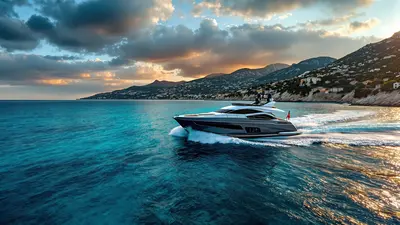
What Captains Hide About Secret French Riviera Cruises
Discover the confidential French Riviera cruises only insiders know about. Exclu...