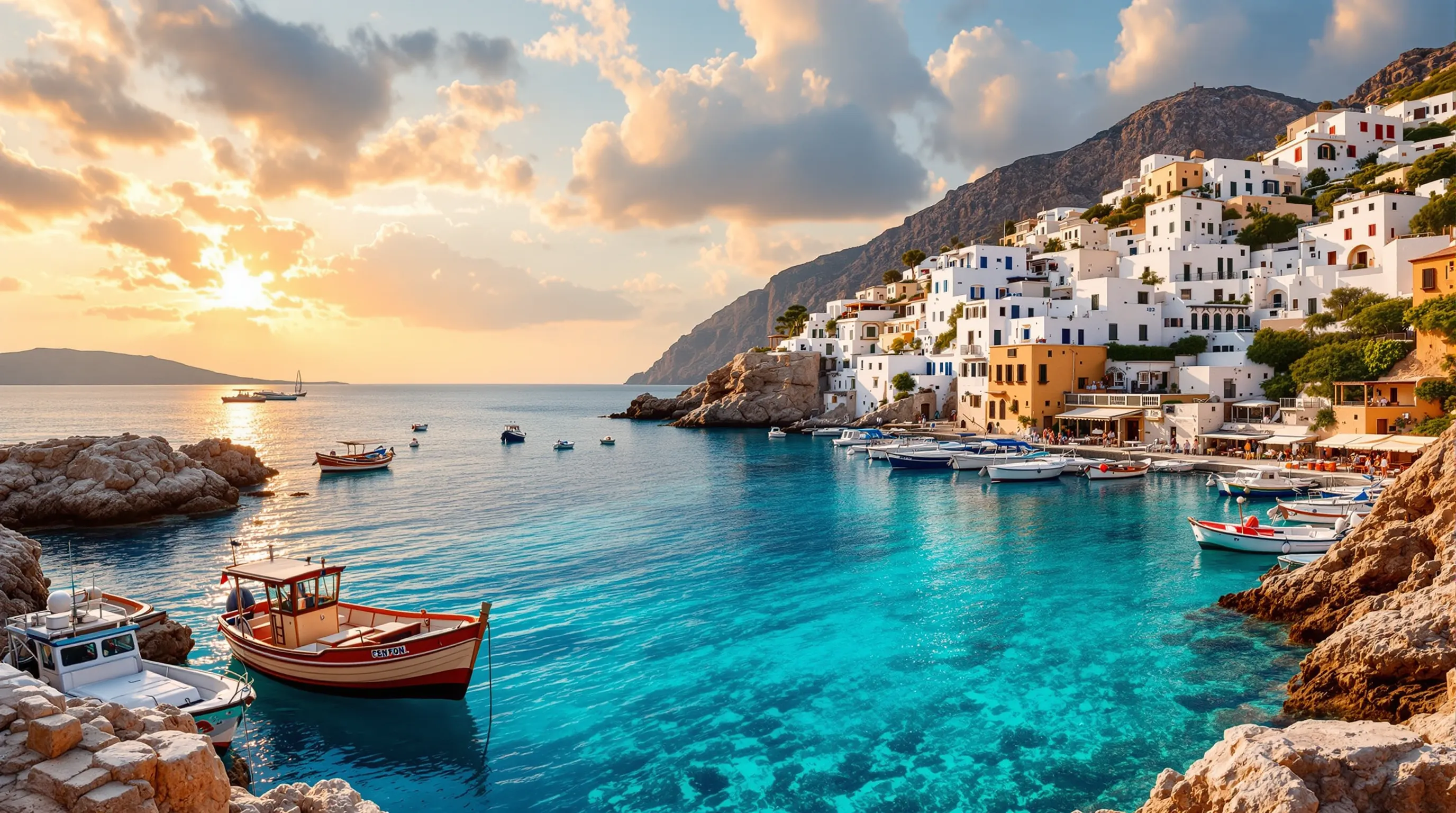
Why These 7 Mediterranean Harbours Will Transform Your Coastal Travel Experience
The Mediterranean is home to over 200 historic harbours, genuine gems preserved from mass tourism. These authentic havens, where centuries-old maritime tradition blends with vernacular architecture, offer a unique immersion into the Mediterranean soul. From Provençal calanques to Italian coves, and Spanish fishing villages, each harbour tells a thousand-year story. Discover how these picturesque stopovers transform a simple coastal visit into an initiatory journey, revealing the secrets of preserved Mediterranean living.
Hidden Pearls of the French Riviera
Cassis and its crystalline calanques embody the essence of authentic Mediterranean harbours. This village of 7,500 inhabitants generates over £13 million in annual tourist revenue thanks to its 300 days of sunshine. Port-Vendres, with its 180 traditional pointus, perpetuates 800-year-old expertise. The morning fish market handles 2,000 tonnes of fish annually. Collioure captivates with its ochre and garnet-façaded houses, immortalised by Matisse and Derain. These harbours jealously preserve their ancestral fishing techniques: longlines for bluefin tuna, trammel nets for scorpion fish, and lobster pots for spiny lobsters.
Authentic Architecture and Maritime Heritage
French harbours stand out with their colourful fishermen's houses with salt-resistant façades dating from the 17th century. Stone quays, historic harbour master's offices, and century-old lighthouses bear witness to exceptional maritime heritage. Over 50 listed monuments dot these picturesque harbours.
Island Treasures of the Western Mediterranean
Portofino reveals its Genoese tower-houses in pastel hues, genuine 12th-century fortifications transformed into luxury settings. This harbour of 400 inhabitants welcomes 2 million visitors annually. The Cinque Terre align 5 villages suspended between sky and sea, UNESCO World Heritage sites since 1997. Their 1,000-hectare vineyard terraces produce the renowned Sciacchetrà. In Sardinia, Bosa astonishes with its multicoloured houses lining the River Temo, the island's only navigable waterway. Porto Cervo embodies Sardinian glamour with its 700 berths for luxury yachts, generating £170 million in summer turnover.
Authentic Stopovers in Spain and Greece
Cadaqués, Dalí's birthplace, preserves its 300 traditional white houses facing Cape Creus. Its 15 starred restaurants perpetuate ancestral Catalan cuisine. Cambrils excels in culinary arts with its 8 Michelin restaurants, a European record for 23,000 inhabitants. In Greece, Naoussa in Paros enchants with its natural circular harbour, protected by thousand-year-old rock formations. Its 150 family tavernas serve locally caught fish and seafood. Fiskardo in Cephalonia, miraculously spared by the 1953 earthquake, keeps its 18th-century Venetian architecture intact.
Exceptional Maritime Gastronomy
These harbours excel in Mediterranean culinary arts: Marseille bouillabaisse, Valencian paella, Italian fritto misto, Greek souvlaki. Morning fish markets offer royal sea bream, sea bass, and red mullet freshly caught. Over 200 local specialities perpetuate centuries-old culinary traditions.
Practical Tips
High season (July-August) triples prices and saturates these intimate destinations. Favour May-June and September-October: ideal temperatures (22-26°C), still-warm sea (20-23°C), prices halved. Book 6 months ahead for authentic accommodation (Provençal farmhouses, Genoese residences). Average budget: £100-150/night in guesthouses, £20-40 for local gourmet meals. Seasonal ferry services connect these harbours (£12-20/journey). Absolutely avoid July-August: 2-hour queues to access coves, impossible parking, overbooked restaurants. Autumn reveals the restored authenticity of these Mediterranean havens.
Frequently asked questions
What's the best time to visit picturesque Mediterranean harbours?
May-June and September-October offer ideal conditions: mild temperatures (22-26°C), fewer crowds, 50% reduced prices. Water remains warm (20-23°C) and local restaurants regain their authenticity. Avoid July-August, the peak tourist saturation period.
How do you reach the most isolated Mediterranean harbours?
Seasonal ferry services connect most of these harbours (£12-20/journey). Some remain accessible only via coastal paths or narrow roads. Pack walking shoes and check shuttle timetables, often limited off-season.
What budget should you plan for a stay in these authentic harbours?
Budget £100-150/night for charming accommodation, £20-40 for local gourmet meals, £12-25 for water activities. Prices rise 50-100% in high season. Local markets can halve restaurant budget costs.
These picturesque harbours reveal the authentic soul of the Mediterranean, far from mass tourism. Each stopover unveils preserved treasures: vernacular architecture, maritime traditions, exceptional gastronomy. To discover these secret havens during a bespoke cruise, dauphin-mediterranee.com guides you to the most beautiful confidential stopovers of Mare Nostrum.
Read also
What Expert Boaters Do in Antibes for Unique Nautical Thrills
Discover exclusive nautical activities in Antibes and its peninsula: diving, sai...
What Chefs Keep Secret About Mediterranean Coastal Culinary Treasures
Discover the secrets of Mediterranean coastal cuisine: ancient techniques, excep...
7 Fascinating Secrets About Common Dolphins in the Mediterranean
Discover the 7 best-kept secrets of Mediterranean common dolphins: behaviours, h...
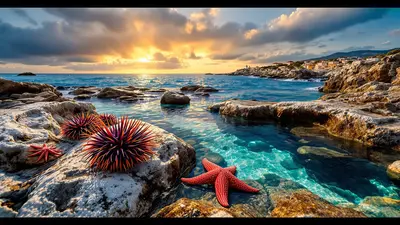
What These Marine Creatures Reveal About Our Mediterranean Coastlines' Health
Discover how Mediterranean starfish and sea urchins reveal the state of our mari...