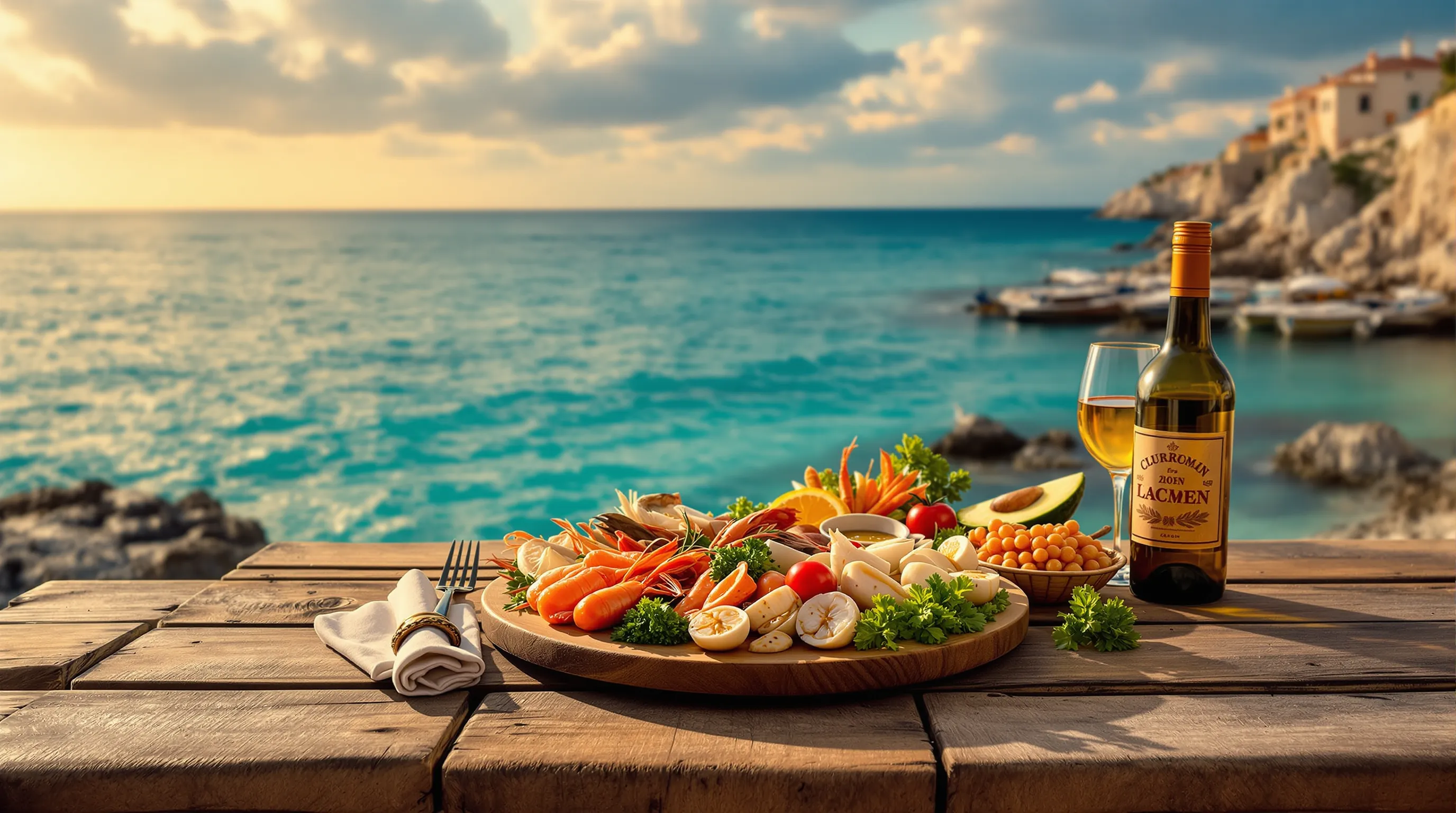
What Chefs Keep Secret About Mediterranean Coastal Culinary Treasures
Mediterranean coastal gastronomy captivates with its diversity and authenticity. With over 22,000 kilometres of coastline, this region offers a unique culinary mosaic where ancient traditions blend with contemporary innovations. From the fish markets of Marseille to the Greek tavernas of Amorgos, each destination reveals gustatory secrets passed down through generations. Local chefs master ancestral techniques to elevate the sea's bounty, creating a symphony of flavours that tells the maritime story of these sun-drenched lands.
Traditional fishing techniques that shape the flavours
Mediterranean fishing methods directly influence the taste quality of marine produce. Long-line fishing, practised since antiquity, captures noble fish such as bluefin tuna or sea bream without stress, thus preserving their delicate texture. In Catalonia, fishermen still use traditional 'llampugas' nets to catch dolphinfish. These respectful techniques maintain sustainable stocks: 70% of Mediterranean artisanal fisheries apply strict quotas. Trammel nets, specific to the Mediterranean, selectively capture species according to their size, ensuring responsible fishing. This traditional approach produces superior quality fish, recognisable by their firm flesh and concentrated aromas.
Night fishing with Sicilian lampara boats
In Sicily, lampara fishing has illuminated summer nights since the 17th century. This technique attracts anchovies and sardines to the surface using powerful spotlights. The captured fish maintain exceptional freshness as they're processed immediately on board. This method produces 40% of Mediterranean anchovies, renowned for their intense flavour and melting texture.
Exceptional produce from the Mediterranean Sea
Mediterranean marine biodiversity includes over 17,000 species, with 650 varieties of edible fish. Mediterranean bluefin tuna, weighing up to 250kg, develops unique marbled flesh thanks to warm currents. Purple sea urchins from Provence, harvested from November to April, offer an incomparable briny taste with 12% noble proteins. Bottarga, dried mullet roe, is dubbed 'Mediterranean caviar': one kilogram requires 15 female fish. Collioure anchovies have held PGI status since 2004, salted using century-old methods. Each region develops its specialities: Camargue tellins, Balearic cuttlefish, red prawns from Dénia. These exceptional products concentrate marine minerals, providing essential iron, zinc and omega-3 fatty acids.
Secret recipes of Mediterranean cooks
Mediterranean coastal chefs jealously guard their ancestral techniques. Authentic Marseille bouillabaisse follows a strict charter: minimum 4 fish varieties, two-stage cooking, homemade rouille. In Greece, kakavia uses only rock fish, simmered with first-press olive oil. Catalans prepare suquet de peix with sofrito perfumed with saffron, costing £25 per gramme. Neapolitan acqua pazza elevates white fish in San Marzano cherry tomato broth. These recipes require ultra-fresh produce: 80% of Michelin-starred restaurants source daily from local fishermen. Brief cooking preserves delicate textures, whilst Mediterranean aromatics (thyme, rosemary, wild fennel) enhance briny flavours.
Secrets of Venetian seafood risotto
In Venice, risotto di pesce follows precise protocol: Vialone Nano rice, langoustine head stock, final mantecatura with butter and Parmesan. Cooking takes exactly 18 minutes with constant stirring. Seafood is added in cooking order: mussels first, then prawns, finally scallops. This technique guarantees creamy texture and balanced flavours.
Practical advice
For an authentic coastal gastronomic experience, favour family restaurants near fishing ports. Average budget: £30-50 per person for a complete meal with fresh fish. High season (June-September) offers the greatest variety, but prices increase by 30%. Prefer May-June and September-October for moderate prices and optimal quality. Book 2-3 days in advance at renowned establishments. Check that fish are displayed whole on ice: a guarantee of freshness. Fish markets open at 6am, ideal for discovering the day's catch. Some restaurants offer cooking classes: £70-100 to learn local techniques. Avoid overly touristy areas where quality can be variable.
Frequently asked questions
What's the best time to enjoy Mediterranean seafood?
The optimal period runs from September to May, avoiding summer restrictions on certain species. Winter offers the finest sea urchins, oysters and shellfish. Noble fish like bluefin tuna are exceptional in autumn after their migration.
How can you recognise fresh fish in Mediterranean markets?
Fresh fish have bright, bulging eyes, bright red gills, firm flesh that springs back under pressure, and a subtle marine smell. The skin should be shiny with firmly attached scales.
What are the average prices for Mediterranean marine specialities in restaurants?
Expect £20-30 for traditional bouillabaisse, £15-25 for grilled noble fish, £35-50 for a seafood platter. Prices vary according to season and proximity to fishing ports.
Mediterranean coastal gastronomy reveals a culinary heritage of extraordinary richness, the fruit of millennia of exchanges between land and sea. These authentic flavours await you on your next Mediterranean getaway. Discover the finest gastronomic destinations and plan your gourmet journey at dauphin-mediterranee.com to experience these unforgettable culinary adventures.
Read also

7 Fascinating Secrets About Common Dolphins in the Mediterranean
Discover the 7 best-kept secrets of Mediterranean common dolphins: behaviours, h...

What These Marine Creatures Reveal About Our Mediterranean Coastlines' Health
Discover how Mediterranean starfish and sea urchins reveal the state of our mari...
7 Sea Activities in Marseille That Locals Have Kept Secret for Years
Discover Marseille's authentic nautical activities that only locals know about. ...

What Pilot Whales Reveal About the Secrets of the Mediterranean
Discover Mediterranean pilot whales: habitats, behaviours and best observation s...