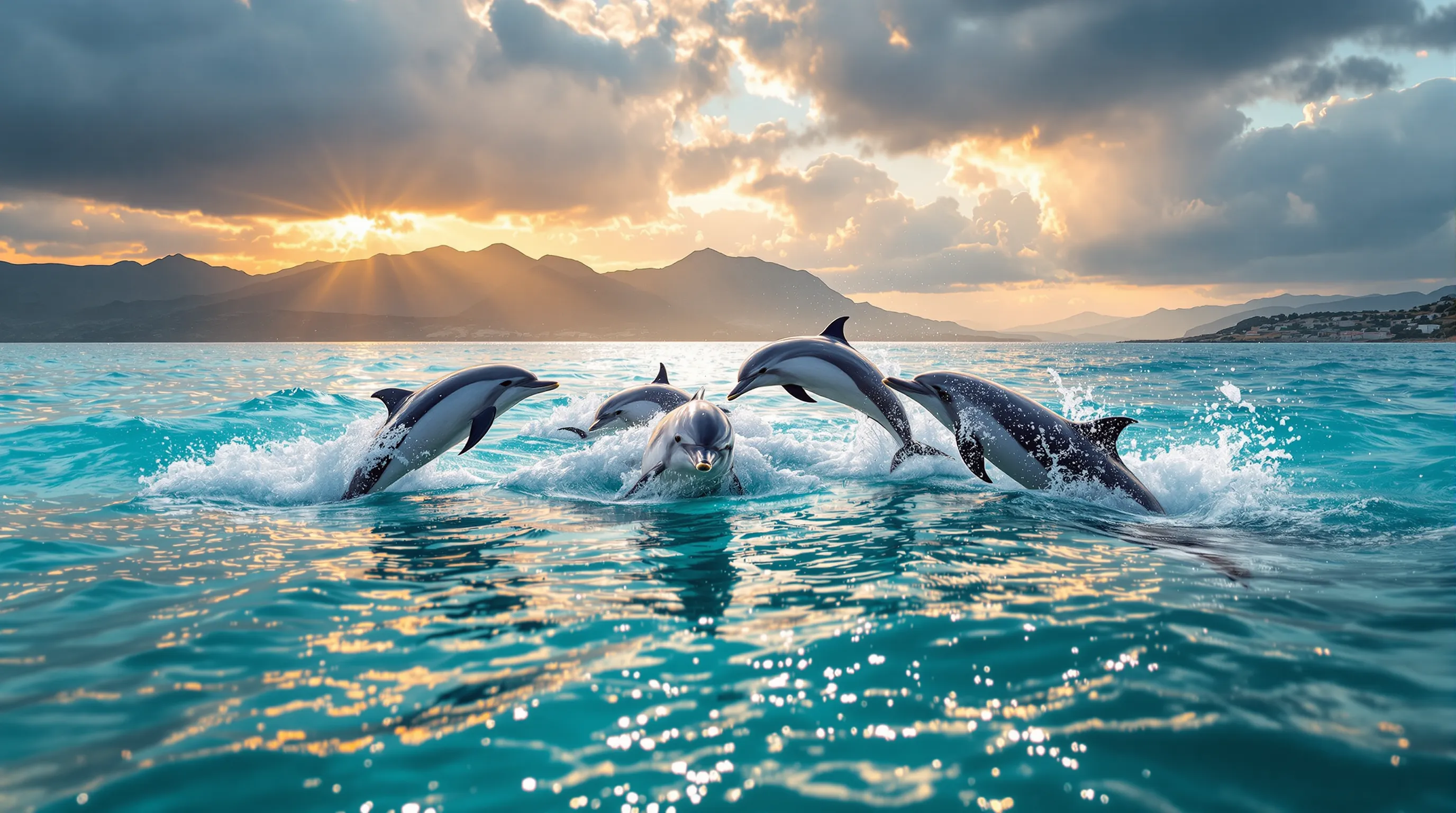
What Marine Biologists Reveal About Mediterranean Cetacean Watching
The Mediterranean Sea hosts exceptional marine biodiversity with over 21 recorded cetacean species. The international Pelagos Sanctuary, spanning 87,500 km² between France, Italy and Monaco, forms Europe's first refuge for these marine mammals. Each year, nearly 150,000 visitors attempt to spot striped dolphins, sperm whales and pilot whales in these privileged waters. The success of these excursions largely depends on timing and optimal weather conditions.
April to October: The Prime Watching Window
Marine biologists agree on an optimal period spanning April to October for Mediterranean cetacean observation. During this window, water temperatures range between 18°C and 25°C, encouraging plankton blooms and fish shoals that feed these marine mammals. Weather conditions are also more favourable, with observation success rates reaching 85% compared to just 45% in winter. Peak activity occurs between June and September, when striped dolphins are particularly active at the surface.
May and June: Excellent for Families
These two months offer ideal conditions with calm seas and exceptional visibility reaching up to 40 metres depth. Young cetaceans accompany their mothers, providing unforgettable natural spectacles. Tourist numbers remain moderate, ensuring more peaceful excursions.
Essential Observation Zones in the Pelagos Sanctuary
The Monaco Canyon represents one of the most prolific spots with 92% successful trips according to local operator statistics. This 2,700-metre-deep marine trench attracts sperm whales and pilot whales just 12 kilometres from the coast. Off Sanary-sur-Mer and Cassis, nutrient-rich seabeds concentrate common dolphins and bottlenose dolphins. Excursions from Port-Cros also offer excellent opportunities, particularly for observing groups of striped dolphins travelling in pods of 30 to 50 individuals.
Weather Factors and Cetacean Behaviour
The strength of the mistral directly influences observation chances. Winds below 15 knots guarantee optimal conditions, whilst beyond 25 knots, trips become compromised. Swells under 1 metre facilitate spotting of blows and dorsal fins. Cetaceans favour upwelling zones where cold currents rise to the surface, typically located 15 to 30 nautical miles from shore. Medium tide coefficients (between 45 and 70) create favourable feeding conditions, concentrating prey and attracting marine mammals.
Prime Times: Morning and Late Afternoon
Cetaceans are most active between 8am-11am and 4pm-6pm, periods when light conditions aid spotting without dazzling them. These time slots also correspond to when fish rise towards the surface to feed.
Practical Tips for a Successful Trip
Book your excursions 48 hours in advance during peak season to guarantee your place on boats limited to 12 passengers maximum. Expect to pay £40-75 per adult depending on duration (3-6 hours) and vessel type. Morning departures generally offer better weather conditions and fewer crowds. Equip yourself with biodegradable sun cream, a windbreaker and polarised sunglasses to optimise observation. Cameras with telephoto lenses (200mm minimum) allow you to capture marine mammals without disturbing them. Choose operators certified by High Quality Whale-Watching schemes guaranteeing respect for the regulatory 100-metre distance.
Frequently asked questions
What's the best period for spotting sperm whales in the Mediterranean?
Sperm whales can be observed year-round but the optimal period runs from May to September. During these months, they frequent the surface waters of the Monaco Canyon and waters off Toulon more often, with peak activity in July-August.
How much does a cetacean watching trip cost from the French Riviera?
Prices range from £40-75 per adult depending on duration and operator. Three-hour trips cost approximately £40-50, whilst 6-hour excursions reach £65-75. Children typically benefit from reduced rates.
What are the chances of spotting dolphins on a Mediterranean sea trip?
Between April and October, success rates reach 85% in the Pelagos Sanctuary. Striped dolphins account for 70% of sightings, followed by common dolphins (20%) and bottlenose dolphins (10%). Weather conditions directly influence these statistics.
Mediterranean cetacean watching reveals its secrets to patient and well-prepared visitors. The May-September period offers the best conditions, combining favourable weather with intense marine activity. To experience this unique adventure whilst respecting marine wildlife, discover the ecological excursions offered at dauphin-mediterranee.com, your expert guide for authentic encounters with the ocean's gentle giants.
Read also
7 secrets of Mediterranean octopuses that even marine biologists don't know
Discover the fascinating secrets of Mediterranean octopuses: intelligence, camou...
What Marseille Locals Keep Secret About Their Favourite Water Activities
Discover Marseille locals' secret sea activities: diving, sailing, paddleboardin...

What Mediterranean Posidonia Seagrass Meadows Hide Beneath the Waves Will Amaze You
Discover the secrets of posidonia seagrass meadows, the true lungs of the Medite...
Why the Calanques of Marseille Hide the Mediterranean's Most Beautiful Diving Sites
Discover the secrets of diving in Marseille's Calanques: exceptional sites, Medi...