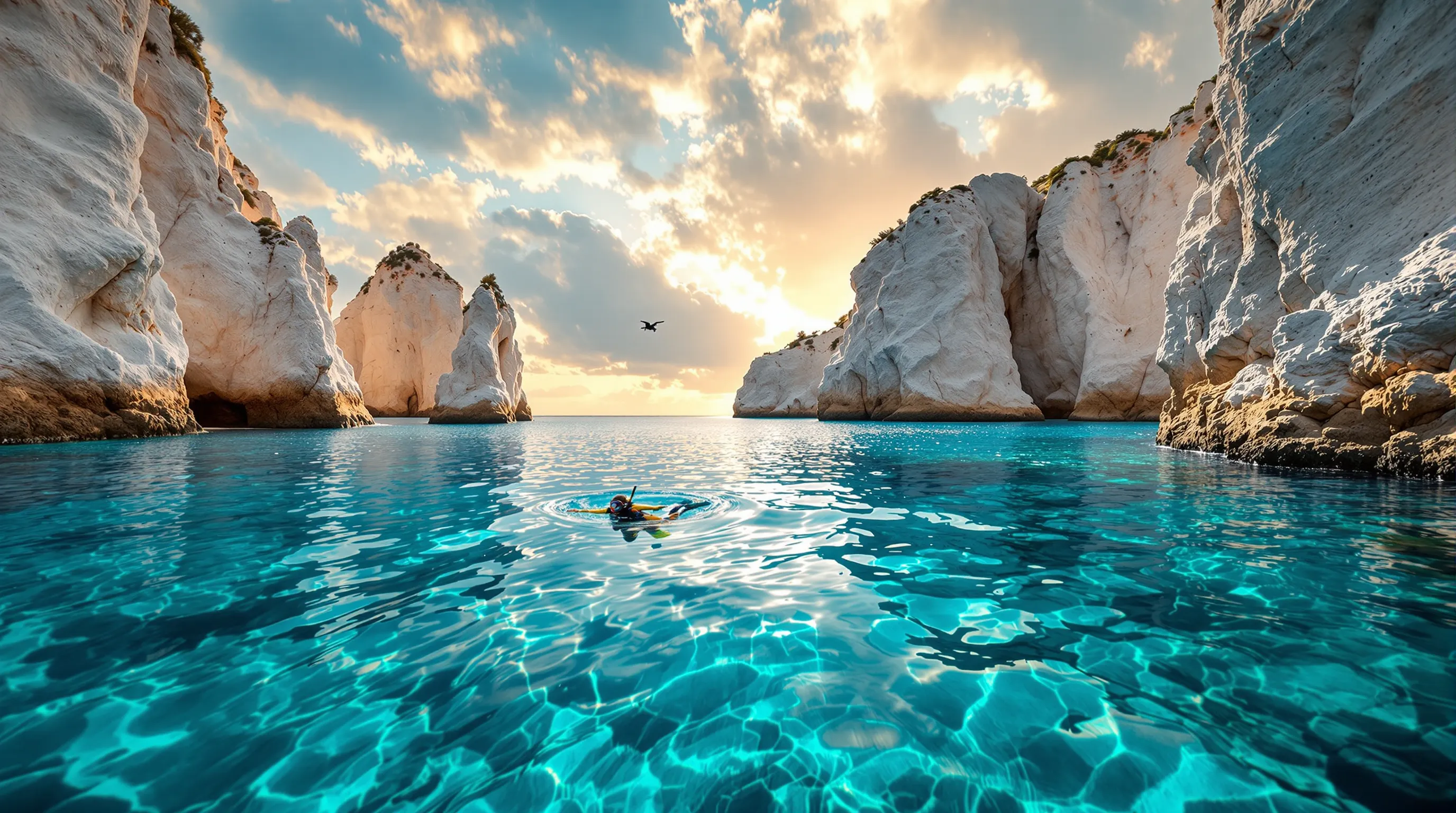
These 7 Diving Secrets in the Calanques That Marseille Locals Keep Hidden
The Calanques of Marseille harbour 40 exceptional diving sites along 20km of pristine coastline. This geological wonder offers spectacular drop-offs down to 60 metres depth, remarkable biodiversity with over 500 recorded marine species, and unique rock formations sculpted 120 million years ago. Between crystal-clear waters reaching 25°C in summer and visibility extending up to 40 metres, this territory designated as a National Park since 2012 represents a privileged playground for 15,000 divers annually.
Secret spots that only locals know about
Beyond classic sites like Planier or the Chaouen wreck, Marseille locals jealously guard their confidential spots. Grotte à Pérez, accessible only in calm seas, reveals an underwater cathedral of 25 metres adorned with century-old purple gorgonians. The Cassidaigne Wall, situated 3 nautical miles from Cassis, plunges vertically for 80 metres in exceptional coralligène scenery. These sites, preserved from mass tourism, shelter populations of dusky groupers exceeding 80cm and spectacular schools of Mediterranean barracuda. Access requires perfect knowledge of currents and weather conditions.
Deep spot approach technique
Experienced divers use the 'pendulum dive' technique to conserve air and maximise exploration time. This method involves descending rapidly along the wall, exploring the deepest zone first, then ascending gradually in a spiral. This approach allows respect for decompression stops whilst optimising discovery of different marine biological levels.
Exceptional biodiversity of Marseille's seabed
The Calanques host 60% of Mediterranean species on just 2% of its surface area. Posidonia seagrass beds, true marine lungs, extend over 2,500 hectares and produce 20 litres of oxygen per m² daily. Divers regularly observe striped dolphins, 8 species of harmless sharks, and over 180 fish species. The coralligène formations, aged several millennia, create colourful reefs comparable to tropical corals. Marine density reaches 12kg of biomass per m², a Mediterranean record thanks to the National Park's strict protection over the past decade.
Optimal conditions and seasonality
Maximum visibility occurs from May to October with peaks at 40 metres in September. Temperature ranges between 13°C in February and 25°C in August, requiring a 7mm wetsuit in winter and 3mm in summer. The mistral, the dominant wind, generates north-westerly swells rendering certain sites inaccessible. The best conditions concentrate over 180 days annually, mainly during shoulder seasons. Full moon strongly influences marine activity, with pelagic fauna observations increasing by 40% during this period. Currents, generally weak, can reach 2 knots near headlands during strong tidal coefficients.
Optimal marine species calendar
Each season reveals specific marvels: colourful nudibranchs proliferate in spring, bluefin tuna hunt at the surface in summer, cuttlefish reproduce in autumn amongst the seagrass beds, and winter reveals lesser spotted dogfish spawning in caves. This natural rhythm guides passionate divers towards targeted observations according to their biological interests.
Practical tips for successful diving
Average budget amounts to £38 per guided dive, £30 independently with full equipment hire. Approved centres offer weekly packages from £240. Booking 48 hours in advance is essential during high season, with morning slots (7am-9am) offering the best conditions before wind picks up. Recommended equipment includes a dive computer, delayed surface marker buoy and powerful torch for under-rock explorations. Level 2 minimum required for deep sites, Nitrox training strongly advised to extend bottom times. Arrange specialist insurance covering underwater activities to 60 metres depth.
Frequently asked questions
What diving level is needed to explore the Calanques?
CMAS 1-star or PADI Open Water suffices for 80% of sites under 20 metres. Iconic spots like Planier or the Blue Grotto require 2-star minimum. Technical diving on deep wrecks demands Advanced certification and 50 logged dives experience.
When to dive in the Calanques for optimal visibility?
The May-October period offers the best conditions with average visibility of 25 metres. September remains the ideal month combining pleasant temperature (22°C), maximum visibility (35-40m) and low tourist numbers. Avoid July-August to escape crowds and favour morning slots before 10am.
Can one dive independently in the Calanques without a guide?
Independent diving is permitted for 2-star and above in the National Park's peripheral zone. It remains prohibited in the park's core without special authorisation. Independent divers must strictly respect regulations: maritime signalling, respect for mooring zones and prohibition of collection.
Marseille's Calanques reveal their underwater treasures to divers respectful of this fragile ecosystem. Between exceptional biodiversity and unique geological landscapes, each immersion becomes a memorable adventure in this Mediterranean jewel. Discover other marvels of our coast on dauphin-mediterranee.com to plan your next marine explorations in Provence.
Read also
Why These 7 Mediterranean Harbours Will Transform Your Coastal Travel Experience
Discover 7 authentic Mediterranean harbours where maritime tradition and natural...
What Expert Boaters Do in Antibes for Unique Nautical Thrills
Discover exclusive nautical activities in Antibes and its peninsula: diving, sai...
What Chefs Keep Secret About Mediterranean Coastal Culinary Treasures
Discover the secrets of Mediterranean coastal cuisine: ancient techniques, excep...
7 Fascinating Secrets About Common Dolphins in the Mediterranean
Discover the 7 best-kept secrets of Mediterranean common dolphins: behaviours, h...