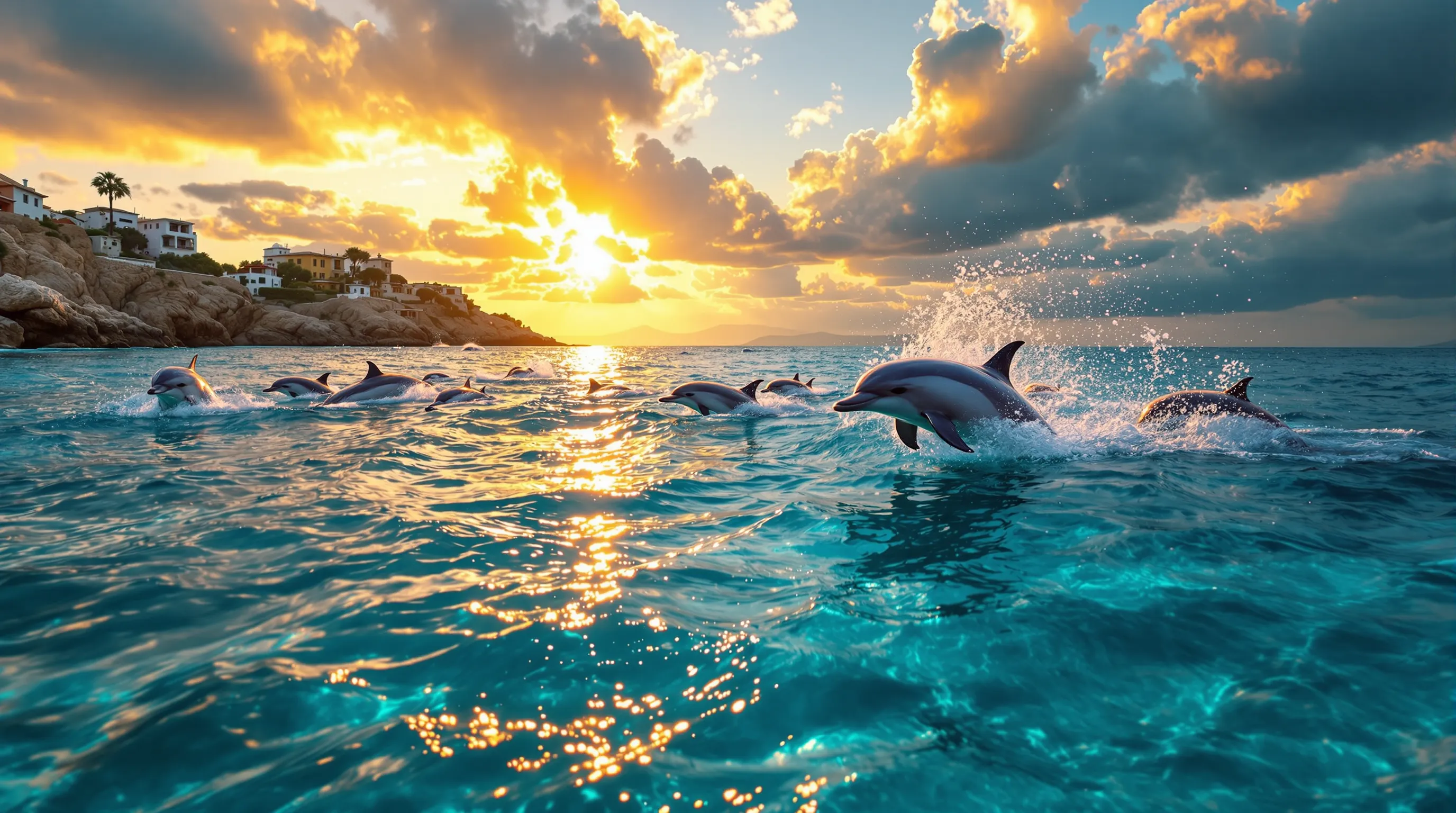
5 secrets to swimming with wild dolphins in the Mediterranean revealed
Swimming with dolphins in the Mediterranean remains an achievable dream, albeit strictly regulated. Over 10,000 dolphins inhabit the Pelagos International Sanctuary, spanning waters between France, Monaco and Italy. This protected zone of 87,500 km² offers unique observation opportunities, but direct swimming with these marine mammals follows precise rules. Maritime authorities only permit respectful approaches maintaining minimum distances, favouring observation from certified vessels. These regulations protect ecosystems whilst enabling magical encounters.
The Pelagos Sanctuary: prime zone for dolphin watching
The Pelagos International Sanctuary constitutes the most favourable maritime territory for encounters with Mediterranean dolphins. This transnational nature reserve shelters 8 different cetacean species, with striped dolphins representing 85% of the population. The deep waters of the Roya-Taggia underwater canyon concentrate exceptional biodiversity. Between May and October, optimal weather conditions enable observation trips with 90% encounter success rates. Nutrient-rich marine currents attract krill and fish, creating a favourable ecosystem. Certified professionals organise excursions from Nice, Cannes, Monaco and Imperia, respecting marine mammal migration corridors.
Strict sanctuary regulations
Legislation imposes a minimum distance of 100 metres from dolphins. Vessels must reduce speed to maximum 5 knots in cetacean presence. Engines must be switched off during close approaches. These measures protect natural animal behaviour and prevent stress. Offenders risk fines up to €150,000.
Authorised excursions and responsible practices
Respectful observation trips represent the only legal approach to encounter Mediterranean dolphins. Licensed operators offer 3 to 8-hour excursions with marine biologists aboard for environmental education. Boats equipped with hydrophones enable listening to dolphin communications without disturbance. Some excursions include snorkelling in permitted areas, away from cetacean groups. Prime time slots occur between 9am and 3pm, when dolphins hunt at surface level. Prices range from £40 to £105 depending on duration and included services. Advance booking remains recommended, particularly during peak summer season.
Legal alternatives for dolphin experiences
Several Mediterranean sanctuaries and research centres offer educational immersion programmes with dolphins. The Port-Cros research centre organises scientific volunteer placements including observations and data collection. Aquariums in Genoa, Monaco and Marineland Antibes provide supervised swimming programmes with captive dolphins in strict educational frameworks. These alternatives enable respectful approaches whilst contributing to marine research. Certified diving centres also offer introductory freediving sessions in dolphin-frequented zones, with passive observation only. These experiences combine environmental awareness with authentic emotions.
Participatory research programmes
Mediterranean universities recruit volunteers for cetacean study missions. These 5 to 15-day programmes include scientific training, observation trips and data analysis. Participants contribute to population surveys and behavioural studies. This citizen science approach effectively raises marine protection awareness whilst offering privileged dolphin encounters.
Practical tips for organising your trip
The best period extends from May to October, with peak activity in July-August when 95% of trips result in sightings. Book 2-3 weeks in advance to guarantee your place on certified boats. Budget required: £55-70 per adult for half-day, £90-130 for full day with meals. Pack warm clothing even in summer, as temperatures drop offshore. Biodegradable sunscreen mandatory to protect marine ecosystems. Consider seasickness medication if necessary. Departures generally operate from ports in Nice, Cannes, Antibes, Monaco and Sanremo on the Italian side. Check weather conditions 24 hours beforehand, as trips may be cancelled in rough seas.
Frequently asked questions
Is it legal to swim with wild dolphins in the Mediterranean?
No, direct swimming with wild dolphins is prohibited in the Mediterranean. Regulations impose a minimum distance of 100 metres from cetaceans. Only observation from certified boats is permitted within the Pelagos Sanctuary. Offenders risk substantial fines. Respectful excursions remain the only legal means to approach these marine mammals.
What are the best areas for dolphin watching in the Mediterranean?
The Pelagos International Sanctuary offers the finest observation opportunities between France, Monaco and Italy. This protected zone of 87,500 km² shelters over 10,000 dolphins. Underwater canyons between Nice and Italy concentrate the highest cetacean densities. Trips from Nice, Cannes, Monaco and Imperia guarantee 90% encounter chances between May and October.
How much does a dolphin watching excursion cost in the Mediterranean?
Prices vary from £40 to £105 depending on duration and services. Half-day trips typically cost £55-70 per adult, whilst full days with meals reach £90-130. Excursions with marine biologists and hydrophone equipment cost more but prove more enriching. Book in advance for the best rates, especially during peak summer season.
Swimming with dolphins in the Mediterranean remains a strictly regulated privilege under Pelagos Sanctuary legislation. Respectful observation excursions offer magical encounters whilst preserving these exceptional marine mammals. To experience this unique adventure whilst respecting Mediterranean biodiversity, book your trip on dauphin-mediterranee.com and contribute to protecting this irreplaceable natural heritage.
Read also
What marine biologists reveal about the mysterious Risso's dolphin
Discover the secrets of Risso's dolphins in the Mediterranean: behaviour, habita...
What Captains Reveal About Secret French Riviera Cruises
Discover confidential French Riviera cruises according to local captains. Exclus...
What Marine Biologists Reveal About Mediterranean Cetacean Migrations
Discover when and where to spot whales and dolphins in the Mediterranean accordi...
What Marine Biologists Are Hiding About Mediterranean Corals
Discover the secrets of Mediterranean corals revealed by experts. 40 unique spec...