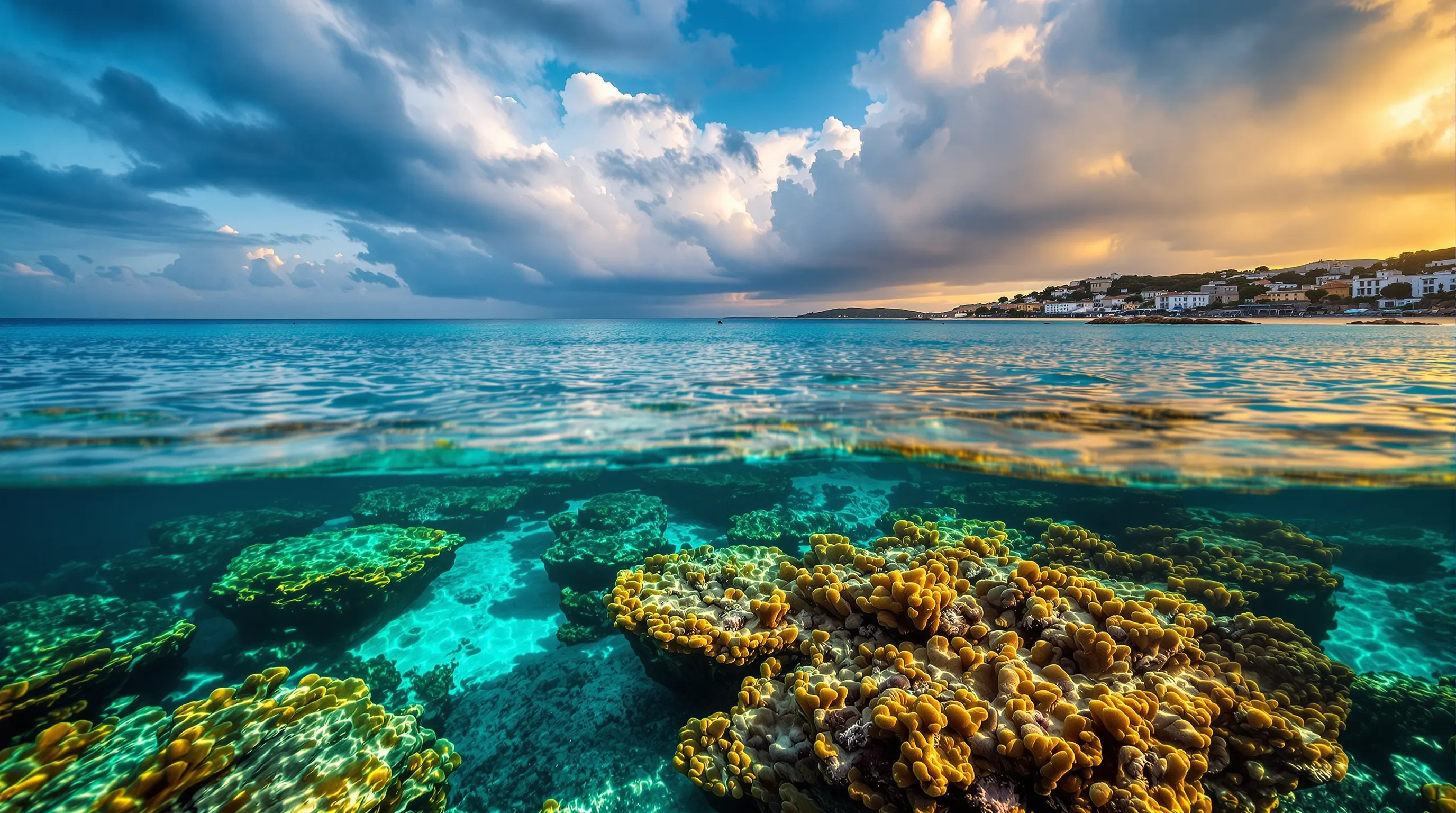
What Marine Biologists Are Hiding About Mediterranean Corals
The Mediterranean hosts over 40 coral species, a little-known treasure that fascinates marine biologists. Contrary to popular belief, this temperate sea harbours spectacular coral reefs, particularly off the French Riviera and the Balearics. These millennia-old formations, veritable oases of biodiversity, shelter more than 1,200 endemic marine species. Yet 70% of tourists remain unaware of their existence. Climate change now threatens these fragile ecosystems, with a 1.5°C temperature rise over 30 years disrupting their natural balance.
Mediterranean coral species unknown to the general public
Red coral (Corallium rubrum) remains the emblematic species, exploited since antiquity for jewellery. But the Mediterranean conceals many other marvels: the deep-water yellow coral (Dendrophyllia cornigera), found between 40 and 200 metres, forms spectacular colonies reaching 2 metres in height. Astroides calycularis, dubbed orange sun coral, colonises the underwater caves of Provence and Spain. These endemic species exist nowhere else on Earth. Their reproductive cycles, studied by Monaco's Oceanographic Institute, reveal unique adaptation strategies to Mediterranean conditions. The slow growth of these organisms, 1 to 3 millimetres per year, makes them veritable climate archives.
Red coral, jewellers' treasure for 2,000 years
Harvested at depths of 10 to 200 metres, Mediterranean red coral fuels a £42 million annual market. Its extremely slow growth, averaging 0.24 millimetres per year, requires strict sustainable management. Century-old colonies, veritable underwater cathedrals, can reach 50 centimetres in height. Their regulated exploitation now protects this species, listed in the Barcelona Convention since 1995.
Climate threats worrying scientists
Mediterranean water warming, faster than the global average at +0.4°C per decade, causes lethal thermal stress for corals. The 2022 marine heatwaves caused 80% mortality in certain gorgonian colonies between 15 and 45 metres depth. Ocean acidification, linked to atmospheric CO2 absorption, reduces corals' ability to build their limestone skeleton. Mediterranean pH has dropped by 0.1 units since 1990. Researchers at the Mediterranean Institute of Oceanology also document the impact of invasive species like the Caulerpa taxifolia alga, which suffocates coral habitats. These multiple threats create an unprecedented destructive cocktail in the Mediterranean's geological history.
Diving sites for observing Mediterranean corals
Corsica's Scandola Nature Reserve boasts the highest density of red coral accessible to recreational divers. The drop-offs between 20 and 40 metres offer unforgettable spectacles with centuries-old colonies. Port-Cros National Park harbours exceptional gorgonian gardens on the Gabinière islet. In Spain, the Medes Islands and rocky depths of l'Estartit reveal remarkable yellow coral populations. Certified diving centres offer specialised 'underwater biology' training to recognise and respect these fragile ecosystems. The optimal period extends from April to October with maximum visibility of 30 metres in September-October.
Responsible diving protocols near coral reefs
Diving on coral reefs requires perfect buoyancy to avoid any destructive contact. Fins, the main danger to these fragile organisms, must remain at least 2 metres from colonies. The prohibition of collection, even minimal, protects these slow-growing species. Underwater photographers use LED lighting less stressful than traditional flashes to document these wonders without disturbing them.
Practical advice for discovering Mediterranean corals
Coral diving budgets range from £38 to £55 per guided trip, equipment included. Weekend 'marine biology discovery' packages range between £152 and £212 with half-board accommodation. PADI Open Water or equivalent FFESSM certification remains essential for accessing deep sites where the finest colonies thrive. Book your trips 48 hours in advance during peak season, as places are limited on protected sites. Optimal weather conditions concentrate during April-May and September-October anticyclonic windows. Diving centres partnering with marine protected areas guarantee quality scientific supervision with specialist guide-naturalists in Mediterranean coral biology.
Frequently asked questions
Can you see corals whilst snorkelling in the Mediterranean?
Snorkelling allows observation of some species like yellow gorgonians in the shallow depths of Cassis or Port-Cros calanques. However, the finest red and yellow corals require scuba diving between 20 and 50 metres depth for a complete experience.
What's the best season for diving on Mediterranean coral reefs?
September-October offer ideal conditions with maximum visibility of 25-30 metres and temperatures of 18-22°C. Avoid July-August when tourist crowds degrade diving quality. Spring (April-May) also presents excellent conditions with less congestion.
Are Mediterranean corals threatened by climate change?
Absolutely. Mediterranean warming (+1.5°C in 30 years) causes mass mortality. The 2022 marine heatwaves killed 80% of gorgonians in certain areas. Ocean acidification also complicates limestone skeleton formation. Scientists estimate 50% losses since 1990.
Mediterranean corals constitute exceptional natural heritage threatened by climate change. Their discovery through responsible diving raises awareness of these millennia-old ecosystems' fragility. To plan your Mediterranean seabed exploration and discover other marvels like dolphins, consult our expert guides on dauphin-mediterranee.com and contribute to preserving this unique underwater treasure.