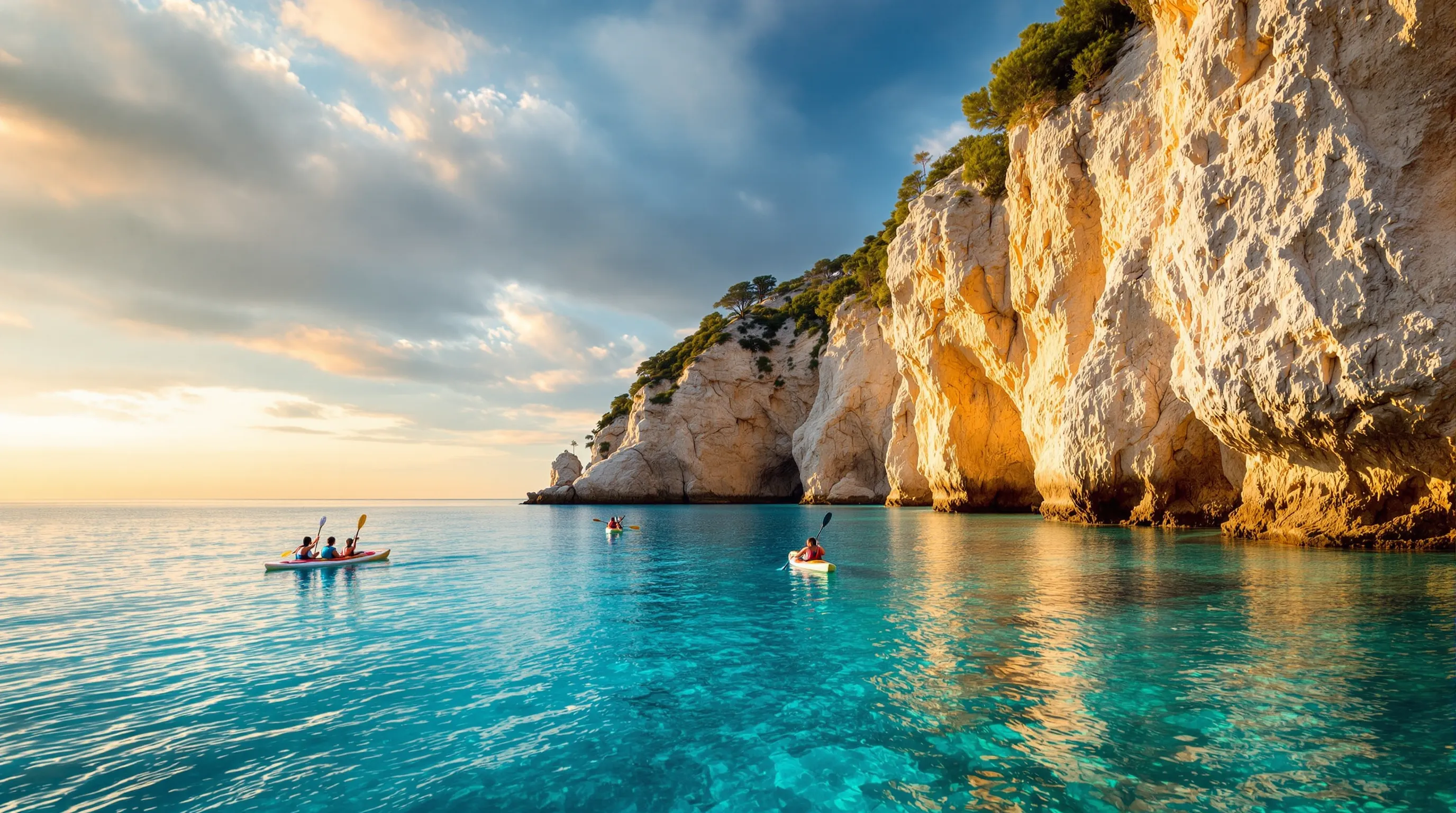
Why Local Guides Keep These Secret Kayaking Spots in Provence Hidden
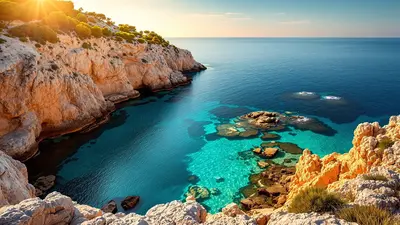
The Provençal coastline conceals gems accessible only by kayak or paddleboard. Between Cassis and Menton, 300 kilometres of coast harbour secret coves, marine caves and pristine coral reefs. These confidential spots, jealously guarded by local guides, offer unique experiences far from crowded beaches. The crystal-clear water reaches 24°C in summer, underwater visibility often exceeds 20 metres, and Mediterranean biodiversity flourishes in these natural sanctuaries protected from mass tourism.
Hidden Calanques Between Cassis and La Ciotat
Beyond the famous calanques of En-Vau and Sormiou, secretive coves nestle within limestone cliffs. The Calanque de l'Œil de Verre, accessible only by sea, reveals a turquoise lagoon 15 metres deep. Currents here are gentle (maximum 0.2 knots), ideal for beginners. The Calanque des Contrebandiers, located 2.5 kilometres south of Cassis, shelters an 80-metre stretch of white pebble beach. These spots benefit from natural protection against the mistral, offering optimal sailing conditions 280 days per year. Water remains transparent down to 8 metres depth, allowing observation of grouper, octopi and posidonia meadows.
Navigation Techniques in the Calanques
Kayaking in these rocky areas requires particular technique. Maintain a minimum distance of 3 metres from cliff faces to avoid backwash. Use the 'ferry glide' technique to cross lateral currents near headlands. Tides with coefficients above 70 create currents of 1.5 knots in narrow passages.
Lesser-Known Paddle Spots of the Eastern French Riviera
Between Antibes and Menton, the coast reveals hidden treasures perfect for stand-up paddling. The Anse de Sainte-Marguerite, facing the Lérins Islands, offers a sheltered 2-square-kilometre stretch of water. Depths vary between 3 and 12 metres, creating a spectacular gradient of blues. Cap d'Ail conceals three coves accessible only by paddle: the 150-metre-long Anse des Pissarelles, Baie des Fourmis with its sculpted rocks, and Crique de la Mala, traditional refuge of Monégasque fishermen. These spots enjoy 320 days of sunshine annually and water temperatures above 18°C from May to October. The seabed presents exceptional richness with over 150 recorded fish species.
Marine Caves and Reefs of Western Var
The Var coastline between Bandol and Hyères contains unique geological formations. The 200-metre-long Grotte de la Ciotat can be visited by transparent kayak to admire underwater limestone concretions. The Porquerolles Sud reefs shelter red gorgonian gardens across 15 hectares. These fragile ecosystems require respectful approach: speed limited to 3 knots, anchoring forbidden on seagrass beds. The Grotte du Figuier, near Cap Bénat, features an 8-metre-high natural vault where crested cormorants nest. Access requires low tide and favourable weather conditions. These sites offer exceptional free-diving conditions with average summer visibility of 25 metres.
Environmental Protection Regulations
These marine ecosystems are protected by strict regulations. Anchoring on posidonia meadows is forbidden, punishable by a £1,300 fine. Seabird breeding periods (April-July) restrict access to certain caves. Maintain a minimum 50-metre distance from marine wildlife and use reef-safe suncreams without chemical filters.
Practical Advice
Kayak hire costs between £22 and £35 per half-day depending on season and model. Paddleboards rent for £18 to £30. Prices decrease by 30% in April-May and September-October. Book 48 hours in advance during high season. Best conditions occur mornings before 11am and after 4pm, when thermal winds subside. Favour rising tides for cave exploration. Safety equipment includes mandatory life jacket, whistle, waterproof phone and marine GPS. Watersports centres offer beginner courses from £52. Some spots require advanced level and local guide accompaniment for £70-105 per person.
Frequently asked questions
What's the best time for kayaking in Provence?
The ideal season runs from May to October with water temperatures between 18 and 24°C. July-August offer the finest conditions but require advance booking. September remains optimal with fewer crowds and sea still warm at 22°C.
Do you need a licence to paddle along the Mediterranean coast?
No licence is required for non-motorised kayaks and paddleboards. However, wearing a life jacket is mandatory beyond 300 metres from shore. Certain protected areas like Port-Cros impose specific restrictions that must be observed.
How can you access secret kayaking spots without a local guide?
Use detailed marine charts and marine GPS apps to locate isolated coves. Check with harbour masters for weather and tide conditions. Respect no-anchoring zones and favour guided trips to discover the most technical spots safely.
The Provençal coastline reveals its secrets to adventurous paddlers. These preserved spots offer authentic experiences away from summer crowds. To discover more Mediterranean treasures and organise your sea excursions, visit dauphin-mediterranee.com and dive into the fascinating world of Provençal marine life.
Read also
What Divers Keep Secret About Mediterranean Snorkelling Spots
Discover 10 secret Mediterranean snorkelling spots known only to experts. Crysta...
5 Fascinating Secrets About Fin Whales That Marine Biologists Reveal
Discover the secrets of Mediterranean fin whales, these 20-metre giants that fas...
Why These Underwater Meadows Transform the Mediterranean into a Blue Oasis
Discover Posidonia seagrass meadows, the true lungs of the Mediterranean. These ...
Secret Corsican marine spots that even locals keep hidden will take your breath away
Discover Corsica's secret marine spots that even locals prefer to keep to themse...