What Marine Biologists Are Actually Discovering Off the Monaco Coast
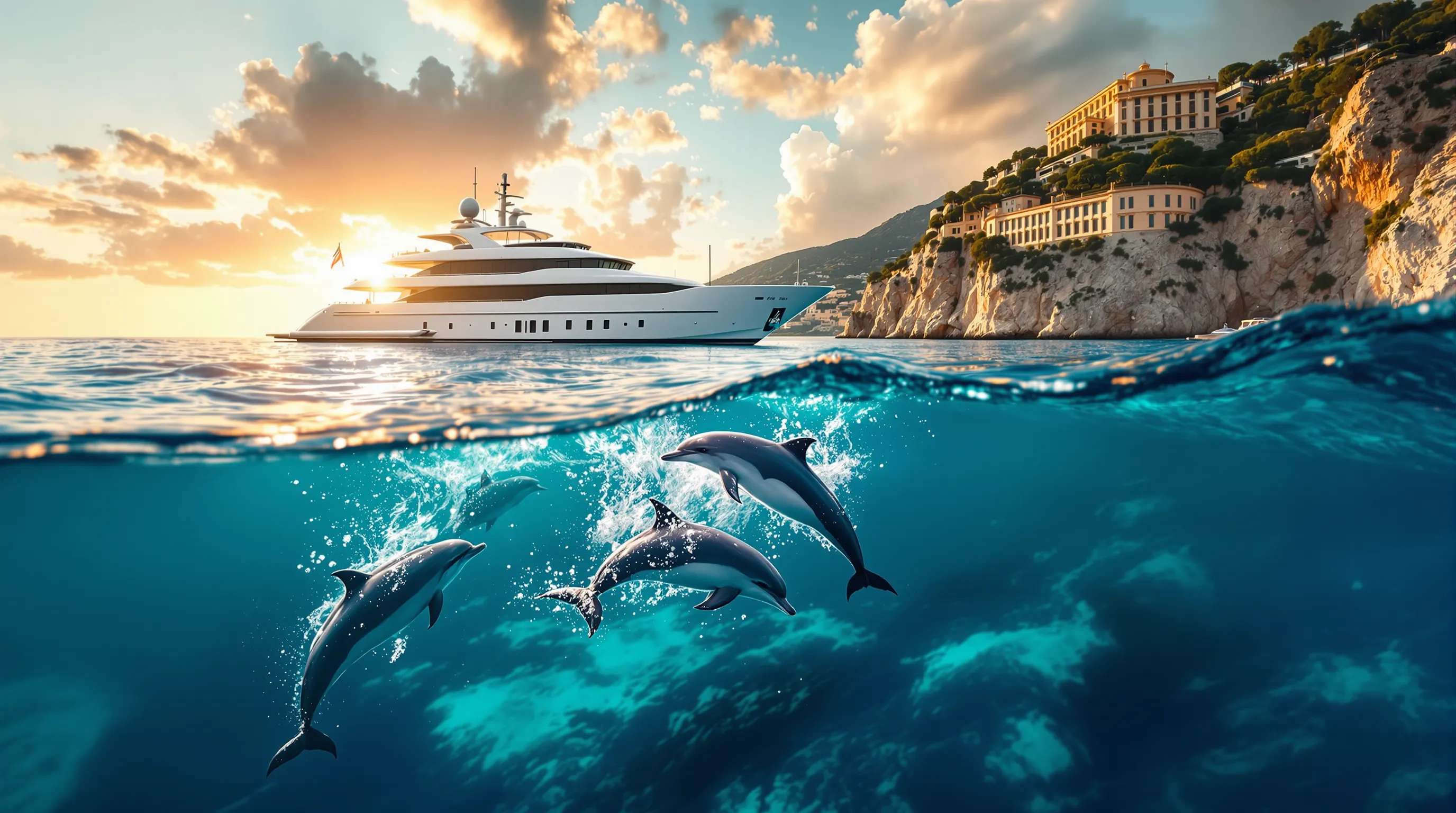
Off the Monaco coast, the Pelagos International Sanctuary harbours one of the Mediterranean's richest marine biodiversities. This protected area spanning 87,500 km² is home to 8,500 marine species, including 20 species of cetaceans. Each year, over 40,000 visitors embark from Port Hercule to observe striped dolphins, sperm whales, and fin whales. Monaco's waters, reaching depths of 2,000 metres just 20 kilometres offshore, provide exceptional conditions for observing marine megafauna, particularly between April and October.
The Pelagos Sanctuary: A Unique Global Ecosystem
Established in 1999, the Pelagos Sanctuary spans French, Italian, and Monégasque waters. This marine protected area benefits from natural upwelling that brings nutrients from the depths, creating an exceptionally rich food chain. Mediterranean krill thrives here, attracting large cetaceans. Scientists regularly record fin whales measuring 20 metres in length, the second-largest whale species in the world. The stable water temperature (18-24°C) and favourable currents maintain this unique biodiversity. Monaco invests £1.7 million annually in marine research, notably through the Oceanographic Institute founded by Prince Albert I.
The Sanctuary's Flagship Species
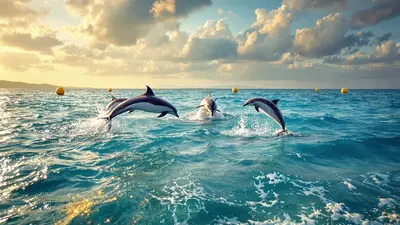
Twenty cetacean species regularly frequent these waters. Striped dolphins account for 80% of sightings, travelling in groups of 20 to 200 individuals. Sperm whales dive to depths of 2,000 metres to hunt giant squid. Long-finned pilot whales, nicknamed 'blackfish', navigate in family pods of 15 to 30 members.
Wildlife Watching Cruises: An Accessible Scientific Experience
Monégasque companies offer 3-hour excursions with a 95% success rate for sightings between May and September. Boats accommodating 12 to 50 passengers depart from Port Hercule, equipped with hydrophones to detect whale songs. Naturalist guides, trained by the Oceanographic Institute, identify species and explain observed behaviours. Departures are at 9 AM and 2 PM, taking advantage of optimal calm sea conditions. Costs range from £39 for adults to £22 for children. VIP excursions on luxury catamarans include refreshments and multilingual commentary for £105. Booking is essential during peak season, with slots filling up 2 weeks in advance.
Observation Techniques and Animal Behaviour
Responsible observation follows international protocols for cetacean approach. Boats maintain a minimum distance of 100 metres and reduce speed to 5 knots in the presence of animals. Curious dolphins often approach spontaneously, surfing in the wake of vessels. Whales surface to breathe every 15 minutes, creating predictable observation windows. Guides use stabilised binoculars and towed underwater cameras to reveal marine life beneath the surface. The dolphins' morning calls around 8 AM and late afternoon feeding activity maximise chances of spectacular encounters. GPS technology allows mapping of high animal concentration zones.
Photography and Wildlife Respect
Amateur photographers receive technical advice to capture these encounters. Flash photography is prohibited as it can disturb the animals. 200-400mm lenses allow close-up shots without intrusive approaches. Respecting regulatory distances ensures the sustainability of these privileged observations.
Practical Tips for a Successful Trip
The optimal season runs from April to October, with peak activity in June-July. Mediterranean weather conditions allow for 280 sailing days per year. It's recommended to dress in layers, as temperatures drop by 5°C offshore. Mineral sunscreen protects without polluting the marine ecosystem. Those prone to seasickness should take preventive treatment 2 hours before boarding. Water and snacks are generally included. Online booking often offers 15% discount on standard rates. Groups of 8 people benefit from preferential rates. Cancellation due to poor weather is fully refunded or rescheduled without additional charges.
Frequently asked questions
When is the best time to spot whales off Monaco?
The optimal period runs from May to September, with peak activity in June-July. Fin whales are more frequently seen in early summer, whilst sperm whales are observed more in autumn. Weather conditions are then ideal with calm seas and excellent visibility.
How much does a cetacean watching cruise from Monaco cost?
Prices range from £39 for an adult on a standard trip to £105 for a VIP catamaran excursion. Children benefit from reduced rates at £22. Group bookings can secure discounts of 10 to 15% depending on the operator.
Can you really see whales from Monaco year-round?
The Pelagos Sanctuary hosts resident cetaceans throughout the year, but sightings are more frequent from April to October. In winter, weather conditions limit excursions, but dolphins remain present. The observation success rate reaches 95% in high season compared to 60% in winter.
Monaco offers privileged access to one of the Mediterranean's richest marine ecosystems. These wildlife watching cruises combine tourist pleasure with environmental awareness in an exceptional setting. To deepen your knowledge of Mediterranean cetaceans and plan your next excursion, consult specialist resources on dauphin-mediterranee.com. An unforgettable experience awaits you at the heart of the Pelagos Sanctuary.
Read also
These Mediterranean creatures will transform your vision of the seafloor
Discover exceptional Mediterranean marine life: dolphins, groupers, Posidonia. C...
Why This Secret Agenda Will Transform Your Nautical Summer on the French Riviera
Discover the exclusive nautical agenda of the French Riviera: prestigious regatt...
What Divers Keep Secret About Villefranche-sur-Mer's Crystal-Clear Waters
Discover the secrets of water sports in Villefranche-sur-Mer. Diving, kayaking, ...
7 Things You Didn't Know About Dolphin Protection in the Mediterranean
Discover the secret initiatives protecting dolphins and whales in the Mediterran...