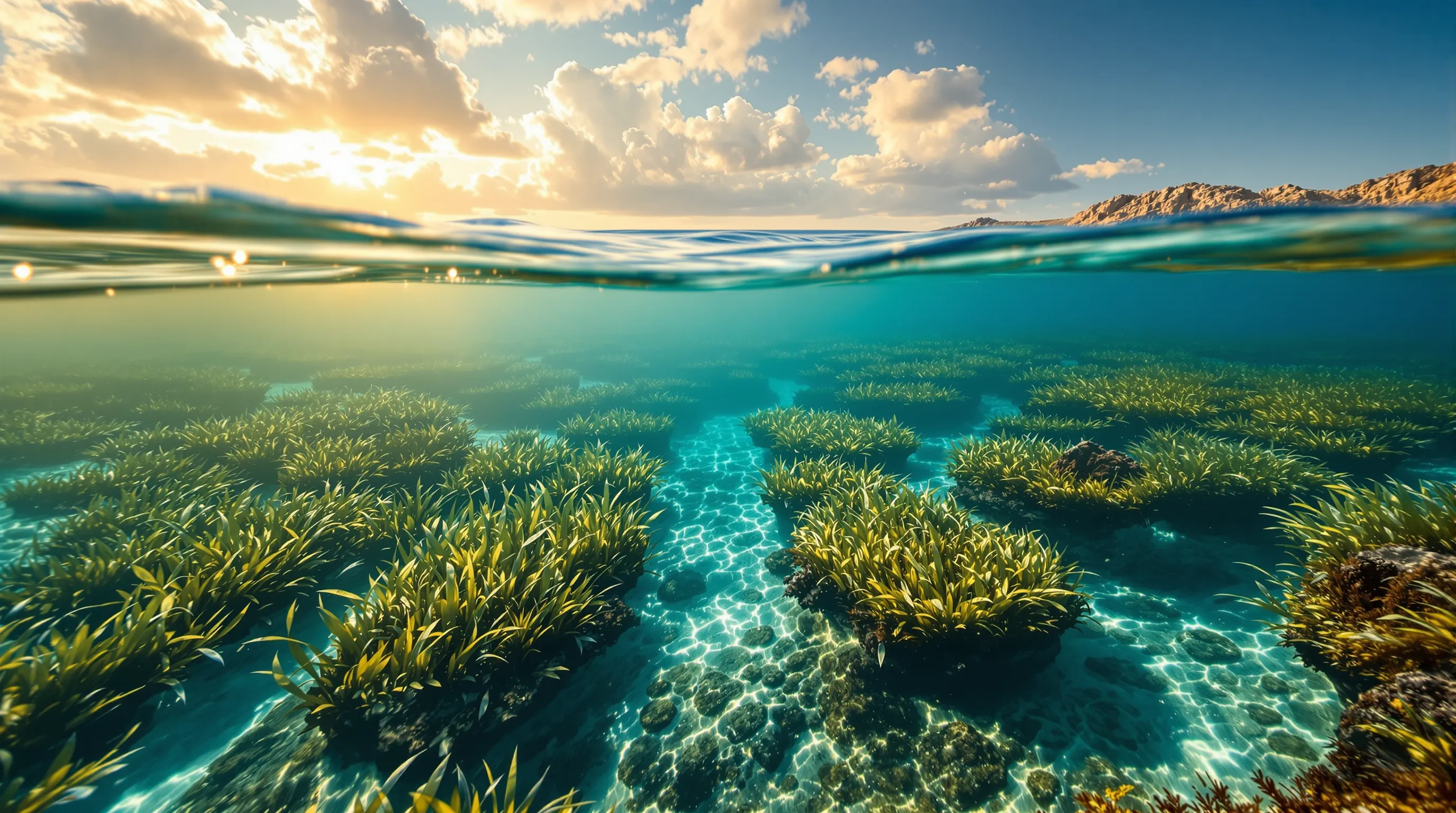
These Mediterranean creatures will transform your vision of the seafloor
The Mediterranean hosts over 17,000 marine species within just 1% of the world's oceans. This semi-enclosed sea harbours unique biological treasures, from striped dolphins to centenary groupers. Between Posidonia meadows, underwater caves, and rocky reefs, each ecosystem reveals exceptional biodiversity. Some species, like the noble pen shell, exist nowhere else on Earth. This richness stems from 6 million years of isolated evolution, creating irreplaceable natural heritage that every nature enthusiast should discover.
Iconic marine mammals
The striped dolphin reigns supreme with 150,000 individuals inhabiting the Mediterranean. These marine acrobats, recognisable by their distinctive lateral stripes, move in pods of 10 to 30 individuals. The bottlenose dolphin, more imposing at 3-4 metres, prefers coastal waters where it hunts sea bass and sea bream. Rarer still, Risso's dolphin displays characteristic white scarring. Pilot whales, measuring up to 6 metres, migrate to deep waters during summer. The sperm whale, a 15-metre giant weighing 40 tonnes, dives to 1,000 metres to capture giant squid. These cetaceans benefit from the Pelagos Sanctuary, a Franco-Italian-Monégasque protected area covering 87,500 km², ensuring their survival.
Optimal observation periods
May to October offers the finest observation conditions. Morning excursions (7am-10am) reveal maximum dolphin activity. Calm waters favour spotting spouts and dorsal fins. June to September concentrates 80% of successful sightings, with marine visibility reaching 40 metres. Waters between 200-2,000 metres depth prove most productive.
Exceptional Mediterranean fish
The dusky grouper, an emblematic fish reaching 1.5 metres and 60kg, symbolises Mediterranean fishing wealth. Protected since 1993, this giant is recovering its numbers within marine protected areas. The gilt-head bream, recognisable by its domed forehead and golden band, frequents seagrass beds and rocky bottoms down to 150 metres. The European sea bass, a formidable 1-metre predator, hunts in schools near rocky coasts. More spectacular, the Mediterranean manta ray, extremely rare, can measure 7 metres wingspan. Bluefin tuna, epic migrants crossing the entire basin, can weigh 400kg and live 40 years. These noble species require preserved ecosystems to maintain their fragile populations.
Unique underwater ecosystems
Posidonia meadows constitute the Mediterranean's most precious ecosystem. This endemic marine plant, capable of living 1,000 years, forms essential underwater prairies. Each square metre produces 20 litres of oxygen daily and shelters 400 plant species and 1,000 animal species. Coralligenous formations, multicoloured limestone structures, create artificial reefs between 20-120 metres depth. Red gorgonians, encrusting sponges, and bryozoans compose these underwater gardens. Mediterranean rocky drop-offs rival tropical reefs in biodiversity. These fragile habitats suffer anthropogenic pressures and climate warming, requiring urgent protection.
Premier diving locations
Port-Cros, Banyuls, and Cap de Creus concentrate maximum biodiversity. The Marseille Calanques offer spectacular drop-offs between 0-40 metres. Scandola in Corsica presents preserved coralligenous formations. The Embiez archipelago reveals intact seagrass beds. These sites benefit from protected status guaranteeing exceptional observations for experienced and novice divers alike.
Practical advice
Observing Mediterranean marine life requires preparation and respect. Sea excursions cost £30-70 depending on duration and service. Mask, snorkel, and fins suffice to discover the life-rich first few metres. Scuba diving reveals deeper waters: try-dive £50, Open Water training £300. The May-October period guarantees optimal conditions with water at 18-25°C. Bookings recommended 48 hours ahead, particularly July-August. PADI/SSI-approved centres ensure maximum safety. Sun protection essential, even underwater. Absolute respect for wildlife: observe without contact, no feeding. Photography permitted without disturbing flash.
Frequently asked questions
What's the best time to observe dolphins in the Mediterranean?
May to October offers the finest conditions, with peak activity from June to September. Morning excursions (7am-10am) maximise observation chances. Calm water and excellent visibility during this period facilitate cetacean spotting. 80% of successful sightings concentrate during these summer months.
Can you see sharks in the Mediterranean?
Yes, 47 shark species inhabit the Mediterranean, mostly harmless. The 8-metre basking shark, a plankton filter-feeder, visits coastal waters in summer. Rarer still, the great white shark frequents deep waters. Small catsharks and smooth-hounds remain most common near coasts.
How can you identify a dusky grouper whilst diving?
The dusky grouper is recognisable by its imposing size (up to 1.5m), mottled brown-red colouring, and massive mouth. It stations itself near rocks between 20-200m depth. Curious yet wary, it observes divers from its territory. Its rounded caudal fin and large eyes distinguish it from other fish.
The Mediterranean reveals unsuspected marine biodiversity, from playful dolphins to majestic groupers. Each dive unveils natural wonders shaped by millions of years of evolution. This fragile wealth requires protection and respect for future generations. Discover these living treasures and contribute to their conservation. Book your observation trip at mediterranean-dolphins.co.uk for an unforgettable experience.
Read also
Why This Secret Agenda Will Transform Your Nautical Summer on the French Riviera
Discover the exclusive nautical agenda of the French Riviera: prestigious regatt...
What Divers Keep Secret About Villefranche-sur-Mer's Crystal-Clear Waters
Discover the secrets of water sports in Villefranche-sur-Mer. Diving, kayaking, ...
7 Things You Didn't Know About Dolphin Protection in the Mediterranean
Discover the secret initiatives protecting dolphins and whales in the Mediterran...
What Locals Keep Secret About Porquerolles Island Will Astound You
Uncover the hidden secrets of Porquerolles Island that only locals know. Secret ...