Mediterranean Whale-Watching Calendar: Which Animal to Spot Each Season
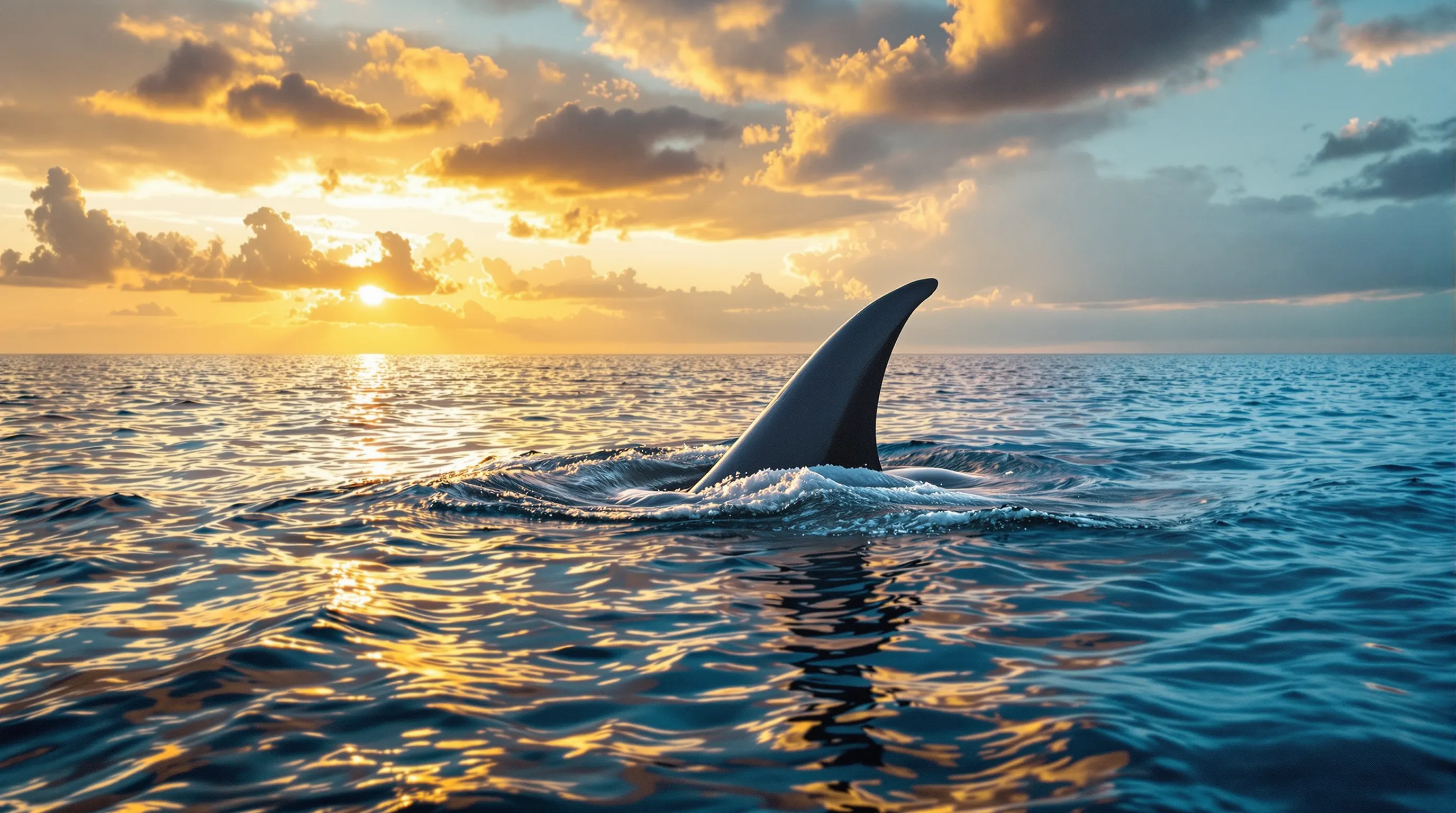
The first time I saw a fin whale blow off the coast of Fréjus, it was a June morning, the sea like glass, complete silence before that powerful exhalation broke through. I still tell this story to my trainees. Because in the Mediterranean, contrary to popular belief, cetaceans aren't spotted just anywhere or at any time. Each species has its own rhythm, feeding grounds and temperature preferences. The Pelagos Sanctuary, stretching between Provence, Corsica and Italian Liguria, is home to eight regularly sighted species. Knowing when to go multiplies your chances of an encounter without stressing the animal. Here's the calendar I use myself when organising my whale-watching trips.
Spring: The Fin Whales Arrive
From late April, fin whales move back up into the Pelagos Sanctuary, a protected area of 87,500 km² stretching from Hyères to Genoa via northern Corsica. The second largest animal on Earth after the blue whale, it can grow up to 20 metres long. It comes here to feed on krill and small pelagic fish, taking advantage of the warming surface waters that concentrate plankton. May and June are the pivotal months: the sea calms down after winter, visibility improves, and fin whales come closer to the coasts of Toulon, Saint-Tropez and Menton. Sperm whales, meanwhile, remain present year-round in the Var Canyon off Nice, but their deep dives lasting 45 minutes to an hour make sightings more hit-and-miss in spring than in summer. This is also when bottlenose dolphins start approaching coastal bays to hunt in the seagrass meadows, particularly around the Hyères Islands and Cap Camarat.
Why the Fin Whale Chooses This Particular Moment
The fin whale follows a strict feeding pattern. In winter, it often stays further offshore or further south, where waters remain productive. With spring, the thermal stratification of the Mediterranean encourages plankton blooms at the surface, concentrating both prey and predators. Scientists from GECEM and Souffleurs d'Écume track these arrivals through photo-identification of dorsal fins, allowing certain individuals to be recognised as they return year after year to the same areas—rather like regulars faithful to their favourite local pub.
Summer: Peak Season for All Cetaceans
July and August bring the greatest diversity of sightings, but also the heaviest tourist traffic. From the harbours of Sanary-sur-Mer, Cassis, Antibes or Nice, boat trips head out towards the continental slope, the transition zone between the coastal shelf and deep waters where nutrients rise back up. This is where fin whales, sperm whales, striped dolphins and occasionally pilot whales cross paths. The striped dolphin, the sanctuary's most common species, forms groups that can number several dozen individuals, particularly visible between Toulon and the Principality of Monaco. Sperm whales, for their part, frequent the underwater canyon off Nice and Villefranche-sur-Mer, where the depth quickly exceeds 1,000 metres—ideal territory for hunting squid in deep waters. Summer remains the period when the sea is calmest, making it easier to spot blows and fins from the boat, but it also demands greater vigilance regarding maritime traffic and respecting approach distances.
The Best Areas During Peak Season
The triangle formed by Toulon, the Strait of Bonifacio and Genoa has historically produced the richest summer sightings. Operators certified as High Quality Whale Watching run 3 to 4-hour trips from Sanary, Bandol or Antibes, drawing on presence data collected by scientific networks. Booking on a weekday rather than a weekend reduces the density of boats in the area, a factor that directly influences animal behaviour and the quality of the sighting.
Autumn and Winter: The Discreet Bottlenose Dolphins and Pilot Whales
After September, tourist numbers drop off sharply, but the cetaceans themselves remain very much present. Bottlenose dolphins, sedentary by nature, continue to frequent the bays of Saint-Tropez, Ajaccio and the waters around the La Maddalena archipelago on the Sardinian side year-round. Autumn often brings a choppier sea but more intimate encounters, away from the summer crowds. Pilot whales, a more discreet species living in tight-knit matriarchal groups, are regularly spotted off Corsica and in the Corsican Channel in October and November. Winter, from December to March, remains the least documented season due to a lack of commercial trips, as the sea becomes too rough for comfortable sailing. Yet fin whales don't entirely leave the Ligurian-Provençal basin: some individuals winter in the sanctuary, feeding on the last remaining krill concentrations before the great spring return. This is the season favoured by scientists aboard the REPCET and Pelagos surveys, who make the most of the relative calm to refine their winter presence data, essential to understanding the annual movements of these populations.
Planning Your Trip Around a Specific Species
The choice of departure port depends directly on the species you're hoping to see. To maximise your chances of encountering a fin whale, I recommend trips departing from Toulon, Sanary or Cannes between May and September, with a preference for June and July. For sperm whales, Nice and Villefranche-sur-Mer offer quick access to the deep canyon where they hunt year-round, although summer remains more favourable in terms of sea conditions. To spot bottlenose dolphins from the coast without even boarding a boat, the coves of Porquerolles or the calanques of Piana in Corsica sometimes allow sightings from the clifftops, binoculars in hand. No trip guarantees an encounter: the sea remains unpredictable, and that's precisely what makes it so special. Allow at least half a day, ideally a morning when the sea is calmer before the afternoon thermal wind picks up. A windproof jacket, your own binoculars and seasickness tablets if you're prone to motion sickness round off the basic kit. No particular level of fitness is required; these trips suit families and older visitors alike.
The Kit That's Actually Useful On Board
Contrary to popular belief, a camera with a very long lens isn't essential: most encounters are experienced with the naked eye or through binoculars, in keeping with regulatory approach distances that limit close-up shots anyway. Instead, pack a cap, sunscreen, a light jumper for when the wind picks up offshore, and above all, patience. The best sightings often come after an hour of quiet waiting, not from rushing things.
Practical Tips and Responsible Tourism
The cost of a trip varies depending on its length, the size of the boat and whether a naturalist is on board; trips run by scientific associations generally cost more than purely touristic excursions, but directly fund research. Book several weeks ahead in July and August, as places fill up fast with certified operators. Always favour outfits displaying the High Quality Whale Watching label or membership of the Pelagos charter: they commit to approach distances of at least 100 metres for large cetaceans, reduced speed near the animals, and a ban on encircling them or crossing their path. These rules, drawn from ACCOBAMS recommendations, protect animals already exposed to collisions with maritime traffic and underwater noise. Never throw anything overboard, keep your distance even if swimming is permitted near a group of dolphins, and avoid asking the skipper to get closer: a good guide will always refuse to force an encounter. Finally, favour trips in the low season or on weekdays, which have far less impact on wildlife than the crowds of mid-August.
Frequently asked questions
What's the best season to see whales in the Mediterranean?
Summer, from June to September, offers the greatest diversity of species and generally calm seas, ideal for spotting. May and June are also excellent months, with fewer tourists and the fresh arrival of fin whales in the Pelagos Sanctuary, between Provence, Corsica and Liguria.
Can you see cetaceans in the Mediterranean all year round?
Yes, particularly bottlenose dolphins and sperm whales, present year-round in certain areas such as the Nice Canyon or the Bay of Saint-Tropez. Fin whales, being more seasonal, are mainly seen from April to October, with a peak in summer.
What distance should you keep from a cetacean at sea?
ACCOBAMS recommendations and the High Quality Whale Watching label require a minimum distance of 100 metres for large cetaceans such as fin whales and sperm whales, with no encircling or chasing. These rules reduce stress and the risk of collision for the animals.
Where should I go by boat to see fin whales?
The harbours of Sanary-sur-Mer, Toulon, Cannes and Antibes give direct access to the continental slope of the Pelagos Sanctuary, a prime feeding ground for fin whales from May to September. Choosing a certified operator ensures a respectful and well-informed sighting.
Do you need to be a strong swimmer or fit to go on a whale-watching trip?
No, these trips take place aboard a boat and require no particular level of fitness; they're suitable for families, children and older visitors alike. Only a tendency towards seasickness needs to be anticipated with suitable medication before departure.
Understanding the Mediterranean cetacean calendar turns a simple boat trip into a genuinely respectful encounter with the Pelagos Sanctuary and its remarkable wildlife. Fin whales in spring and summer, sperm whales year-round in the deep canyons, dolphins and pilot whales in every season: each month reveals a different facet of this ecosystem, unique in Europe. To plan your trip, choose a certified operator and keep up with the latest Mediterranean sightings, find all our expert advice at dauphin-mediterranee.com.
Read also

Boat Trip Bag: What Marina Always Brings Aboard
What should you pack for a boat trip? The complete guide from a marine biologist...

The Aresquiers: 5 secrets of a wild coastline few tourists know about
Discover the Aresquiers, a wild gem of the Languedoc coast: lagoons, salt marshe...

Calanques between Marseille and Cassis: the secret few visitors know about
Discover the most beautiful calanques between Marseille and Cassis: Sormiou, Sug...

Spotting Dolphins Without a Boat: The Secret Coastal Spots Few People Know
Discover where to spot dolphins from the coast in the Mediterranean: rocky headl...