
What Marine Biologists Reveal About Mediterranean Fin Whales
The fin whale (Balaenoptera physalus) reigns over Mediterranean waters as the world's second-largest cetacean. Measuring up to 20 metres and weighing 70 tonnes, this marine giant particularly frequents the Pelagos Sanctuary, a Franco-Italian-Monégasque protected area spanning 87,500 km². Each summer, nearly 3,500 individuals pass through these waters rich in krill and small fish. Unlike their migratory Atlantic cousins, Mediterranean fin whales are considered permanent residents, offering nature enthusiasts exceptional watching opportunities from French, Italian, and Monégasque coastlines.
Portrait of the Mediterranean Giant: Characteristics and Behaviour
The fin whale is distinguished by its streamlined silhouette and characteristic dorsal fin positioned two-thirds along its body. Its unique asymmetrical colouring features a white lower jaw on the right side and dark on the left. These cetaceans reach sexual maturity around 6-10 years and live approximately 90 years. Their diet consists primarily of euphausiids (Mediterranean krill) and small pelagic fish such as anchovies. Capable of diving to depths of 470 metres for 20 minutes, they surface every 5 to 10 minutes to breathe. Their blow can reach 6 metres in height, creating an impressive spectacle visible from several kilometres away.
Filter Feeding Technique
The fin whale employs the lunge feeding technique, opening its mouth enormously to engulf vast quantities of water and prey. Its 262 to 473 baleen plates then filter the water, retaining up to 70 kg of food per day. This spectacular feeding method can be observed at the surface during summer months.
Prime Watching Areas in the Mediterranean
The Rech du Lazaret underwater canyon, off Nice and Antibes, constitutes a major hotspot with depths exceeding 2,500 metres just 10 km from shore. The area between the Îles d'Hyères and Corsica also offers excellent watching conditions, particularly near underwater seamounts. The Ligurian continental slope, between Genoa and Monaco, concentrates 60% of summer sightings thanks to nutrient-rich upwellings. The best months extend from June to September, with peak activity in July-August. Morning excursions between 8am and 11am show 85% success rates, benefiting from calmer weather conditions and intense cetacean feeding activity.
Climate Change Impact on Populations
Scientists from the ACCOBAMS project currently record 2,500 to 3,200 resident fin whales in the north-western Mediterranean. Warming waters (+0.7°C over 20 years) are altering krill distribution, forcing these giants to adapt their feeding areas. Recent studies show a 50km northward shift of their primary hunting territories. Plastic pollution poses a growing threat: 67% of studied individuals show traces of microplastics in their tissues. Ship strikes cause 15% of documented mortality, particularly in heavy shipping lanes between France and Corsica. Protection measures include seasonal speed restrictions and acoustic detection systems.
Current Conservation Programmes
The LIFE+ Pilot Whales initiative coordinates satellite and GPS tag monitoring of 45 individuals since 2019. The European INTERREG MARITTIMO project funds genetic studies to better understand population structure and vulnerability to contemporary human threats.
Practical Tips for Responsible Whale Watching
Whale watching excursions cost between £40 and £65 per adult depending on the operator and duration (3 to 8 hours). Book between April and May for summer trips, particularly from Nice, Cannes, Sanary-sur-Mer, and Monaco. Choose certified High Quality Whale Watching operators respecting approach guidelines (minimum 100-metre distance). Bring 8x42 binoculars, sun cream, seasickness tablets, and warm clothing as temperatures drop 5°C at sea. Best weather conditions correspond to winds below 15 knots and swells under 1 metre. Allow at least 4 hours at sea to maximise sighting chances in distant feeding areas.
Frequently asked questions
What is the maximum size of a Mediterranean fin whale?
Mediterranean fin whales reach 18 to 20 metres maximum length, slightly smaller than their Atlantic relatives (22 metres). Females are generally 1 to 2 metres larger than males. This difference stems from more limited food resources in the Mediterranean.
Where can you spot fin whales from the French coast?
The best land-based viewing spots are Cap d'Antibes, Pointe de l'Estérel, and Cap Sicié near Toulon. Use powerful binoculars (minimum 10x50) and watch for characteristic blows between June and September, particularly early morning in calm seas.
How do you distinguish a fin whale from other Mediterranean cetaceans?
Fin whales are recognisable by their imposing size, triangular dorsal fin located two-thirds back on the body, vertical 4-6 metre blow, and asymmetrical jaw colouring. Unlike sperm whales, they never dive showing their tail flukes.
The Mediterranean fin whale represents an exceptional natural treasure, testament to the ecological richness of our coasts. Observing them requires patience and respect for marine protocols, but offers unforgettable experiences. To plan your encounter with these marine giants and discover other Mediterranean cetaceans, explore comprehensive resources at dauphin-mediterranee.com and experience an authentic marine adventure.
Read also
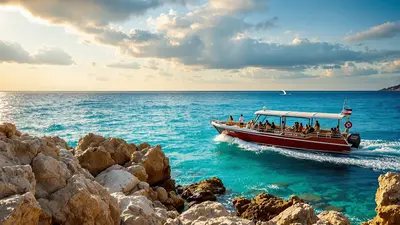
Why May Transforms Your Mediterranean Whale Watching Experience
Discover the best season for Mediterranean cetacean watching. May to September o...

The Fascinating Creatures You Encounter in the Mediterranean Without Knowing It
Discover Mediterranean starfish and sea urchins during your dives. Complete spec...
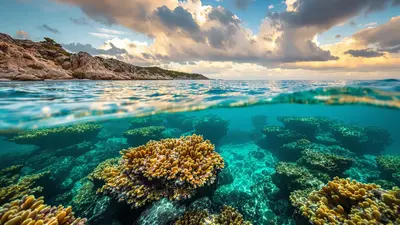
What Divers Discover About the Mediterranean's Secret Corals
Discover the hidden coral formations of the Mediterranean that only expert diver...
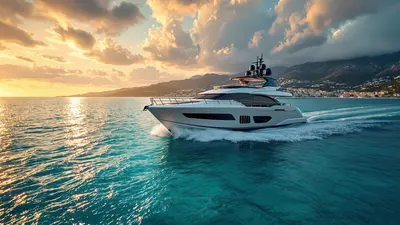
Why Captains Hide These 5 French Riviera Cruise Secrets
Discover the closely guarded secrets of the finest French Riviera cruises: exclu...