
7 Mediterranean Starfish Secrets That Marine Biologists Jealously Guard
The Mediterranean hosts over 15 species of starfish and 8 species of sea urchins, fascinating creatures with extraordinary capabilities. The red starfish (Echinaster sepositus) can regenerate an entire arm in just 6 months, whilst the purple sea urchin (Paracentrotus lividus) lives up to 50 years. These echinoderms, present for 450 million years, transform Mediterranean seabeds into veritable underwater gardens. Discover their little-known secrets that will marvel your next coastal explorations from the French Riviera to the Costa del Sol and the Greek Islands.
Hidden Superpowers of Mediterranean Starfish
Mediterranean starfish possess capabilities worthy of science fiction. The Asterina gibbosa, common along our shores, can turn its stomach inside out to digest prey three times larger than itself. This 4cm-diameter species actively hunts mussels and oysters by secreting digestive enzymes directly onto its prey. Even more surprising, it changes sex according to seasons: male in winter, female in spring. The cushion star (Asterina pancerii) detects pressure variations to within 0.1%, allowing it to anticipate storms 48 hours before they arrive. These discreet predators naturally regulate mollusc populations, maintaining the balance of Posidonia seagrass meadows.
Echinaster sepositus's Record-Breaking Regeneration
The Mediterranean red starfish holds the regeneration record: it reconstitutes 90% of a severed arm in just 4 months. This exceptional ability allows it to survive attacks from crabs and fish. A single fragment containing part of the central disc can regenerate an entire starfish.
Mediterranean Sea Urchins: Living Architecture and Natural Engineering
The Mediterranean purple sea urchin (Paracentrotus lividus) carves perfectly circular cavities into limestone rock using its calcium carbonate spines, harder than steel. These 8-12cm diameter 'nests' require 2-3 years of constant work. The long-spined sea urchin (Centrostephanus longispinus) with its 10cm spines survives in rocky crevices down to 200m depth. Its dome-shaped shell withstands pressure of 300kg per square centimetre. The Mediterranean edible sea urchin can filter 5 litres of water per hour through its tube feet, contributing to the exceptional clarity of coastal waters. Their waste enriches sandy bottoms with nutrients essential for algae.
Fragile Ecosystem: Crucial Role in Marine Biodiversity
Mediterranean starfish and sea urchins form the foundation of a complex food web nourishing over 40 fish species. The ornate wrasse feeds exclusively on small sea urchins, naturally regulating their population. Starfish control the proliferation of invasive mussels, preserving the diversity of fixed communities. This ancient balance is threatened by warming: a +2°C rise causes 60% mortality in juvenile starfish. Overfishing of natural predators (sea bream, gilt-head bream) leads to sea urchin population explosions, creating underwater 'deserts' devoid of algae. Protected areas like Port-Cros demonstrate spectacular recovery within 5-7 years.
Environmental Quality Indicators
Starfish density directly indicates the health of coastal ecosystems. Healthy water hosts 3-5 starfish per square metre, whilst pollution reduces this density by 80%. Scientists use these species as natural 'thermometers' to monitor climate change in the Mediterranean.
Practical Tips for Observing Starfish and Sea Urchins
The best observation period runs from April to October, with optimal visibility between 9-11am and 4-6pm. Equip yourself with mask and snorkel (£12-20), favouring calm waters of Mediterranean coves, bays along the Costa Brava, or the crystal-clear waters around Cyprus and Crete. Rocky areas between 1-5m depth concentrate 70% of sightings. Maintain a minimum distance of 50cm: tactile stress causes starfish to flee to deeper waters. Diving centres offer 'marine life discovery' trips from £25 per person. Check tidal coefficients: low tide (+/-20cm) facilitates surface observation. Recommended apps: iNaturalist for species identification, Windy for marine weather conditions.
Frequently asked questions
Can you touch starfish and sea urchins in the Mediterranean?
It's strongly advised against touching these animals. Human contact causes intense stress that can lead to their death within 24-48 hours. Sea urchins can inflict painful stings, and some starfish secrete irritating toxins. Observe from a respectful distance of at least 50cm.
Where can you find the most starfish in the Mediterranean?
The protected marine areas around the Balearic Islands, Greek island waters, and the French marine reserves of Port-Cros and Scandola concentrate the highest densities. Rocky bottoms between 2-8m depth offer the best observations, particularly in areas with moderate currents rich in plankton.
Are Mediterranean sea urchins dangerous for swimmers?
Purple sea urchin stings cause pain and inflammation but are rarely serious. Wear water shoes in rocky areas. If stung, carefully remove visible spines and disinfect. Consult a doctor if swelling or redness persists beyond 48 hours.
Mediterranean starfish and sea urchins reveal the unsuspected richness of our seabeds. These natural engineers have been shaping the underwater landscapes we admire for millennia. To safely explore these living wonders and discover more secrets of Mediterranean marine life, visit our comprehensive guides and marine wildlife resources for the ultimate Mediterranean coastal experience.
Read also
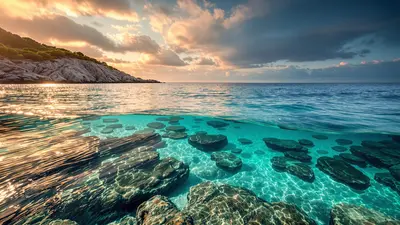
What Posidonia Seagrass Meadows Hide Beneath Mediterranean Waters
Discover why Posidonia seagrass meadows are vital to the Mediterranean: oxygen p...
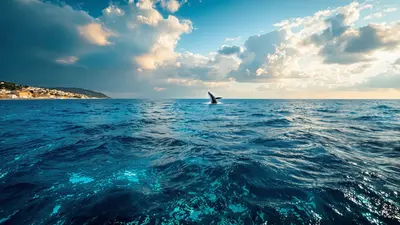
What Marine Biologists Reveal About Mediterranean Fin Whales
Discover the fin whale, 20-metre giant inhabiting the Mediterranean. Migration p...
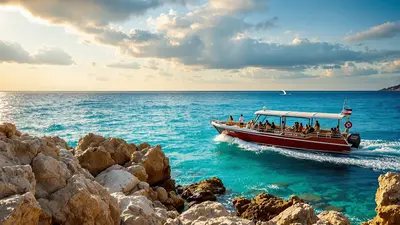
Why May Transforms Your Mediterranean Whale Watching Experience
Discover the best season for Mediterranean cetacean watching. May to September o...
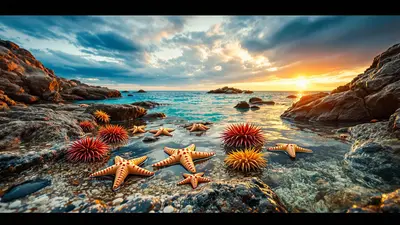
The Fascinating Creatures You Encounter in the Mediterranean Without Knowing It
Discover Mediterranean starfish and sea urchins during your dives. Complete spec...