7 Mediterranean Starfish Secrets That Divers Keep to Themselves
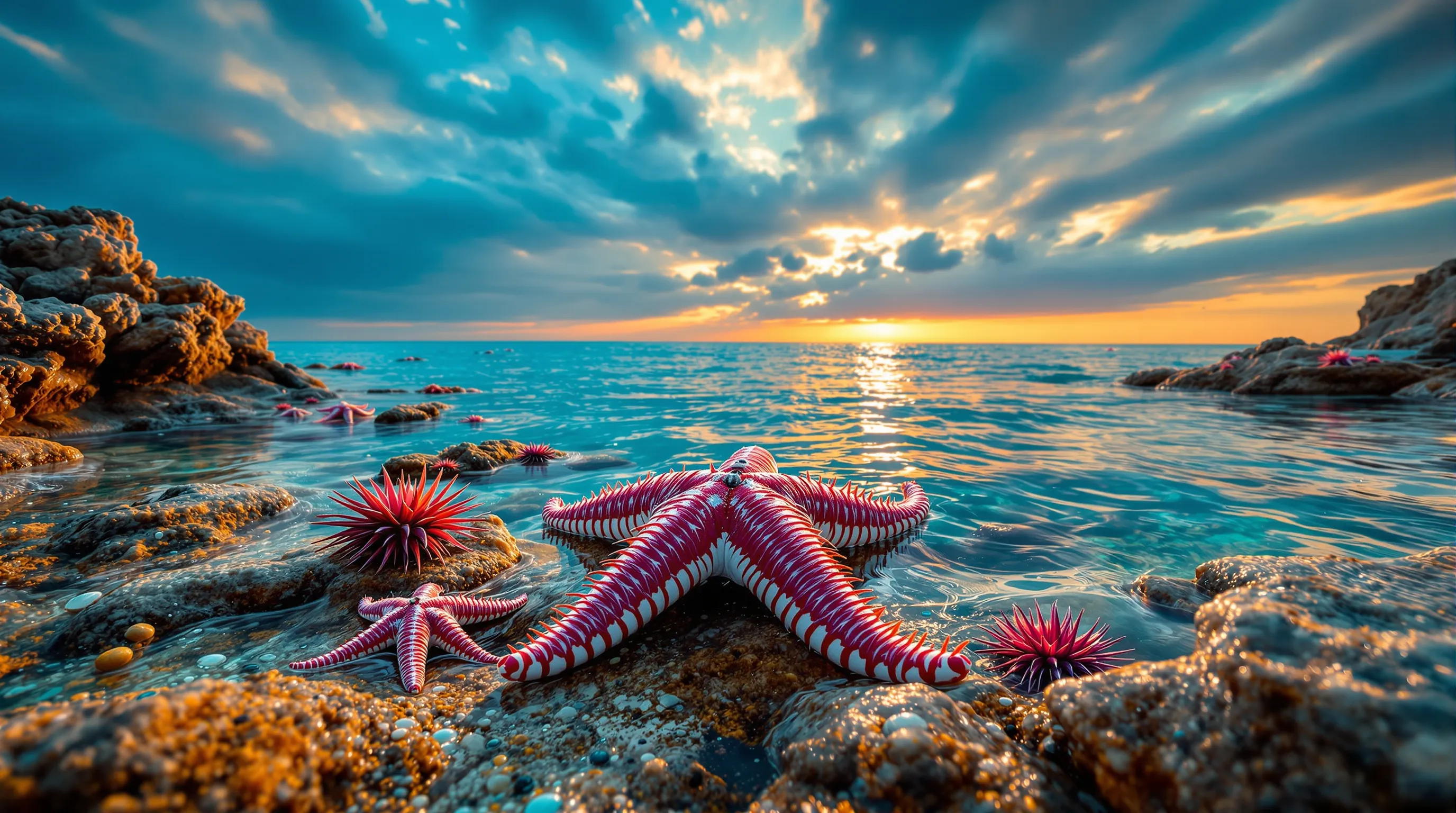
The Mediterranean seabed harbours over 15 species of starfish and 8 varieties of sea urchins, creating a unique ecosystem found nowhere else on Earth. These echinoderms, true reef engineers, play a crucial role in marine balance. The red starfish Echinaster sepositus can live up to 34 years, whilst the black sea urchin Arbacia lixula withstands temperatures ranging from 12°C to 28°C. Each summer, more than 2 million divers discover these wonders in the crystal-clear Mediterranean waters, often without knowing their best-kept secrets.
Iconic Species You Absolutely Must Observe
The Mediterranean hosts exceptional starfish species. The Astropecten aranciacus, recognisable by its vivid orange colour, measures up to 20cm and lives buried in sand at depths of 3-50 metres. The spiny starfish Marthasterias glacialis, which can reach an 80cm wingspan, captivates with its ability to completely regenerate in 8 months. Among sea urchins, the purple Paracentrotus lividus dominates Posidonia meadows, consuming up to 40% of their annual biomass. These species concentrate particularly around the Balearic Islands, the French Riviera, and Italian coasts, where Mediterranean marine biodiversity reaches its peak.
Optimal Observation Periods
The finest observations occur from April to October, when water temperature exceeds 18°C. Starfish emerge more frequently from their hideaways during tides with coefficients above 70. Morning dives between 7am and 10am offer exceptional visibility, with maximum echinoderm activity before the heat of the day.
Surprising Behaviours and Unique Adaptations
Mediterranean starfish develop fascinating survival strategies. They can expel their stomach externally to digest prey 5 times larger than themselves. Astina gibbosa changes colour according to its environment within 48 hours maximum. Sea urchins use their spines like stilts to move at 15cm per minute. When threatened, the purple sea urchin can project its venomous pedicellariae 20cm away. These defensive and adaptive behaviours enable them to colonise varied habitats, from rocky drop-offs to underwater meadows, maintaining stable populations for millennia in this unique Mediterranean ecosystem.
Ecological Role and Impact on Marine Ecosystems
These echinoderms constitute essential links in the Mediterranean food chain. Starfish regulate mollusc populations, consuming up to 6 bivalves daily. Sea urchins maintain meadow balance by grazing excess algae, promoting oceanic Posidonia growth. This marine plant produces 20 litres of oxygen per square metre daily. A single sea urchin filters up to 5 litres of water hourly, contributing to the crystal clarity of Mediterranean waters. Their disappearance would trigger catastrophic algal proliferation, radically transforming these coastal ecosystems beloved by tourists and divers worldwide.
Environmental Quality Indicators
The presence of starfish and sea urchins indicates exceptionally high water quality. Their sensitivity to pollutants makes them reliable bio-indicators. A density of 8-12 sea urchins per square metre signals a healthy ecosystem, whilst sudden decline alerts to environmental degradation requiring urgent intervention.
Practical Tips for Responsible Observation
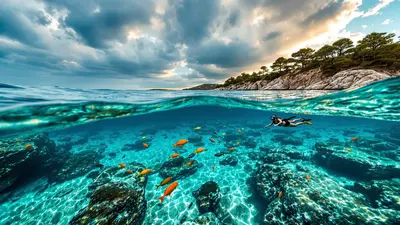
Optimal observation requires suitable equipment: mask, snorkel, and neoprene booties (£12-20). The finest spots lie 2-8 metres deep within marine protected areas. Port-Cros National Park offers exceptional density with 15 different species. Maintain a minimum 50cm distance and avoid all direct contact. Camera flashes disturb their photosensitivity. The ideal season runs from May to September, with 15-30 metre visibility. Average budget: £35-50 for guided excursions, £100-170 for complete diving courses. Book 2 weeks ahead during peak season to guarantee your spot.
Frequently asked questions
Can you touch starfish and sea urchins in the Mediterranean?
No, touching these protected marine animals is strictly forbidden. Human contact damages their protective mucus and can transmit fatal bacteria. Moreover, sea urchin spines can cause painful infected wounds requiring medical attention. Always observe from a respectful distance.
When's the best time to see starfish whilst diving in the Mediterranean?
The optimal period runs from April to October when water exceeds 18°C. Starfish are most active in early morning and late afternoon. Spring tides (coefficient >70) encourage them to emerge from rocky hideaways to feed.
Are Mediterranean sea urchins dangerous for swimmers?
Sea urchins aren't aggressive but their sharp spines can pierce thin shoes. Always wear diving booties in rocky areas. If stung, gently remove visible spines and disinfect. Consult a doctor if fragments remain embedded or infection develops.
Mediterranean starfish and sea urchins reveal fascinating secrets to attentive observers. These guardians of the seabed contribute to our coastlines' exceptional beauty. To discover more Mediterranean marine wildlife wonders and plan your next underwater explorations, visit dauphin-mediterranee.com and dive into a preserved aquatic universe.
Read also
What chefs are hiding about the culinary treasures of the Mediterranean coast
Discover the secrets chefs use to elevate Mediterranean coastal cuisine. Techniq...
7 Fascinating Things You Never Knew About Mediterranean Octopuses
Discover the secrets of Mediterranean octopuses: surprising behaviours, remarkab...
What Mediterranean fishermen are doing to save their fish
Discover sustainable fishing techniques practised in the Mediterranean by profes...
What Divers Are Hiding About the 10 Best Mediterranean Snorkelling Spots
Discover the 10 finest Mediterranean snorkelling spots revealed by experts. Comp...