
What seasoned hikers confirm about the Mediterranean coastal trail
The Mediterranean coastal trail stretches over 2,400 kilometres along the French coastline, linking the Spanish border to the Italian frontier. This public maritime pathway, protected since 1976, offers privileged access to Europe's most spectacular coastal landscapes. From the Marseille calanques to the wild coves of the French Riviera, this network of trails reveals exceptional biodiversity with 600 endemic plant species and 40 seabird species. Each year, over 3 million hikers traverse these ancient paths, witnesses to 8,000 years of Mediterranean history.
Essential sections of the coastal trail
The Customs Officers' Trail in southern Corsica represents one of the most pristine segments, with its 15 kilometres of pure wild beauty between Propriano and Sartène. The calanques section between Marseille and La Ciotat offers 20 kilometres of hiking with an 800-metre elevation gain, revealing coves with turquoise waters averaging 22°C in summer. The Var segment from Hyères to Les Lecques presents 45 kilometres of unique landscape diversity, alternating between century-old pine forests and 200-metre-high limestone cliffs. These historic routes, used since Roman times, preserve archaeological remains dating from the 2nd century BC.
Difficulty levels and walking times
Sections vary from easy to challenging depending on elevation changes. Allow 3 hours for 8 kilometres on easy terrain, up to 7 hours for 12 kilometres on steep portions. The trails feature standardised yellow waymarking every 50 metres, ensuring safe navigation even for novice hikers with reasonable fitness levels.
Exceptional coastal flora and fauna
Mediterranean vegetation reveals its treasures with 45 species of wild orchids visible from April to June, including the Provence Ophrys endemic to the region. Rocky formations shelter 15 reptile species, including the ocellated lizard which can reach 60 centimetres in length. Birdlife comprises 120 recorded species, with yellow-legged gull colonies of 2,000 pairs on rocky islets. Coastal waters host 8 cetacean species, observable from headlands between May and September. This biological richness benefits from protection by 12 national nature reserves and 3 marine national parks, covering 180,000 hectares of protected areas along the coastline.
Historical and cultural heritage of the trails
Coastal trails reveal 2,000 years of human occupation through 150 referenced archaeological sites. Genoese towers from the 16th century punctuate the landscape every 5 kilometres, witnesses to the Mediterranean defence system against Barbarian invasions. Former fishing villages, such as Giens or Port-Cros, preserve their traditional architecture with Roman-tiled houses and dry-stone huts. Local museums catalogue over 50 ancient shipwrecks discovered in adjacent waters, some dating from Phoenician times. This heritage wealth justifies the UNESCO classification of several coastal sections since 1983.
Accessible archaeological sites
The Courtine oppidum at Ollioules offers panoramic views over 15 kilometres of coastline from its 2nd-century BC remains. The Roman baths at Hyères, accessible via the trail, demonstrate ancient refinement with mosaics preserved over 200 square metres. These sites benefit from multilingual explanatory panels installed in 2019.
Practical advice
The optimal period extends from October to May, avoiding summer temperatures exceeding 35°C and fire risks. Budget approximately £20 per day including parking (£6), light refreshments (£10), and basic equipment (£4). Essential kit comprises hiking boots with studded soles, SPF50+ sun protection, and a minimum 1.5-litre water reserve per person. Recommended GPS apps include Visorando and IGNrando, offering 200 geolocated routes updated monthly. Book accommodation 2 months ahead during peak season, as mountain huts fill up from February for the summer period. Maritime shuttles operate from March to October with hourly services to accessible islands.
Frequently asked questions
What's the best time for hiking the Mediterranean coastal trail?
October to May represents the ideal period, with temperatures between 15-22°C, perfect light conditions, and reduced crowds. Avoid July-August when fire-risk restrictions limit access to 70% of trails. Spring flowering from April-May offers exceptional botanical displays with over 300 species blooming simultaneously.
Is the coastal trail suitable for families with children?
Yes, 60% of sections present easy difficulty suitable for children from age 8. The stretches between Saint-Tropez and Sainte-Maxime offer 12 kilometres of flat walking with picnic areas every 2 kilometres. Favour mornings to avoid heat and plan swimming breaks in safe coves marked by blue signs.
How do I reach Mediterranean coastal hiking starting points?
SNCF railway stations at Marseille, Toulon, Cannes, and Nice serve the main trail access points. Regional Zou! bus lines connect 85% of starting points with dedicated 'Coastal Trail' stops. By car, allow 45 minutes from the A8 or A50 motorways. Pay car parks cost £6/day on average, free off-season in 40% of communes.
The Mediterranean coastal trail offers a unique experience combining sport, nature, and culture across millennia of history. These 2,400 kilometres of protected coastline reveal the exceptional richness of French Mediterranean heritage. To deepen your discovery of local marine wildlife, consult specialist resources at dauphin-mediterranee.com and plan your next coastal adventure with complete confidence.
Read also

What Professional Photographers Do Underwater in the Mediterranean Will Amaze You
Discover professional photographers' secrets for capturing Mediterranean underwa...
5 Secrets Marine Biologists Know for Dolphin Watching
Discover expert techniques for dolphin watching in the Mediterranean: prime loca...
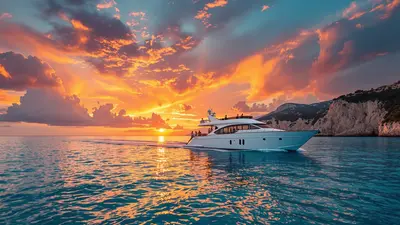
Why Sunset Cruises Transform Your Stay on the French Riviera
Discover how sunset cruises on the French Riviera create magical moments. Côte d...
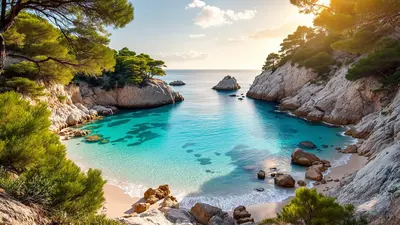
These 7 Secret French Riviera Beaches That Even Locals Guard Jealously
Discover 7 secret French Riviera beaches inaccessible to tourists. Hidden coves,...