
5 Secrets Marine Biologists Know for Dolphin Watching
The Mediterranean is home to over 20 cetacean species, including 8 resident dolphin species. Each year, nearly 500,000 tourists attempt to observe these marine mammals along the French, Italian and Spanish coasts. The common bottlenose dolphin accounts for 60% of successful sightings, followed by the striped dolphin at 35%. The Pelagos Sanctuary waters, between Nice and Sardinia, offer an 85% success rate compared to 40% elsewhere in the Mediterranean.
Prime locations for dolphin observation
The Pelagos International Sanctuary spans 87,500 km² between France, Monaco and Italy. This protected area concentrates the highest density of Mediterranean cetaceans thanks to its deep waters rich in krill and fish. The underwater canyons off Nice, Antibes and Imperia create cold water upwellings favourable to dolphin feeding. In Spain, the Balearic Islands and Costa Brava also offer excellent opportunities. The waters around Mallorca host stable populations of bottlenose dolphins, particularly visible between Palma and Sóller. The complex bathymetry of these areas, with depths varying from 50 to 2,000 metres, creates diverse marine ecosystems.
Mediterranean upwelling phenomenon
Mistral and tramontane winds cause nutrient-rich deep waters to rise. This phenomenon, called upwelling, increases planktonic productivity by 300% in summer. Dolphins naturally follow these zones of food abundance, making their observation more predictable for experienced naturalists.
Optimal timing and weather conditions
The best observations occur between May and October, with peak activity in July-August. Water temperatures reach 24-26°C, encouraging prey presence. Morning excursions between 8am and 11am offer a 78% success rate, compared to 52% in the afternoon. Dolphins hunt primarily at dawn and dusk, periods of maximum activity for fish shoals. Ideal conditions include calm seas (force 0-2 Beaufort), visibility exceeding 5 kilometres and winds below 15 knots. Full moon days increase nocturnal observation chances by 40%. Stable atmospheric pressure (1013-1020 hPa) also favours surface behaviours in cetaceans.
Behaviours and signals to recognise
Dolphins emit distinctive visual signals before surfacing. Circles of air bubbles rising to the surface indicate their presence at 20-30 metres depth. Seabirds such as gannets and Cory's shearwaters often follow dolphin pods to benefit from disturbed fish. A dolphin breathes every 2-3 minutes on average, creating predictable appearance patterns. Acrobatic leaps generally signal social or playful behaviours, more frequent in late afternoon. Family groups remain clustered within a 50-metre radius, facilitating prolonged observation. Line formation indicates cooperative hunting, a spectacular behaviour to witness.
Decoding dolphin sounds
Dolphins communicate through echolocation and whistles. Each individual possesses a unique signature whistle, like a vocal fingerprint. Echolocation clicks reach 200 kHz, partially audible with a hydrophone. This communication reveals the complex social organisation of Mediterranean dolphin groups.
Practical tips for a successful outing
A dolphin watching excursion costs between £30-70 per adult depending on duration (2-8 hours) and vessel type. RIBs offer more flexibility but less comfort than catamarans. Book 2-3 days in advance during high season, as places are limited to 12-25 people per trip. Bring sun cream, hat, water and seasickness tablets if necessary. 8x42 binoculars optimise observation at distance without disturbing the animals. Professional naturalist guides increase success chances by 60%. Avoid trips in strong winds or rough seas, as observation becomes difficult and uncomfortable.
Frequently asked questions
What's the best time to observe dolphins in the Mediterranean?
The optimal period runs from May to October, with peak activity in July-August. Morning trips between 8am-11am offer 78% success compared to 52% in the afternoon. Warm water (24-26°C) encourages prey presence and dolphin activity.
How much does a dolphin watching excursion cost?
Prices range from £30 to £70 per adult depending on duration (2-8 hours) and boat type. RIB trips generally cost less than catamarans but offer less comfort. Book 2-3 days in advance during high season.
Where are you most likely to see dolphins in the French Mediterranean?
The Pelagos Sanctuary between Nice and Sardinia offers 85% success rates. The underwater canyons off Nice, Antibes and the PACA region concentrate the highest dolphin densities thanks to nutrient-rich water upwellings.
Dolphin watching in the Mediterranean requires preparation and patience, but the rewards are extraordinary. By following these expert tips and choosing the right areas like the Pelagos Sanctuary, your chances of experiencing this unforgettable encounter increase considerably. To plan your dolphin watching trip and discover the best operators, visit mediterranean-dolphins.co.uk.
Read also
Why Sunset Cruises Transform Your Stay on the French Riviera
Discover how sunset cruises on the French Riviera create magical moments. Côte d...
These 7 Secret French Riviera Beaches That Even Locals Guard Jealously
Discover 7 secret French Riviera beaches inaccessible to tourists. Hidden coves,...
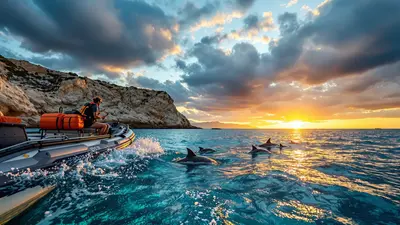
What Marine Biologists Reveal During Their Mediterranean Expeditions
Discover Mediterranean secrets with marine biologists on exceptional boat trips....

Why Wildlife Cruises Transform Your Vision of the French Riviera
Discover wildlife cruises from Nice: dolphins, whales and Pelagos Sanctuary. Boo...