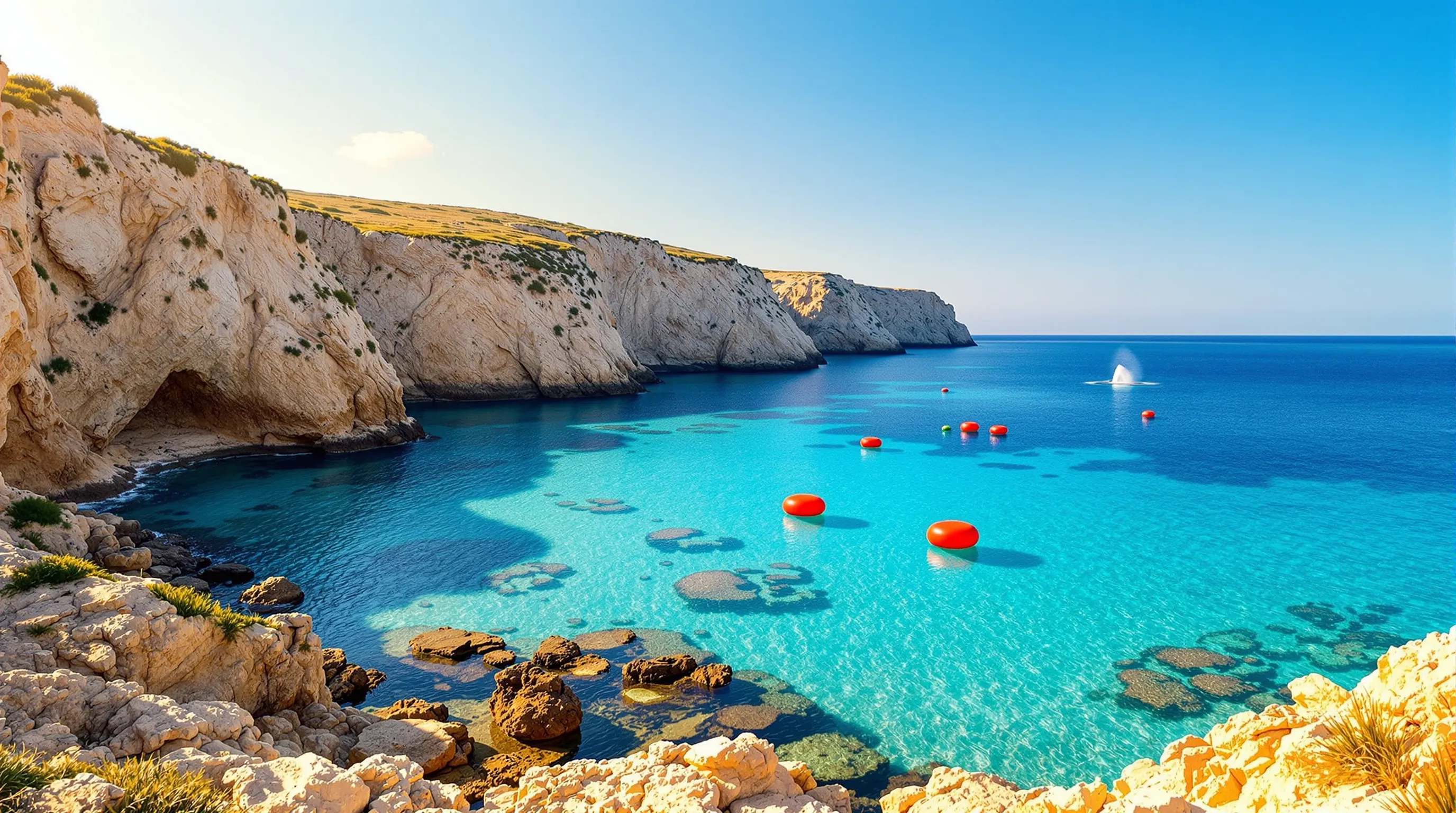
How Marine Sanctuaries Are Saving 12,000 Dolphins in the Mediterranean
The Mediterranean is home to more than 12 species of cetaceans, from common dolphins to majestic humpback whales. Yet these ocean giants face growing threats: plastic pollution, ship strikes, and acoustic disturbance. Fortunately, remarkable initiatives are emerging to protect these exceptional marine mammals. The Pelagos Sanctuary, the world's first international marine protected area, covers 87,500 km² between France, Italy, and Monaco, providing a vital refuge for these iconic species.
The Pelagos Sanctuary, protective shield for cetaceans
Established in 1999, the Pelagos Sanctuary forms the largest marine mammal protection zone in the Mediterranean. This trinational marine protected area stretches from the French Côte d'Azur to the Italian coastline, encompassing Monégasque waters. The plankton-rich waters of this zone naturally attract cetaceans who come here to feed. More than 8,500 pilot whales, 2,000 sperm whales, and several thousand dolphins regularly frequent these protected waters. Conservation measures include vessel speed restrictions, prohibition of certain fishing activities, and acoustic monitoring to reduce noise pollution.
Strict regulations for maritime activities
Recreational boaters must maintain minimum distances of 100 metres from cetaceans. Jet skis are banned in certain sensitive zones during breeding periods. Licensed tour operators offer respectful whale-watching excursions, thus contributing to the local economy whilst raising public awareness.
Current threats and innovative solutions
Mediterranean cetaceans face multiple pressures. Each year, approximately 150 animals perish from collisions with commercial vessels. Engine noise pollution disrupts their acoustic navigation system over a 20-kilometre radius. Plastic waste also causes considerable damage: 30% of analysed carcasses contain plastic residues. Facing these challenges, revolutionary technologies are emerging. Acoustic sensors can detect the presence of cetaceans and automatically alert ships. Marine drones collect data on their movements, optimising protection measures.
Local initiatives and citizen participation
Local associations play a crucial role in cetacean protection. The Miraceti network records every sighting, creating a valuable database for scientists. More than 500 volunteers participate in beach clean-up operations, removing 12 tonnes of waste from coastlines annually. Care centres such as Marineland's facility treat injured animals, with a 75% release rate. Coastal schools integrate educational programmes raising awareness among 15,000 children per year about marine conservation issues. These collective actions demonstrate that citizen mobilisation can genuinely protect marine biodiversity.
Mobile apps for reporting sightings
The ObsMer app allows boaters to report their cetacean encounters. This data feeds scientific research and helps identify frequented areas. More than 3,000 observations are recorded each summer season, contributing significantly to population knowledge.
Practical tips for responsible tourism
Participating in cetacean watching requires choosing certified operators respecting the High Quality Whale Watching charter. Excursions cost between £30 and £50 per adult depending on duration. The best period runs from April to October, with peak activity in July-August. Book at least 48 hours in advance during high season. Wear warm clothing even in summer, as temperatures drop offshore. Bring ocean-friendly sun cream without nanoparticles. Departures typically operate from Nice, Cannes, Monaco, and Italian ports of Sanremo or Imperia. Allow 3 to 4 hours for excursions to maximise your observation chances.
Frequently asked questions
Which cetacean species can be observed in the Mediterranean?
You can observe striped dolphins, bottlenose dolphins, pilot whales, sperm whales, Cuvier's beaked whales, and occasionally fin whales. Dolphins are present year-round, whilst large whales mainly frequent offshore waters between May and September.
How do I choose a cetacean-friendly watching excursion?
Choose operators with High Quality Whale Watching certification who respect regulatory distances, reduced speeds, and limited observation times. Avoid excursions offering direct interactions or overly close approaches. Certified guides will provide scientific explanations and environmental awareness.
What should I do if I find a stranded cetacean on the beach?
Never touch the animal and maintain safe distances. Immediately contact the national stranding network on 05 46 44 99 10 or the emergency services. Photograph without flash, note the time and precise location. Protect the animal from sun with damp cloths if possible.
Protecting Mediterranean cetaceans represents a major challenge for preserving our exceptional natural heritage. Through marine sanctuaries, citizen initiatives, and responsible tourism, we can all contribute to safeguarding these ocean giants. Discover these marvels during a respectful watching excursion on dauphin-mediterranee.com and actively participate in their protection.
Read also
7 Fascinating Secrets of Risso's Dolphins Revealed by Marine Biologists
Discover 7 secrets of Risso's dolphins in the Mediterranean revealed by marine b...
Why These 7 Mediterranean Ports Will Transform Your Coastal Travel Experience
Discover the most authentic picturesque harbours along the Mediterranean coastli...
7 fascinating facts about sperm whales you'll discover in the Mediterranean
Discover the secrets of Mediterranean sperm whales: migrations, unique behaviour...
These Mediterranean Marine Creatures Hide Extraordinary Secrets
Discover fascinating Mediterranean starfish and sea urchins: species, habitats, ...