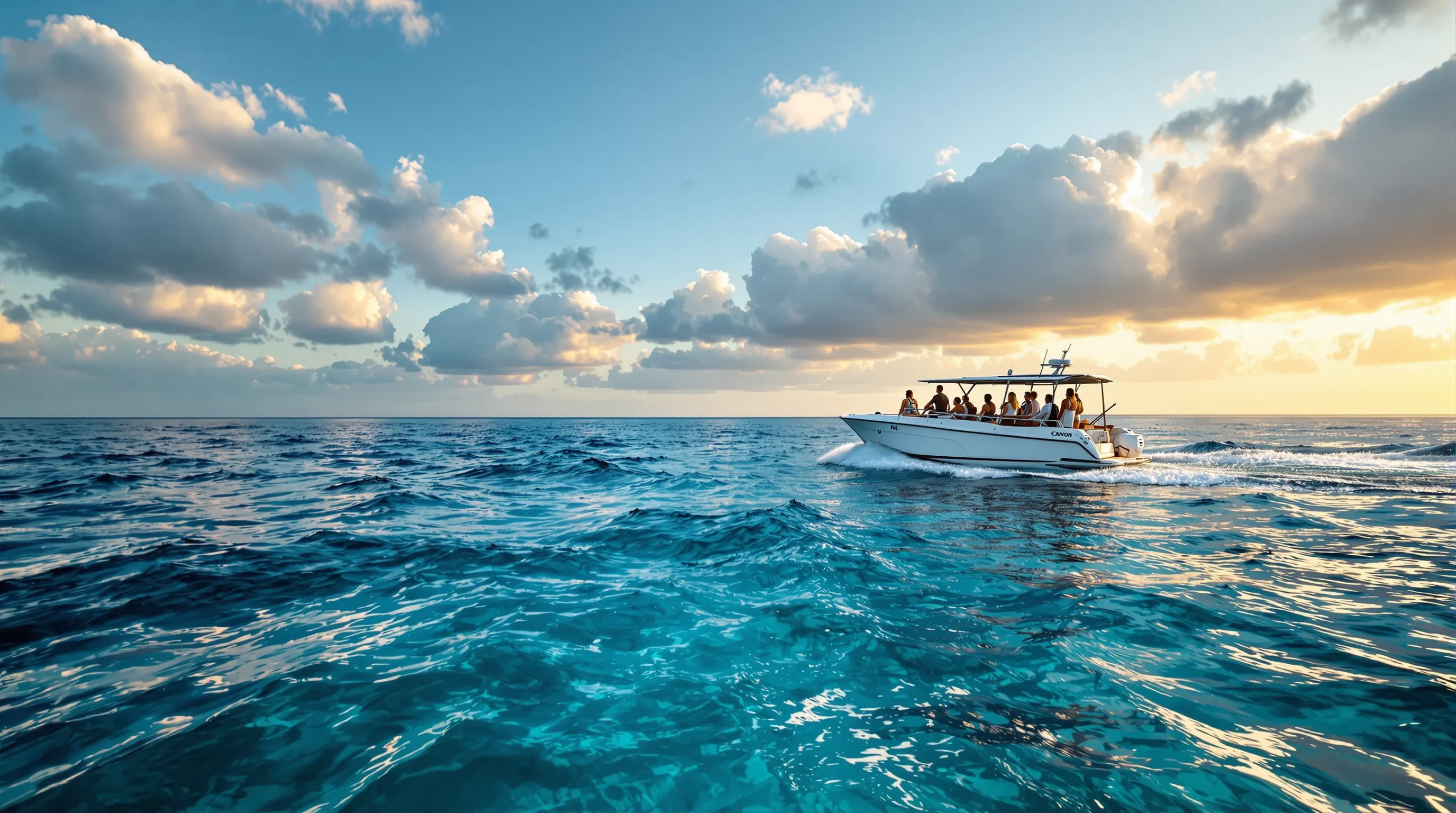
Seasickness on Whale Watching Trips: The Tricks Marina Always Uses at Sea
The first time I set off from Sanary-sur-Mer to spot striped dolphins off the Pelagos Sanctuary, one passenger had gone green before the harbour had even disappeared over the horizon. Seasickness affects nearly a third of people at sea, even in calm conditions, and it often spoils the long-awaited encounter with cetaceans. After dozens of trips between Toulon, Nice and the Bouches-du-Rhône, I've worked out what genuinely helps prevent and manage this sneaky ailment, without turning what should be an intense nature experience into a medical ordeal.
Understanding why seasickness strikes on whale watching trips
Seasickness, or motion sickness, results from a sensory conflict: the inner ear perceives the boat's movement while the eyes, fixed on a stable point such as the horizon or a leaping dolphin, send contradictory information to the brain. On whale watching trips, this risk is heightened because boats often slow down and turn in circles to follow a pod of striped dolphins (Stenella coeruleoalba) or bottlenose dolphins (Tursiops truncatus), with passengers standing up, camera in hand, without a fixed reference point. Off Bonifacio in Corsica or in the Cavalaire channel, the crossed swell typical of the western Mediterranean amplifies this irregular rolling motion, which is harder to anticipate than a regular ocean swell. Fin whale search zones, often located 20-40 km offshore between Toulon and Nice within the Pelagos Sanctuary, also mean a longer transit time in open water, which is prime territory for symptoms to develop. The first signs - yawning, excessive salivation, a feeling of warmth - typically appear 20 to 30 minutes after departure and worsen if ignored.
Factors that heighten the risk at sea
Certain factors clearly increase the likelihood of seasickness: an empty stomach or, conversely, one that's too full before boarding, a sleepless night, alcohol the evening before, or reading, staring at a screen, or fixing your gaze on the boat's interior. Heat, diesel engine fumes at the stern, and anticipatory stress also play a role. Children aged 2 to 12 and those prone to vertigo are statistically more susceptible on trips departing from La Ciotat or Golfe-Juan.
Where to board to limit the risk of seasickness
The choice of departure port directly affects your exposure to swell. From Sanary-sur-Mer or Cassis, boats quickly reach the deep waters of the Pelagos Sanctuary, sometimes with 45 minutes to an hour of sailing before the first dolphin or fin whale sightings. Conversely, departing from Golfe-Juan or Villefranche-sur-Mer, the route towards areas frequented by bottlenose dolphins can stay closer to the coast, in waters generally more sheltered from the north-westerly wind. In Corsica, trips from Bonifacio or Propriano are more exposed to wind and rougher seas in the Strait of Bonifacio, a stretch known to be challenging even for local sailors. The Balearics, particularly around Sóller, often offer more sheltered sailing areas in the morning before the thermal wind picks up in the afternoon.
Favour sheltered time slots and areas
Booking the first trip of the morning, generally between 8am and 10am, helps avoid the thermal wind that strengthens in the afternoon along the Var and Côte d'Azur coasts, particularly the residual mistral or the sea breeze. Reputable operators, such as those affiliated with the Pelagos network or holding the High Quality Whale Watching label, adjust their route according to the day's swell forecast and favour a gradual approach, hugging the coastline before heading out to sea, which reduces the shock of crossed swell in open water.
When to go for calmer seas
The summer season, from June to September, statistically offers the calmest seas in the western Mediterranean, with swell often below 0.5 metres on windless mornings. It's also the season when striped dolphins and bottlenose dolphins are most regularly spotted near the coasts of Provence-Alpes-Côte d'Azur and Corsica. September remains an excellent compromise: the sea is still warm and stable, tourist numbers are dropping, and there's an increased chance of encountering fin whales, which sometimes move closer to shore in late summer to feed. Spring, in April-May, can offer lovely trips but with a higher risk of sudden gusts, particularly the mistral, which quickly whips up a short, choppy sea between Marseille and Toulon. Autumn and winter, outside the tourist season, bring more unpredictable conditions, and many operators reduce their departures. Before booking, checking wind and swell height forecasts 48 hours ahead remains the most reliable approach: beyond 15-20 knots of sustained wind, comfort at sea drops sharply, regardless of the season.
How to prepare in practice before and during the trip
Preparation starts the night before: opt for a light meal, high in carbohydrates and low in fat, avoid alcohol, and get a good night's sleep. On the morning of departure, eat something simple - bread, a banana, plain biscuits - rather than heading out on an empty stomach, which paradoxically makes nausea worse. On board, position yourself in the centre of the boat, near the waterline, where the rolling motion is least noticeable, and fix your gaze on the horizon rather than the nearby water or the cabin interior. Staying out in the open air, avoiding screens and prolonged use of binoculars before the sighting itself helps enormously. As for equipment, acupressure wristbands on the Neiguan point, available from pharmacies, offer welcome non-medicated support, particularly appreciated by families with children. Antihistamine treatments or those based on scopolamine, taken 30 to 60 minutes before boarding as per the instructions, remain effective but should be discussed with a pharmacist, especially for children, pregnant women or those on medication. Expect a trip lasting 3 to 4 hours on average, with no particular fitness level required, though good tolerance to movement is recommended for those who are sensitive.
What helps once symptoms strike
If nausea sets in regardless, lie down if possible, fix your gaze on a point on the horizon, breathe slowly and deeply, and absolutely avoid fighting it by staying cooped up inside. Ginger, whether in capsule form or as a tea brought on board, often settles the stomach. Letting the crew know is essential: experienced sailors know how to reposition a passenger or slightly ease off the speed to reduce discomfort without disrupting the ongoing cetacean sighting.
Practical tips and responsible tourism
The cost of a whale watching trip varies depending on duration, the area covered and the type of vessel - a fast rigid-inflatable or a more stable but slower sailing boat. Expect a mid-to-high price range for a half-day with a labelled operator, a fee often justified by the presence of a naturalist on board, adherence to approach protocols and a contribution to scientific research within the Pelagos Sanctuary. Always book online in advance during high season, particularly for the most sought-after morning slots in Sanary, Nice or Bonifacio. Systematically favour operators holding the High Quality Whale Watching label or belonging to the Pelagos network: they respect the approach distances set out under the ACCOBAMS agreement, meaning a gradual approach, never head-on, with limited observation time and a ban on separating a pod or encircling the animals. These rules protect the rest and feeding patterns of dolphins and whales, which are particularly vulnerable to repeated disturbance in summer. As a passenger, keep relatively quiet during the approach, don't throw anything overboard, and follow the skipper's instructions closely: that, too, is what makes for a successful and respectful encounter with Mediterranean cetaceans.
Frequently asked questions
What medication should I take against seasickness before a whale watching trip?
Scopolamine-based treatments or antihistamines such as cinnarizine are commonly recommended, taken 30 to 60 minutes before boarding. Always ask your pharmacist for advice, especially for children, pregnant women or those on medication. Acupressure wristbands are an effective non-medicated alternative for many sensitive passengers.
How long does a cetacean watching trip last in the Mediterranean?
Expect generally between 3 and 4 hours for a standard trip departing from ports such as Sanary-sur-Mer, Golfe-Juan or Bonifacio, including the round trip and time spent searching for the animals. Some trips dedicated to fin whales further offshore can last a full half-day depending on how far the observation areas are within the Pelagos Sanctuary.
Can seasickness spoil the sighting of dolphins or whales?
Yes, unanticipated seasickness often leaves passengers sitting down with their eyes closed, missing the key moments of the sighting. By preparing in advance with a proper meal, a stable position in the centre of the boat, and your gaze fixed on the horizon, you stay physically and mentally available to fully enjoy the encounter with the cetaceans.
Are there trips better suited to people sensitive to seasickness?
Favour morning trips, which are generally calmer, and areas less exposed to swell, such as certain stretches near Golfe-Juan or Villefranche-sur-Mer. Sailing boats, more stable than fast rigid-inflatables, are often better suited to sensitive passengers, even if the journey to reach the observation areas may be slightly longer.
What should I do if my child gets seasick during the trip?
Sit them in the centre of the boat, encourage them to fix their gaze on the horizon rather than the nearby water, and offer light snacks such as plain biscuits. Acupressure wristbands are well tolerated even by young children. Let the crew know: many operators experienced with whale watching trips know how to reassure children and temporarily adjust the sailing.
Seasickness should never be an inevitability that spoils your encounter with the striped dolphins, bottlenose dolphins or fin whales of the Pelagos Sanctuary. Good preparation, choosing a morning slot, a stable position on board and a few simple steps are often enough to transform the experience. To plan your next responsible, labelled trip suited to your sensitivity, explore our detailed guides by port and by season at dauphin-mediterranee.com.
Read also

Collioure and the Vermilion Coast: what its turquoise waters reveal when snorkelling
Discover Collioure and the Vermilion Coast for swimming and snorkelling: hidden ...

Lionfish and Giant Jellyfish: How Warming Waters Are Changing the Mediterranean
Warming seas and invasive species are transforming the Mediterranean: discover t...

Diving in the Mediterranean with No Experience: What Marina Recommends for True Beginners
Beginner diving in the Mediterranean: easy spots, best season, kit and advice fr...

Cannes and the Lérins Islands: what this under-the-radar marine escape reveals
Discover Cannes and the Lerins Islands: access, best times to visit, marine wild...