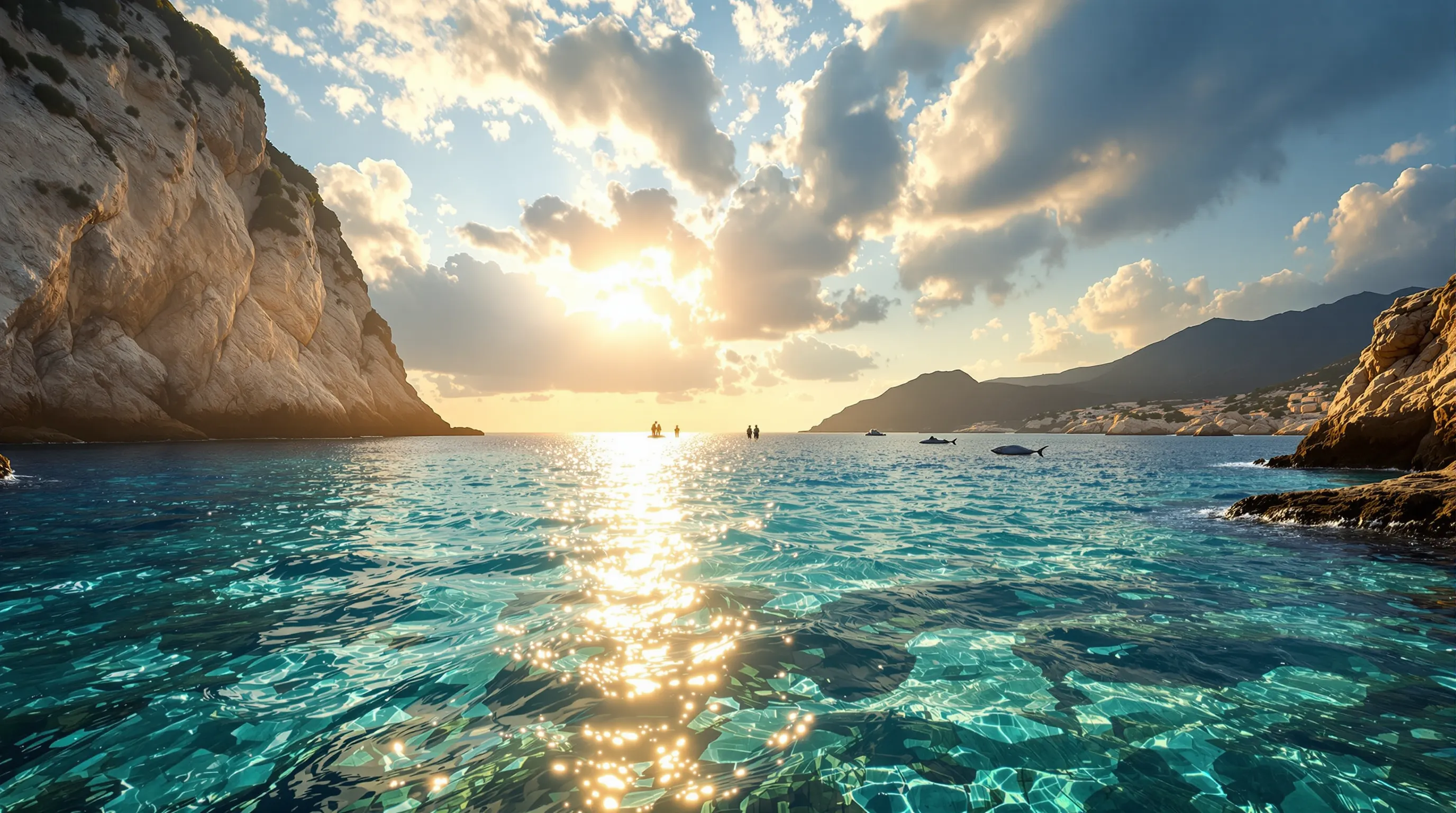
7 Surprising Truths About Mediterranean Sharks Nobody Knows
The Mediterranean is home to 47 shark species, with only 15 exceeding 2 metres in length. Contrary to popular belief, attacks are exceptionally rare: a 0.0001% probability when swimming. Great whites have frequented our waters for millennia, but prefer deep zones. Blue sharks represent 60% of coastal sightings. This scientific reality contrasts sharply with Hollywood fantasies that fuel irrational fear.
Shark Species Present in the Mediterranean
The Mediterranean harbours fascinating species that are often little-known. The basking shark, an 8-metre harmless giant, feeds exclusively on plankton. The thresher shark uses its oversized tail to stun its prey. Angel sharks camouflage perfectly in sandy seabeds. Grey sharks populate the deep waters off Provence and Catalonia. These predators play a crucial ecological role in regulating fish populations. Their presence indicates the good health of Mediterranean marine ecosystems, unlike overexploited oceans elsewhere.
The Mediterranean Great White: Myth or Reality
Great whites have frequented the Mediterranean for 16 million years. Populations concentrate around Sicily, Sardinia and the Strait of Gibraltar. These individuals typically measure 3 to 4 metres, smaller than their Atlantic cousins. They primarily hunt tuna and dolphins in open waters, avoiding swimming areas. The last documented fatal attack in France dates back to 1989.
Actual Risks and Safety Statistics
Statistics reveal a reassuring reality: 3 to 5 incidents per year in the Mediterranean for 300 million swimmers. The probability of attack equals that of being struck by lightning. Accidental bites represent 80% of cases, often related to spearfishing. Sharks sometimes mistake surfers for their natural prey in murky waters. Pollution and overfishing threaten these species far more than the reverse. Scientists record 20 times more sharks killed by humans than humans injured by sharks. This disproportion highlights the urgency of protecting these essential apex predators.
Prime Observation Zones and Periods
Sharks primarily frequent underwater canyons and cold water upwelling zones. The Pelagos Sanctuary between France, Monaco and Italy concentrates 60% of summer observations. Corsican coasts, notably the Scandola Reserve, offer exceptional encounters. The months of July to September correspond to the breeding period of numerous species. Experienced divers can observe hammerhead and blue sharks off Nice and Marseille. These protected areas guarantee preserved ecosystems where biodiversity flourishes naturally.
Best Spots for Respectful Observation
The Cerbère-Banyuls marine reserve shelters catsharks and dogfish. The Hyères Islands allow observation of angel sharks in their natural habitats. Organised trips from Port-Cros guarantee respectful encounters. Certified diving centres offer specialised training to approach these animals without disturbing them, thus contributing to their conservation.
Practical Tips for Peaceful Holidays
Choose supervised beaches where lifeguards know the local fauna. Avoid intensive fishing zones and river mouths after heavy rainfall. Shiny jewellery and brightly coloured clothing may attract curious sharks' attention. Swim in groups and stay close to shore at dawn and dusk. In case of encounter, remain calm and retreat slowly without sudden movements. Observation excursions cost between £35 and £70 depending on the season. Book 48 hours in advance during peak season to guarantee your place on specialised trips.
Frequently asked questions
Are there dangerous sharks in the Mediterranean?
Only 4 Mediterranean species exceed 3 metres: great white, tiger shark, bull shark and hammerhead shark. Attacks remain exceptional with fewer than 5 cases annually for 300 million swimmers. Most naturally avoid busy coastal areas.
When should swimming be avoided due to sharks?
No temporal restrictions are necessary in the Mediterranean. Sharks hunt year-round but prefer deep waters. Simply avoid active fishing zones and murky waters after storms. French beach surveillance imposes no shark-related closures.
Can sharks be observed whilst diving in the Mediterranean?
Yes, numerous centres offer dedicated dives in the Pelagos Sanctuary and around Corsica. Blue sharks and hammerheads frequent pelagic zones accessible to experienced divers. Expect £50-100 for a specialised trip with an experienced guide depending on the region.
Mediterranean sharks deserve respect and protection rather than irrational fear. These fascinating predators testify to the ecological richness of our coasts. To discover other Mediterranean marine wonders such as dolphins, explore our specialised guides on dauphin-mediterranee.com and plan your next aquatic adventures with complete serenity.
Read also
5 truths about Mediterranean sharks that even divers don't know
Discover the truth about Mediterranean sharks: species present, real risks and t...
7 Hidden Beaches on the French Riviera That Even Locals Haven't Discovered
Discover 7 secret beaches on the French Riviera untouched by mass tourism. Wild ...
7 Mediterranean Starfish Secrets That Divers Keep to Themselves
Discover 7 fascinating secrets of Mediterranean starfish and sea urchins. Comple...

What chefs are hiding about the culinary treasures of the Mediterranean coast
Discover the secrets chefs use to elevate Mediterranean coastal cuisine. Techniq...