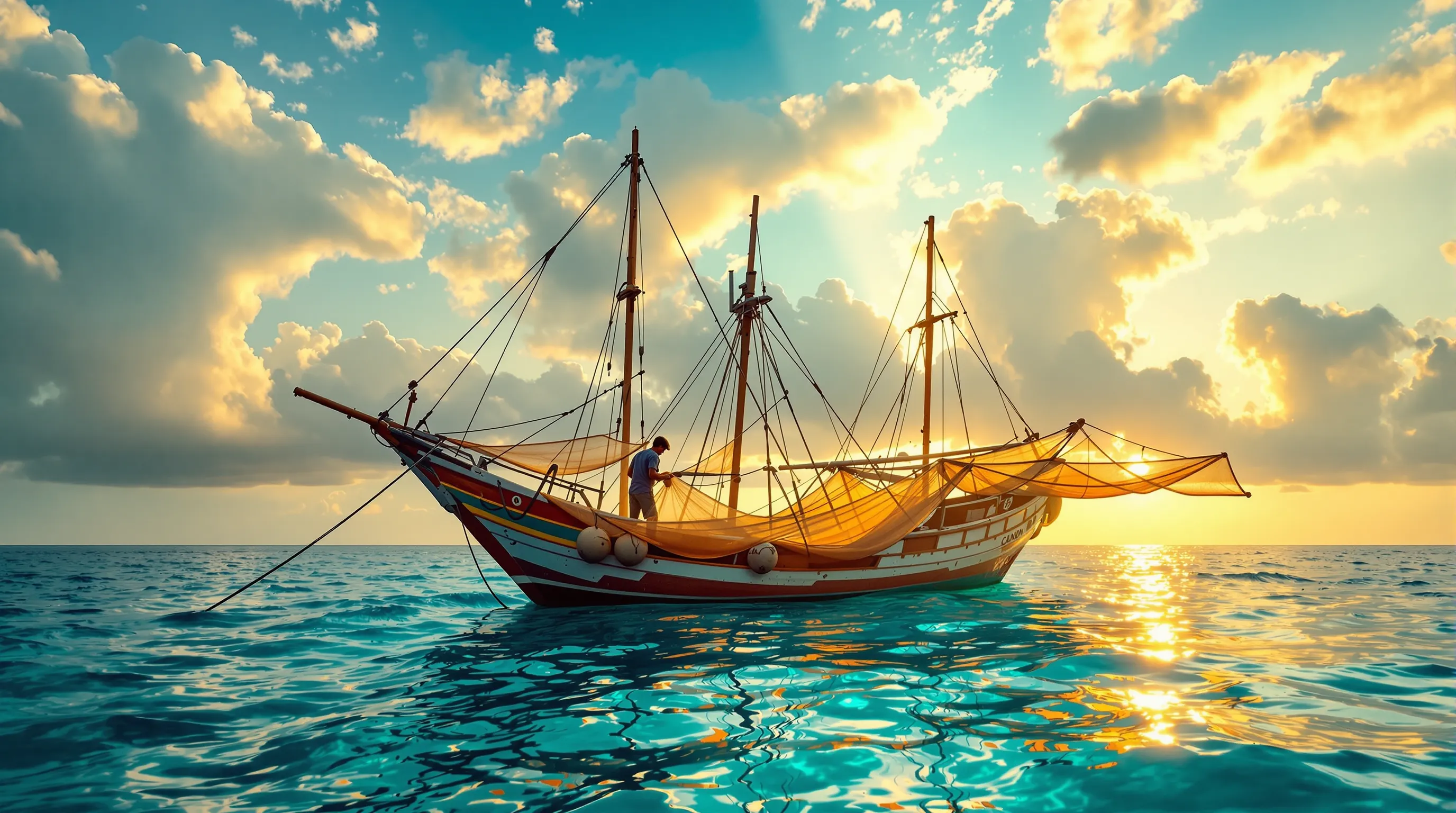
What Mediterranean Fishermen Are Doing to Save Their Fish
The Mediterranean Sea hosts 8% of the world's marine biodiversity within just 1% of the planet's oceans. Yet, 75% of fish stocks there are overexploited. Faced with this ecological emergency, a new generation of Mediterranean fishermen is revolutionising their practices. From the French Riviera to the Greek islands, they're adopting traditional techniques with modern twists and technological innovations to preserve this maritime heritage. This transformation directly impacts coastal tourism, creating new authentic experiences for environmentally conscious visitors.
Revolutionary Selective Fishing Techniques
Mediterranean fishermen are developing groundbreaking methods to reduce bycatch. Square mesh nets, for instance, allow juveniles to escape more easily, increasing their survival rate by 40%. Circle hooks reduce accidental turtle catches by 65%. In Catalonia, LED lighting devices on nets decrease dolphin bycatch by 85%. These technological innovations are complemented by a return to traditional techniques like long-line fishing, practised since ancient times. The results are spectacular: some protected zones see their fish populations increase by 30% in just three years.
Innovation Serving Tradition
Smart GPS systems now enable fishermen to avoid breeding grounds. These systems, coupled with underwater sensors, identify protected species in real-time. This technology, developed by Mediterranean research centres, already equips 60% of professional boats in Provence and is rapidly expanding towards Italy and Spain.
The Economic Impact of Sustainable Fishing
Contrary to common belief, responsible fishing generates higher long-term revenues. In Sardinia, cooperatives practising selective fishing show profits 25% above the regional average. Sustainably caught fish commands 35% higher prices in local markets. This premium attracts high-end tourists willing to pay for authentic, ecological products. Michelin-starred restaurants along the French Riviera source exclusively from these certified fishermen. This creates a virtuous circle: fewer fish caught but better valued, preserved ecosystems, and enhanced tourism appeal.
Marine Protected Areas: Biodiversity Laboratories
The Mediterranean now boasts 1,231 marine protected areas, covering 9.68% of its surface. These marine sanctuaries serve as natural nurseries and restocking zones. Port-Cros National Park, established in 1963, now hosts 180 fish species compared to 120 in the 1980s. Fishing reserves allow species to reach adult sizes: groupers now reach 1.2 metres compared to 60cm twenty years ago. These protected zones also benefit surrounding fishermen through spillover effects: adult fish migrate to fishing areas, increasing catches by 15% within a 2-kilometre radius.
Measurable Biodiversity Results
Scientific monitoring reveals remarkable successes. In the Carry-le-Rouet marine reserve, fish biomass has increased 3.5-fold in fifteen years. The return of emblematic species like brown meagre and gilthead bream testifies to this renaissance. These data encourage extending protected zones to promising new areas.
Practical Tips
To discover Mediterranean sustainable fishing, visit between April and October during peak activity periods. Expect to pay £35-65 for a 4-hour discovery trip with a professional fisherman. Book 2 weeks ahead during high season. Ports in Cassis, Collioure, Portofino, and Cadaqués offer these authentic experiences. Bring sun cream, a hat, and waterproofs. Departures typically occur at dawn (6-7am) for optimal fishing conditions. Some fishermen offer direct sales of their catch, guaranteeing freshness and traceability. These experiences often include onboard tastings and explanations of sustainable techniques employed.
Frequently asked questions
Which fish species can still be caught in the Mediterranean?
Permitted species include sardine, anchovy, mackerel, and certain rock fish like scorpion fish. Quotas vary by season and zone. Responsible fishermen respect minimum sizes: 20cm for sea bream, 25cm for sea bass, 15cm for red mullet. These rules allow fish to reproduce at least once before capture.
How can you recognise a fisherman practising sustainable fishing?
Look for MSC (Marine Stewardship Council) certification or local labels like 'Mediterranean Sustainable Fishing'. Responsible fishermen use selective nets, respect quotas, avoid breeding grounds, and often sell directly. They're transparent about their methods and willingly explain their practices to curious visitors.
Can you join a sustainable fishing trip during your holidays?
Absolutely! Many Mediterranean ports offer discovery trips with certified fishermen. Expect £35-65 for 4 hours, equipment included. These experiences combine traditional fishing, environmental awareness, and tasting. Book in advance, especially in summer. Children are generally welcome from age 8 with mandatory life jackets.
Sustainable fishing in the Mediterranean represents the future of authentic maritime tourism. By choosing these sustainable experiences, you directly contribute to preserving a unique ecosystem whilst discovering age-old traditions with modern adaptations. To organise your discovery of this living heritage during your next stay, explore our environmentally respectful activity suggestions at dauphin-mediterranee.com.