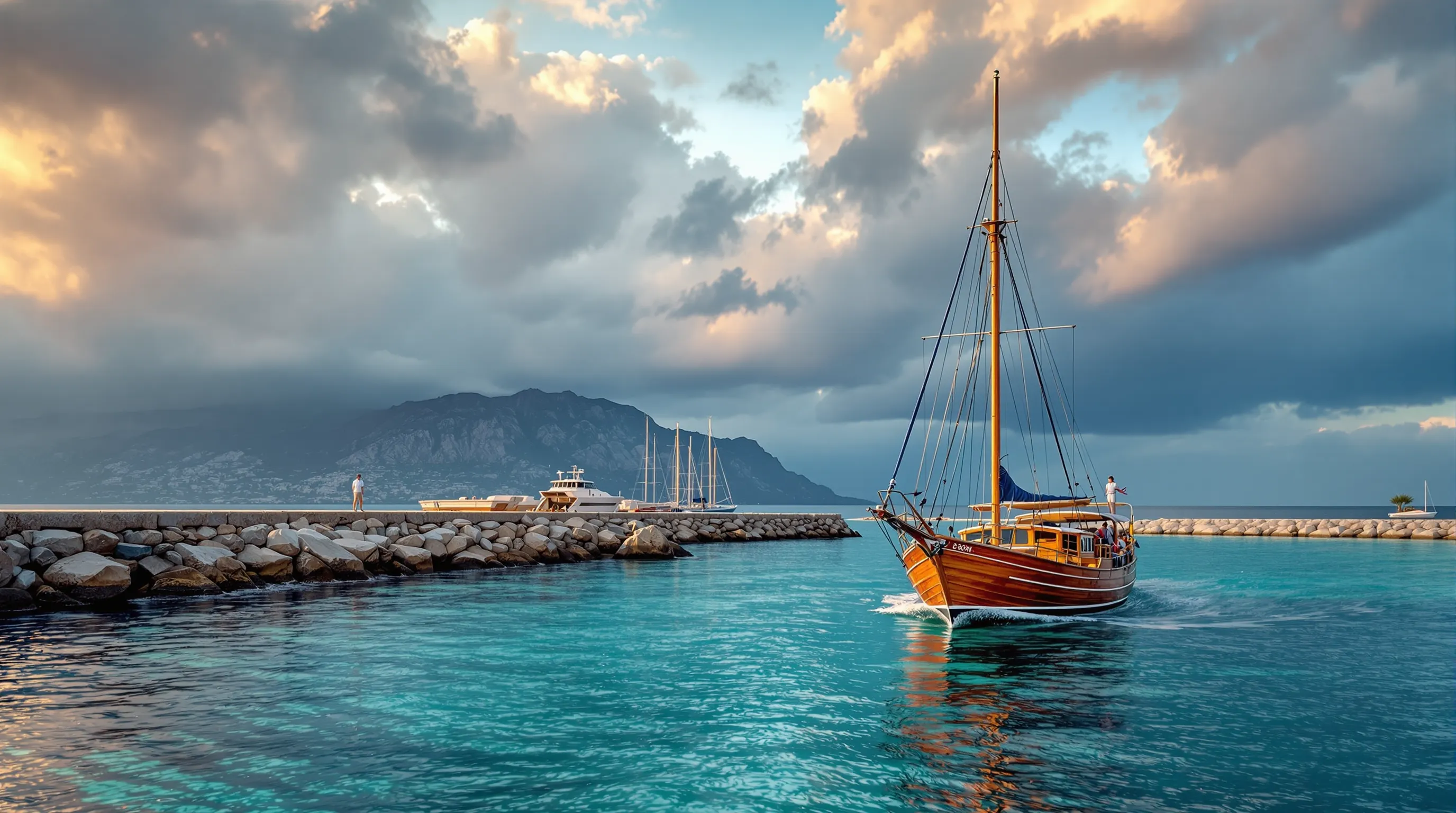
What the Experts Pencil Into Their Nautical Diary Before Summer on the French Riviera
Every year, from mid-April onwards, my phone starts ringing off the hook: skippers from Nice, Antibes and Saint-Tropez all want to know when to schedule their first outings. In fifteen years spent observing Mediterranean dolphins, I've learned one simple thing: the summer nautical calendar isn't just about swimming. Between June and September, the French Riviera is packed with regattas, cetacean-watching trips, maritime festivals and precise weather windows that need careful planning. Here's how I build my own calendar each season, so as not to miss a thing, whether at sea or on the quayside.
What really sets the pace for a Riviera nautical summer
The Riviera's summer calendar revolves around three key moments. First, the big regattas: Les Voiles d'Antibes in June, followed by the Régates Royales de Cannes in late September, which bookend the season. Then there are the dolphin-watching windows, particularly active between July and September off Fréjus and Saint-Raphaël, and within the Pelagos Sanctuary further east towards Nice and Monaco. Finally, there are the sea festivals, usually held in July, which bring together fishermen and boaters in ports such as Cassis or Bandol, at the western edge of the Riviera. I always factor these dates into my field planning, as they directly affect sea traffic and the availability of licensed observation boats. A good calendar also needs to account for the mistral and easterly wind spells, which can scupper a trip booked well in advance. My advice is always to keep two or three days of flexibility around any booking, rather than pinning everything to a single, rigid date.
Regattas, festivals and boat trips: don't mix them up
Regattas bring together hundreds of boats and can overwhelm certain anchorages, particularly around Cap d'Antibes. Maritime festivals, on the other hand, tend to stay concentrated within the harbours and don't affect offshore observation zones. For a dedicated dolphin-watching trip, I'd recommend avoiding major regatta weekends if you're departing from the same port, simply because berth availability drops and sea traffic gets much busier on those days.
Where to set sail depending on what you fancy: ports and precise spots
For dolphin watching, I'd primarily recommend departures from Saint-Raphaël or Fréjus, which give quick access to the feeding grounds of common bottlenose dolphins, with trips run by High Quality Whale Watching-certified operators. Further east, Nice and Villefranche-sur-Mer allow you to reach the edges of the Pelagos Sanctuary, where fin whales and sperm whales are occasionally spotted further out to sea, although these encounters remain rarer and less predictable than coastal dolphin sightings. For sailing and regattas, Antibes and Cannes are where most of the action is concentrated, with well-known racing areas off Cap d'Antibes and Île Sainte-Marguerite. Families looking for a gentler first taste of boating will find small, licence-free boat hire at Golfe-Juan and Cagnes-sur-Mer, ideal for pottering along the coast without venturing into open water. However, I'd steer clear of impromptu outings with unlicensed operators for cetacean watching: approach regulations are strict, and only trained operators know how to follow them without stressing the animals.
Access and harbour logistics
Most Riviera marinas (Saint-Raphaël, Antibes, Nice) have dedicated areas for day trips, with nearby car parks that are often full to bursting in July and August. I'd suggest arriving at least 45 minutes before boarding during peak season, and booking on weekdays where your schedule allows, to avoid the Saturday crowds.
When to go: months, weather and crowds
June and September remain my favourite months for combining good observation conditions with manageable crowds. The sea is already warm, the light is excellent for spotting dorsal fins, and the harbours are far less packed than at the height of summer. July and August statistically offer more trips on offer, but also heavy tourist pressure: crowded boats, packed anchorages, and sometimes reduced underwater visibility near the busiest beaches. The mistral tends to blow more readily in late spring, whilst summer storms mostly strike in the late afternoon, which is why most observation trips set off early in the morning. For dolphins, the months from July to September also correspond to more intense feeding activity, meaning behaviour is often more visible at the surface. I always recommend checking the marine weather forecast 48 hours before departure and staying flexible about the exact date: postponing a trip always beats sailing into choppy seas, both for your comfort and for the quality of the sighting.
How to organise your trip: duration, level, kit
A dolphin-watching trip typically lasts between two and four hours, with no particular fitness requirements: it suits families and complete sailing novices alike. I'd suggest bringing a windbreaker even in high summer, binoculars if you have them, water-resistant sun cream and plenty of drinking water, as the sun at sea tires you out faster than you'd think. For a sailing taster session or watching a regatta as a spectator, allow at least half a day, with a safety briefing always given aboard supervised boats. Paddleboarding or kayaking trips along the Riviera's coves, between Théoule-sur-Mer and the Esterel, require a moderate level of fitness and are best done in the morning, before the thermal wind picks up. In all cases, I'd recommend booking at least one to two weeks ahead during peak season, as places fill up fast with reputable operators, and checking that your chosen outfit clearly demonstrates its commitment to respectful wildlife observation.
Essential kit for a successful trip
Beyond sun cream and a windbreaker, I always bring a camera with a zoom lens rather than just a smartphone, as dolphins keep their distance in line with regulations. Also pack non-slip shoes for the deck, a waterproof bag for your electronics, and, for anyone prone to seasickness, take medication in advance rather than leaving it until the last minute.
Practical tips and responsible tourism
The cost of a summer boat trip varies considerably depending on duration, type of vessel and time of year: a group observation trip is generally cheaper than a private charter, and prices climb noticeably in July and August. Always book directly with operators displaying the High Quality Whale Watching label or an equivalent charter recognised by the Pelagos Sanctuary, a guarantee of guides trained in proper approach practices. ACCOBAMS regulations set minimum approach distances for cetaceans and ban any chasing or forced swimming attempts with the animals: a good skipper will always cut the engine and let the dolphins decide whether or not to approach. I'd also recommend limiting repeated trips to the same resident dolphin pods, which are particularly sensitive to chronic disturbance near the Var and Riviera coastlines. Finally, favour local outfits involved in scientific monitoring programmes: your trip then directly contributes to data collection on Mediterranean bottlenose dolphin populations, a tangible way of combining nautical pleasure with marine conservation.
Frequently asked questions
What's the best time to see dolphins on the French Riviera?
July to September offers the best combination of visible feeding activity and calm seas, though June remains excellent with fewer crowds. Avoid trips in rough seas or strong winds, as visibility and viewing comfort drop sharply regardless of the season chosen.
Do I need to book a summer boat trip well in advance?
Yes, allow at least one to two weeks in July and August, more for weekends or during major regattas such as Les Voiles d'Antibes. Outside peak season, a few days' notice is usually enough, but it's always best to check the weather forecast 48 hours before departure.
Can you swim with dolphins on a guided trip?
No, ACCOBAMS regulations prohibit deliberately entering the water to approach wild cetaceans. Reputable operators keep to minimum distances and let dolphins approach the boat naturally, never forcing interaction or chasing the animals.
Which ports are best for a cetacean-watching trip?
Saint-Raphaël and Fréjus offer quick access to areas frequented by coastal bottlenose dolphins. Nice and Villefranche-sur-Mer allow you to reach the edges of the Pelagos Sanctuary, where other species such as fin whales can occasionally be spotted further out to sea.
How can I identify a responsible whale-watching operator?
Look for the High Quality Whale Watching label or a charter partnered with the Pelagos Sanctuary. A good operator cuts the engine as animals approach, limits observation time, never chases a pod, and often includes an educational element about marine conservation on board.
Building your summer nautical calendar on the French Riviera means learning to juggle regattas, weather windows and the rhythms of marine wildlife. By opting for June or September, choosing certified operators and staying flexible on dates, you'll maximise your chances of a memorable and respectful trip. To fine-tune your planning and book a guided observation trip with committed professionals, find our detailed advice and trusted partners at dauphin-mediterranee.com.
Read also

Fin Whales in the Mediterranean: 7 Secrets of the Giant Few Tourists Know
Discover the fin whale in the Mediterranean: the Pelagos Sanctuary, best times t...

Riviera Cruises: What Marina Observes Every Summer in the Mediterranean Sea
Discover the best cruises along the French Riviera: ports, dolphin-watching spot...

Seasickness on Whale Watching Trips: The Tricks Marina Actually Uses
Seasickness on whale watching trips: advice from a marine biologist to prevent, ...
Scandola in Corsica: What This Reserve Reveals Before You Go by Boat
Visiting the Scandola nature reserve in Corsica: access, best time to go, boatin...